Hongik Univ. Station Exit 1 · 8F · 1:1 Personalized Aesthetic Dermatology
en-US

Ear Filler and Shoulder Filler: Two Uncommon Places
Two filler treatments most clinics do not list. What each is designed around, how the recovery instructions differ, and the risk specific to shoulders.
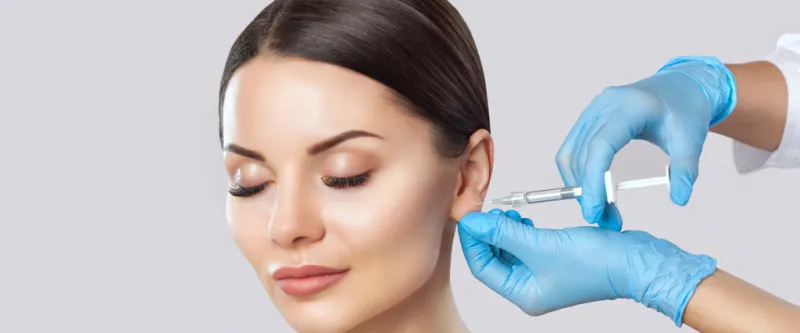
Ear Filler and Shoulder Filler: Two Uncommon Places
Medically reviewed by Dr. Chae-ho Lee, Medical Director, Doctorpetit Clinic Hongdae
Look at most aesthetic clinics' filler menus and you will find the same short list: lips, cheeks, chin, jawline, nasolabial folds.
Doctorpetit Clinic Hongdae lists four filler services, and two of them are not on that list at all. Ear filler and shoulder filler treat regions that most providers never mention — which means most of what is written about fillers does not apply to them, and the parts that differ are exactly the parts a patient needs.
So here they are separately, because they have almost nothing in common except the material.
Ear filler
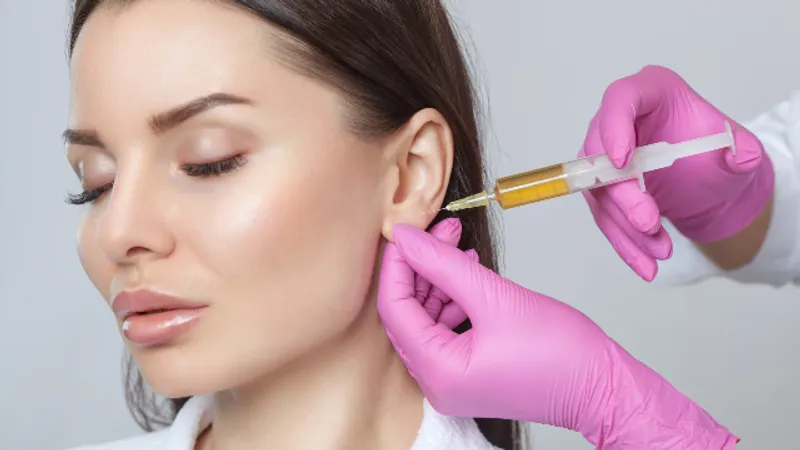
What it is for
The clinic describes ear filler as a hyaluronic acid filler treatment designed to improve the appearance of small, folded, or compressed ears. It adds volume and creates a rounder, more harmonious ear shape.
Three specific descriptions there — small, folded, compressed — rather than a general offer to change ear appearance. If your concern is one of those three, the treatment is aimed at it. If your concern is that your ears protrude, that is a structural question about position rather than volume, and nothing in this clinic's description addresses it.
How it is done
Hyaluronic acid filler is precisely injected into the ear to improve its shape, volume, and contour, with what the clinic describes as point-by-point control for a natural appearance.
That phrase carries the technique. The ear is a small, structured area with cartilage, folds and thin overlying skin — there is no broad surface to fill, only a set of points where volume changes the shape. Placement is the entire treatment.
Comfort: the clinic states that ear filler is performed using numbing cream and local anesthesia. That is more anesthesia than several of its facial services use, and it follows from the area.
Time: approximately 30 to 40 minutes.
What to expect afterward
Immediately: the clinic reports immediate improvement in ear shape and volume, with a rounder, more harmonious appearance.
Then a settling period: the shape settles into a more natural appearance within one to two months. That is a long settle by filler standards, and it means the ear you see on the day is not the final result.
Duration: approximately 6 months to 1 year, varying with the amount of filler used and individual metabolism.
Recovery: approximately 1 to 3 days, with individual variation.
Aftercare, including one instruction you will not find elsewhere
Avoid touching or applying pressure to the area. Avoid extreme heat or heavy exercise for 24 to 48 hours. And: sleep on the opposite side if possible.
That last one is specific, practical, and easy to forget at 2 a.m. An ear spends a third of every day pressed against a pillow, which is a sustained pressure no facial filler site experiences. Plan for it — a travel pillow or a deliberately chosen side is worth more here than good intentions.
Risks
Possible bruising, swelling, tenderness, asymmetry, lumps, or a rare allergic reaction. Very rare risks include infection or vascular complications.
Who should not have it
Individuals who are pregnant or breastfeeding, who have active infections or skin conditions on the ear, who have known allergies to hyaluronic acid fillers, or who hold unrealistic aesthetic expectations. Suitability is determined through an individual consultation based on ear shape, expectations, and medical history.
Preparation
Avoid blood thinners, alcohol, and certain supplements such as fish oil for a few days beforehand to reduce bruising risk — as advised by the clinician, and never by stopping a prescribed medication on your own. MedlinePlus keeps general background on blood thinners and dietary supplements.
Shoulder filler
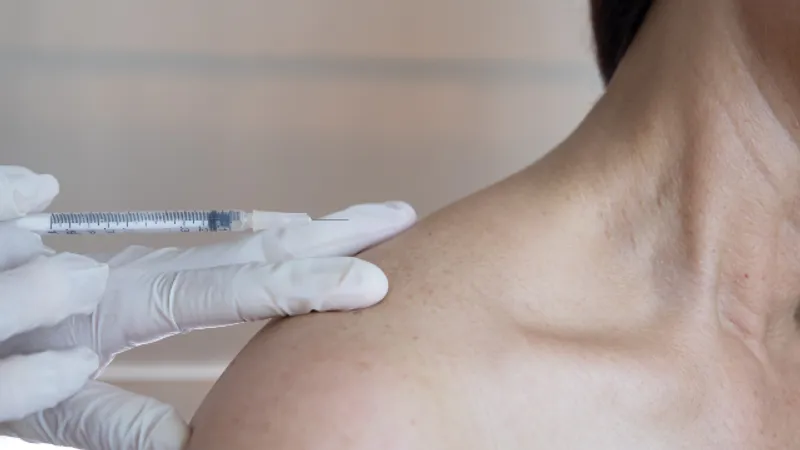
What it is for
A different treatment with a different logic. The clinic describes shoulder filler as injecting hyaluronic acid into points on both shoulders, calculating angles while comparing neck length and collarbone symmetry, adding volume to create a soft, straight shoulder line.
Read that again, because the interesting part is what is being measured. The design is described as customized to neck length, collarbone symmetry, shoulder angles, and the overall upper-body line.
So this is not a treatment of the shoulder in isolation. It is a treatment of a proportion — the relationship between neck, collarbone and shoulder — and the shoulder is where the adjustment happens to be made. That is why the clinic describes injecting into both shoulders as the norm: a proportion is symmetrical or it is not.
What to expect
Immediately visible after treatment, with final settling over one to two weeks — much faster than the ear's one-to-two months.
Duration: roughly 6 to 18 months, depending on product, area and metabolism.
Recovery: the clinic states same-day recovery is possible.
Comfort: topical numbing cream and/or local injection anesthesia.
The risk that belongs to this treatment
Common temporary effects are the expected ones: mild swelling, bruising, tenderness, redness, or temporary firmness at the injection sites.
The rare complications the clinic names include asymmetry, infection, inflammatory nodules, and vascular occlusion if filler accidentally enters a blood vessel.
The clinic names this explicitly here, and it also names vascular-risk anatomy as a reason for extra caution in its exclusions — anatomy best assessed in person, with final screening performed by the treating doctor. Regulatory guidance on the general category is at the U.S. Food and Drug Administration's pages on dermal fillers and filler do's and don'ts.
The practical consequence for a patient is simple: this is a treatment where the in-person assessment is not a formality, and where anything unusual after the injection — particularly pain out of proportion, or skin that changes color — is a same-day medical matter rather than something to message about from another time zone.
Who should not have it
Active skin infection at the injection site, known hyaluronic acid allergy, pregnancy or breastfeeding, or vascular-risk anatomy requiring extra caution. Final screening is performed by the treating doctor.
Aftercare, which is longer than you would guess
This is the part most likely to catch someone out.
Immediately after treatment: avoid pressing or massaging the shoulder area, avoid sleeping on your side, and avoid carrying heavy bags.
For one to two weeks: refrain from strenuous upper-body exercise, saunas, and excessive alcohol.
One to two weeks of no heavy bags and no upper-body training is a real constraint, and for someone traveling it collides with the single most predictable feature of a trip — luggage. If you are having this done in Seoul, the shoulder that carries your bag through the airport is the shoulder that was just treated, on both sides.
Think about where this sits in the itinerary. Last-day treatment and a flight home with a heavy carry-on is the arrangement that most obviously conflicts with the instruction.
Preparation
Discontinue blood thinners, anti-inflammatory drugs, alcohol and aspirin before the session to reduce bruising risk, as advised by the clinician. Tell the doctor about any prior upper-body treatments or injections during your consultation.
Both are hyaluronic acid, which means both have an exit
This is worth stating for treatments in unfamiliar areas, because it is the thing that most reduces the cost of a decision.
Both of these are described as hyaluronic acid filler. The clinic separately offers a filler dissolving injection using hyaluronidase, an enzyme that breaks down hyaluronic acid, for cases where side effects, excessive volume or asymmetry occur after a filler procedure — with absorption described as occurring within several hours to 24-48 hours depending on the amount and type of filler and the enzyme dose.
Two caveats, both the clinic's own. Dissolving is not precise: hyaluronidase can also affect naturally occurring hyaluronic acid in surrounding tissue, so the volume lost can be difficult to predict. And complete or partial dissolution depends on the filler's type, cross-linking, concentration, location and the amount of enzyme used.
So the exit exists, and it is not a clean undo. For a treatment in an area you have never had treated before, that is still worth knowing on the way in rather than on the way out.
What the two have in common
Very little, and that is the point of covering them together.
Both use hyaluronic acid. Both are designed around measurement rather than volume for its own sake — an ear's points, a shoulder's angles. Both are described with immediate visible change followed by a settling period. Both share the general filler considerations: swelling, bruising, the importance of disclosing what you take, and the ordinary rule that anything getting worse rather than better needs attention. Bruises and allergy are the general background.
Everything else differs: the anesthesia, the settle time, the duration, the recovery, and above all the aftercare. An ear asks you to change how you sleep for a night or two. A shoulder asks you to change how you carry things for a fortnight.
If either is on your list, raise it early through the clinic's contact page — these are not treatments every clinic performs, and the assessment for each is specific enough that it is worth confirming before a trip is booked around it. The clinic's about page shows them alongside its other filler services.
The Bottom Line
Ear filler is described for small, folded or compressed ears, adding volume for a rounder shape, using numbing cream and local anesthesia, in a 30-to-40-minute appointment.
Ear results are immediate but settle over one to two months and last roughly 6 months to 1 year; aftercare includes sleeping on the opposite side.
Shoulder filler is designed around neck length, collarbone symmetry and shoulder angles, injected into points on both shoulders for a straighter shoulder line.
Shoulder results are immediately visible, settle over one to two weeks and last roughly 6 to 18 months, with same-day recovery.
Shoulder aftercare is the longer constraint: no heavy bags or side-sleeping immediately, and no strenuous upper-body exercise, saunas or excessive alcohol for one to two weeks.
Frequently Asked Questions
What is ear filler for?
The clinic describes it for small, folded or compressed ears, adding volume to create a rounder, more harmonious ear shape.
How long does ear filler last?
Approximately 6 months to 1 year, varying with the amount of filler used and individual metabolism, with the shape settling into a natural appearance within one to two months.
What does shoulder filler actually change?
The clinic describes calculating shoulder angles while comparing neck length and collarbone symmetry, then injecting into points on both shoulders to create a soft, straight shoulder line.
How soon do shoulder results show?
Immediately after treatment, with final settling over one to two weeks and longevity of roughly 6 to 18 months depending on product, area and metabolism.
What is the main risk of shoulder filler?
Alongside the usual temporary swelling and bruising, the clinic names rare complications including asymmetry, infection, inflammatory nodules, and vascular occlusion if filler enters a blood vessel.
Can I carry a bag after shoulder filler?
Not immediately. The clinic advises avoiding heavy bags and side-sleeping right after treatment, and avoiding strenuous upper-body exercise, saunas and excessive alcohol for one to two weeks.
Who is not suitable for these treatments?
For the ear: pregnancy or breastfeeding, active infection or skin conditions on the ear, hyaluronic acid allergy, or unrealistic expectations. For the shoulder: active infection at the site, hyaluronic acid allergy, pregnancy or breastfeeding, or vascular-risk anatomy.
This article is for general informational purposes and does not constitute individualized medical advice. It is not a self-diagnosis tool. Whether either treatment suits your anatomy can only be determined through a consultation with a qualified dermatologist or other appropriately qualified clinician who has examined you in person.
Academic & Clinical Sources
- U.S. Food and Drug Administration — Dermal Fillers (Soft Tissue Fillers)
- U.S. Food and Drug Administration — Dermal Filler Do's and Don'ts
- MedlinePlus — Blood Thinners
- MedlinePlus — Dietary Supplements
- MedlinePlus — Bruises
- MedlinePlus — Allergy
- MedlinePlus — Infection Control
Ready for Your Personalized Aesthetic Consultation in Hongdae?
Located right at Hongik Univ. Station Exit 1 (8F, 151 Yanghwa-ro, Mapo-gu). Multilingual coordinators for English, Traditional Chinese, and Simplified Chinese patients.