Hongik Univ. Station Exit 1 · 8F · 1:1 Personalized Aesthetic Dermatology
en-US

Skin Boosters and Biostimulators: Quality, Not Shape
Injectables that change how skin behaves rather than how a face is shaped. What the two categories do differently, and the timeline that decides it all.
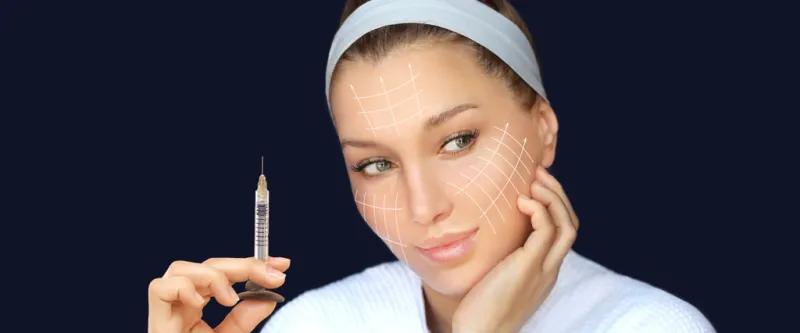
Skin Boosters and Biostimulators: Quality, Not Shape
Medically reviewed by Dr. Chae-ho Lee, Medical Director, Doctorpetit Clinic Hongdae
Most injectable treatments people know about change the shape of a face. Filler adds volume where there is too little. Botulinum toxin reduces movement where there is too much.
Skin boosters do neither. Doctorpetit Clinic Hongdae's own definition draws the line explicitly: these are injectable treatments designed to improve skin quality rather than significantly change facial shape.
That single distinction sorts most of the confusion around this category, and it is where anyone considering them should start.
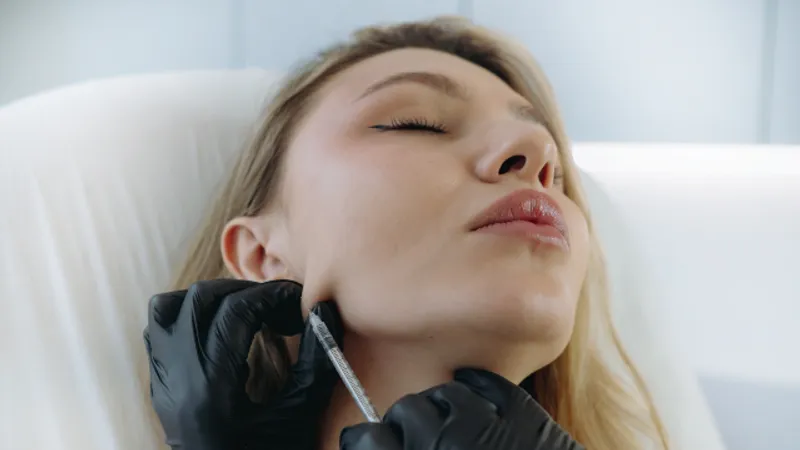
Two things under one heading
The clinic files skin boosters and biostimulators together, and they are not identical.
Skin boosters generally focus on improving hydration, smoothness, elasticity and overall skin texture. They put something into the skin that the skin then uses.
Biostimulators work by prompting the skin's own processes, with the clinic noting gradual collagen-related improvement among the potential benefits of appropriate products in this group.
The practical difference is where the result comes from. One supplies; the other provokes. That has consequences for how quickly anything shows and how long it persists, which is why the clinic's timeline section separates the two.
Rejuran, as the clinic describes it
One product in this category has a specific entry worth quoting because patients ask about it by name.
The clinic describes Rejuran as a skin-regeneration injection containing PN (polynucleotide) derived from salmon DNA. It states that it helps support skin self-repair, strengthen elasticity, reduce wrinkles and improve skin texture, and that it can be applied to areas including the forehead, eye area and cheeks.
The salmon-DNA description startles people and it is the accurate one. Polynucleotides are fragments of nucleic acid, and the intent is not to introduce genetic material but to place a substance the skin responds to by repairing.
Its candidacy mirrors the category: people with fine lines, reduced elasticity, dryness, uneven texture or general skin-quality concerns.
Who the category is described for
The clinic's candidate statement names a specific combination, and one clause in it is doing more work than the rest.
Adults with concerns such as dryness, reduced elasticity, fine lines, uneven texture or early skin aging — who have realistic expectations about gradual improvement.
That last clause is not a disclaimer. It is a candidacy criterion. This is a category where the treatment is appropriate and the patient is not, when the patient wants a visible change next week. The clinic states suitability depends on overall health, skin condition, treatment goals and the specific injectable.
Who it is not for
Treatment may be unsuitable or need postponing for people with certain allergies or sensitivities to product ingredients, active skin infections or inflammation at the treatment site, uncontrolled medical conditions, or other conditions identified at assessment.
For Rejuran specifically the clinic names active skin infections, significant inflammation at the site, known allergies to the ingredients, and certain medical conditions.
Allergy is the item to raise yourself. These products differ in what they contain, and a previous reaction to one injectable is information about the next.
What the appointment involves
Five steps, and the first is the one that determines the rest.
Consultation — the doctor assesses skin condition and treatment goals. Preparation — the skin is cleansed and injection points marked. Numbing — topical anesthetic cream may be applied for comfort; the clinic notes most injectables in this category use topical numbing or local anesthetic. Injection — the product is placed into the targeted areas. Aftercare instructions.
The session itself runs approximately 30 to 60 minutes depending on the areas and plan, as an outpatient procedure. The number of sessions varies by product and individual need.
The timeline, which is the whole story
This is the section to read twice, because every misjudged expectation in this category is a misreading of it.
The clinic gives the recovery curve in stages:
Days 0 to 2. Mild redness, swelling, tenderness or bruising may occur.
Days 3 to 7. Most temporary injection-related effects generally improve.
Following weeks. Skin-quality improvements may become more noticeable, depending on the product.
Longer term. Biostimulator effects continue developing.
And separately: gradual improvement over 2 to 4 weeks per session.
Per session. That phrase is the one that matters for planning. This is a category where the unit of progress is a session and the unit of visible change is weeks — which means a single appointment is a step rather than a treatment.
Where they sit against filler and toxin
The clearest way to place this category is against the two injectables people already understand, because all three are needles and that is where the confusion starts.
Filler occupies space. It is placed to add volume where volume is missing, and the result is visible immediately because the material is doing the work.
Botulinum toxin reduces movement. It is placed into muscle, the effect arrives over days, and what changes is how the face moves.
Skin boosters and biostimulators change the material properties of the skin itself - hydration, texture, elasticity. Nothing is filled and no movement changes. What changes is the quality of the surface, over weeks.
That is why a person unhappy with a fold will not be satisfied by a booster, and a person unhappy with dull or dehydrated skin will not be satisfied by filler. They are not competing options; they address different complaints.
The clinic offers all three categories, which means a consultation can route between them. A recommendation that explains why this category rather than another is a recommendation someone actually made.
What a course looks like in practice
The clinic states the number of sessions varies by product and individual need, and describes improvement as gradual over 2 to 4 weeks per session. Putting those together gives a realistic shape.
A first session produces the injection-related effects in days 0 to 2 - redness, swelling, tenderness, possible bruising or small bumps - which settle across days 3 to 7. Then improvement accrues over the following weeks.
A second session builds on skin that has already changed slightly. With biostimulators the clinic notes effects continuing to develop longer term, which means later sessions are added to an ongoing process rather than starting fresh.
The practical consequence is that judging the whole plan after one session judges it at its least representative point. If you are going to assess whether this category is working for you, assess it after the course rather than after the first appointment.
What can go wrong
The clinic's list is short and its second half is the part worth attention.
Temporary redness, swelling, tenderness, bruising, itching or small bumps can occur after injection. Less common but more serious complications can occur depending on the product and injection technique, and the clinic states patients should seek medical attention for severe or worsening symptoms.
Depending on product and technique is an honest phrase. These are injections into skin, delivered by a person, and both variables are real. It is also why a category described as low-risk still carries an instruction about when to seek help.
Before and after
Preparation is brief: follow the clinic's instructions, disclose medications and allergies, and avoid alcohol or blood-thinning medicines if advised by the doctor.
Aftercare is more specific than people expect. The clinic's instructions cover cleansing, skincare, exercise, heat exposure, alcohol and makeup; avoid manipulating or massaging treated areas unless specifically instructed; and attend any recommended follow-up.
Heat exposure is the one that catches travelers. A Korean trip and a jjimjilbang are natural companions, and a course of injectables and a hot room in the same week are not.
The international patient problem
The clinic's aftercare guidance explicitly contemplates patients returning home, and the arithmetic is worth doing before you book.
Improvement runs 2 to 4 weeks per session. Courses run multiple sessions. A trip runs days. Those three facts do not fit together, and the ways to resolve them are limited: complete what can be completed during the stay and accept that the result arrives after you leave, plan a return, or continue an equivalent course at home.
Whichever it is, decide it before the first injection rather than after. Send your dates with your history through the clinic's contact page so the plan is built around them.
Judge it at the right scale
The reason this category disappoints people is almost never the product. It is the scale at which they judged it.
Skin boosters and biostimulators change how skin behaves — hydration, texture, elasticity, the quality of the surface. They do not change the shape of a face, and the clinic says so in its first sentence about them. Someone hoping for contour will not find it here, and someone hoping to see it on the way home will not find it there either.
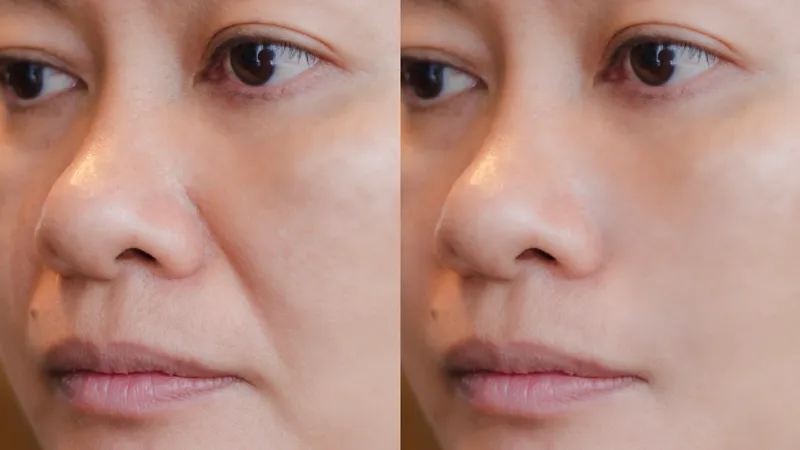
Held at the right scale — gradual, per session, measured in weeks, aimed at quality — it is a coherent treatment with a clear purpose. Other patients' results are in the clinic's before-and-after gallery, and they are worth looking at specifically for how subtle the changes are.
The Bottom Line
The clinic defines skin boosters and biostimulators as injectables to improve skin quality rather than significantly change facial shape.
Skin boosters focus on hydration, smoothness, elasticity and texture; biostimulators prompt the skin's own processes, with gradual collagen-related improvement noted for appropriate products.
Rejuran is described as a skin-regeneration injection containing PN derived from salmon DNA, applied to areas including the forehead, eye area and cheeks.
The clinic states gradual improvement over 2 to 4 weeks per session, with the number of sessions varying by product and individual need.
Candidacy explicitly includes having realistic expectations about gradual improvement; exclusions include ingredient allergies, active infection or inflammation at the site, and uncontrolled medical conditions.
Frequently Asked Questions
What is a skin booster?
An injectable treatment aimed at skin quality rather than facial shape. The clinic describes the category as focused on hydration, smoothness, elasticity and overall texture.
How is a biostimulator different?
Biostimulators prompt the skin's own processes rather than supplying something directly. The clinic notes gradual collagen-related improvement among the potential benefits of appropriate products.
What is Rejuran?
The clinic describes it as a skin-regeneration injection containing PN, a polynucleotide derived from salmon DNA, supporting skin self-repair, elasticity, wrinkle reduction and texture.
How quickly will I see a difference?
The clinic states gradual improvement over 2 to 4 weeks per session, with biostimulator effects continuing to develop longer term.
How long is an appointment?
Approximately 30 to 60 minutes depending on the areas and the treatment plan, as an outpatient procedure.
What are the risks?
Temporary redness, swelling, tenderness, bruising, itching or small bumps. The clinic notes less common but more serious complications are possible depending on product and technique.
What should I avoid afterward?
Follow the clinic's instructions on cleansing, skincare, exercise, heat exposure, alcohol and makeup, and avoid manipulating or massaging the treated areas unless told otherwise.
This article is for general informational purposes and does not constitute individualized medical advice. It is not a self-diagnosis tool. Which injectable, if any, suits your skin can only be determined through a consultation with a qualified dermatologist or other appropriately qualified clinician who has examined you in person.
Academic & Clinical Sources
- MedlinePlus — Skin Aging
- MedlinePlus — Skin Conditions
- MedlinePlus — Allergy
- MedlinePlus — Blood Thinners
- MedlinePlus — Infection Control
- U.S. Food and Drug Administration — Dermal Fillers (Soft Tissue Fillers)
- U.S. Food and Drug Administration — Dermal Filler Do's and Don'ts
Ready for Your Personalized Aesthetic Consultation in Hongdae?
Located right at Hongik Univ. Station Exit 1 (8F, 151 Yanghwa-ro, Mapo-gu). Multilingual coordinators for English, Traditional Chinese, and Simplified Chinese patients.