Hongik Univ. Station Exit 1 · 8F · 1:1 Personalized Aesthetic Dermatology
en-US

Anti-Inflammatory Injection
Anti-inflammatory injection in Seoul for localized swelling, inflamed acne, and red scars, performed by Dr. Chae-ho Lee at Doctorpetit Clinic Hongdae.
Personalized Consultation & Custom Quote

Anti-Inflammatory Injection in Seoul

Medically reviewed by Dr. Chae-ho Lee, Medical Director, Doctorpetit Clinic Hongdae; Member, Korean Society of Clinical Aesthetic Medicine
Doctor profile · Doctorpetit Clinic Hongdae, Seoul
An anti-inflammatory injection in Seoul, as offered at Doctorpetit Clinic Hongdae, is a small, targeted injection given into one inflamed spot to calm the reaction there. The clinic uses it for localized problems such as an angry acne lesion, a flare of skin trouble, a red scar or keloid, or a swollen, painful area. The aim is quick relief of the swelling and discomfort so the tissue can begin to recover.
What Is Anti-Inflammatory Injection?
An Anti-Inflammatory Injection is a treatment in which anti-inflammatory components are injected directly into a localized area to settle the inflammatory response at that site. The clinic describes it as helping to relieve pain, reduce swelling, and support tissue recovery.
- Local, not general. The injection is placed into the affected spot itself, so the treatment is aimed at that area rather than the whole body.
- Calms the reaction. The components are intended to dampen the inflammatory response that causes redness, swelling, heat, and tenderness.
- Eases discomfort. As inflammation settles, the clinic states that pain and swelling may lessen.
- Supports recovery. The clinic describes the treatment as helping inflamed tissue move toward healing.
- Adjusted to the problem. The injection site, depth, and amount are adapted to where the inflammation is and how severe it is.
Why the cause matters first
Inflammation is a response, not a diagnosis. A swollen spot might be an inflamed acne lesion, an irritated scar, or something that needs a different kind of care entirely. For that reason, the doctor looks at the affected area, asks about your symptoms and history, and works out the likely cause and severity before deciding whether an injection is the right choice.
This approach mirrors general dermatology practice. For acne in particular, health care providers diagnose the condition by examining the skin to identify the type of lesion, and treatment aims to heal existing lesions, stop new ones forming, and prevent scarring, according to the NIAMS guide to acne diagnosis and treatment. An injection into a single inflamed spot is one tool within that wider picture, not a replacement for a long-term acne plan.
Who Performs Anti-Inflammatory Injection at Doctorpetit Clinic Hongdae

Dr. Chae-ho Lee
Medical Director at Doctorpetit Clinic Hongdae
Anti-inflammatory injections at the clinic are given by Dr. Chae-ho Lee, the Medical Director and the only physician who treats patients there. This treatment area is offered as a clinic service led by the Medical Director rather than as one of Dr. Lee's stated core specializations. He examines the inflamed area, asks what has been happening and for how long, and judges whether an injection is appropriate or whether another treatment would serve you better. When an injection is chosen, he sets the site, depth, and amount according to the location and severity of the inflammation. Consultations are held one to one, and English interpretation is available.
Who Is a Good Candidate for Anti-Inflammatory Injection?
Candidacy is confirmed only after the area has been examined. People who may be suitable include those with:
- An inflamed acne lesion that is swollen or painful.
- A localized flare of skin trouble with redness or swelling.
- A keloid or red scar that is inflamed.
- A localized area of swelling or pain linked to inflammation.
- A wish to calm a specific inflamed spot quickly while other care continues.
The injection may not be appropriate, or may need to wait, for people with:
- An allergy or contraindication to any of the injection components.
- An active infection at the planned treatment site.
- A medical condition that makes an injection unsuitable.
- Pregnancy or breastfeeding, which should be raised with the doctor before treatment.
The final decision is made by the doctor during your consultation.
What to Expect: Procedure, Recovery, and Results Timeline
Getting ready
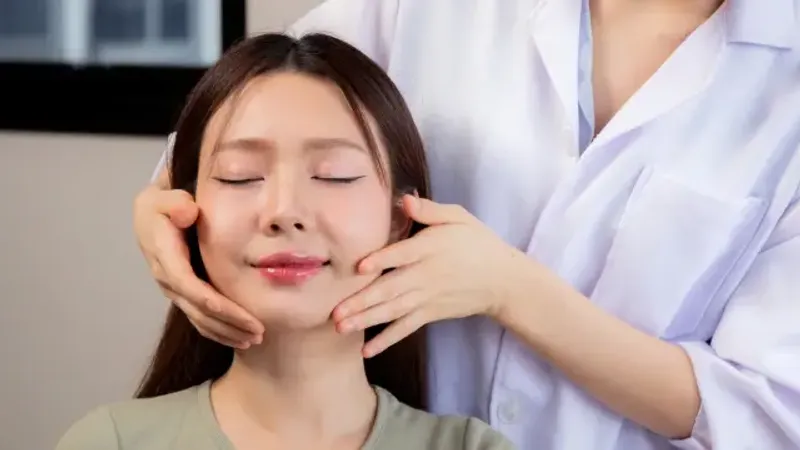
Tell the doctor which medicines and supplements you take. Mention any allergies. Describe earlier reactions to injections. Share relevant medical conditions. Explain the problem you want treated and how long it has been present. Keep the treatment area clean before the appointment. Do not stop or change a prescribed medicine on your own. Point out any medication or supplement that could affect bruising.
Step by step
- Health screening and consultation. The doctor examines the area and reviews your symptoms and history.
- Decision. He identifies the cause and severity of the inflammation and confirms whether an injection suits you.
- Site preparation. The injection site is cleaned and prepared.
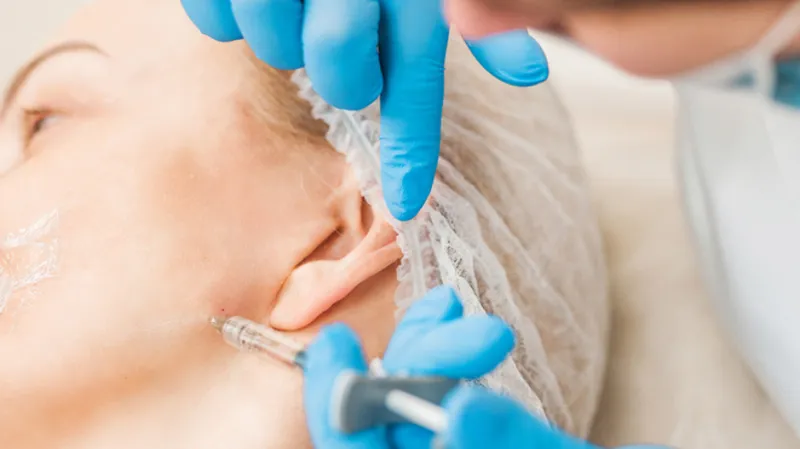
- Injection. A small amount is injected into the localized area, with site, depth, and amount adjusted to the inflammation.
- Monitoring. You are observed during treatment.
- Guidance. You receive aftercare instructions, and for keloids a follow-up session is scheduled.
Standard injection equipment is used, such as sterile syringes and fine needles. Depending on the area, topical or local numbing may be considered. The injection itself may cause brief pinching, stinging, or discomfort. General anesthesia would not ordinarily be expected for an injection like this.
Recovery and results timeline
| When | What may happen |
|---|---|
| During the visit | A brief sting or pinch as the injection is given; the procedure itself is short. |
| First few hours | Mild redness, tenderness, or swelling at the injection site can appear. |
| A few hours to several days | Results may begin to show as the inflammation and swelling settle. |
| Following days | Injection-site redness or tenderness generally improves as the area recovers. |
| Longer term | Full improvement can take longer as inflammation subsides gradually; the final appearance depends on the underlying problem. |
Aftercare
Follow the instructions the clinic gives you. Avoid touching or irritating the treated spot. Keep the area clean. Watch for swelling, pain, or redness that is unusual or does not go away, and contact the clinic if it happens.
Visit length and travel
The injection is generally a brief outpatient procedure. Total time depends on how many areas are treated and on the consultation. An overnight stay is not normally expected. Follow-up visits may be suggested depending on how you respond, and keloid treatment usually involves a scheduled return. Because reactions vary, check the timing of your flight with the doctor, especially if you notice marked swelling.
Combining Anti-Inflammatory Injection with Other Treatments
The clinic states that, depending on the condition, this injection may be combined with other treatments aimed at acne, scars, skin inflammation, or tissue recovery. Any combination is decided by the doctor after examination.
Depending on the diagnosis, the clinic also lists alternatives that may be considered instead:
- Topical medications.
- Oral medications.
- Laser or light-based treatments.
- Scar treatments.
- Other anti-inflammatory approaches.
The right choice depends on what is causing the inflammation.
Safety, Precision, and Clinic Standards
- Since January 2023, Korea's Ministry of Health and Welfare has recognized Doctorpetit Clinic Hongdae as a registered institution for patients travelling from overseas.
- Every injection is preceded by a one-to-one examination by the Medical Director.
- Site, depth, and amount are adjusted to the location and severity of the inflammation.
- Sterile syringes and fine needles are generally used.
- The clinic states that it uses genuine products at the indicated dosage.
Known risks
Temporary redness, tenderness, swelling, bruising, or irritation can occur at the injection site. Allergic reactions or reactions specific to the medication are possible. The precise risks depend on the anti-inflammatory medication used, the treatment location, the dose, and your medical history. Seek medical attention for severe or unusual symptoms.
Severe allergic reactions are uncommon but need fast action. Anaphylaxis can begin within minutes, medications are one of its commonest triggers, and warning signs include hives, throat tightness, shortness of breath, and a weak pulse, according to MedlinePlus.
Any injection also depends on clean technique. Needles and syringes should be used once and discarded, because reuse can transmit infections such as hepatitis, as the CDC notes in its patient guidance.
Evidence and limits
This page describes the treatment in the clinic's own terms and does not cite journal evidence on how well it works. Results depend on the underlying condition, and the injection treats a local flare rather than the cause behind repeated flares.
The Bottom Line
- The Anti-Inflammatory Injection places anti-inflammatory components into one localized area to calm swelling, pain, and redness.
- The clinic uses it for inflamed acne, skin troubles, keloids, red scars, and localized swelling or pain.
- The area is examined first, because the cause of the inflammation decides whether an injection is appropriate.
- Effects may begin within hours to several days, while full settling can take longer.
- Dr. Chae-ho Lee performs the injection, adjusting site, depth, and amount to each case.
Frequently Asked Questions
What conditions is this injection used for?
The clinic uses it for localized inflammation, including inflamed acne, skin troubles, keloids, and red scars. It is intended to calm swelling or pain linked to that inflammation. Whether it suits your problem is decided at examination.
How soon will I notice a difference?
Results may start to show within a few hours to several days, depending on the condition and how you respond. Complete improvement can take longer as the inflammation gradually subsides.
Does the injection hurt?
You may feel a brief pinch, sting, or discomfort as the needle goes in. Depending on the area, topical or local numbing may be considered. The sensation usually passes quickly.
Will this stop my acne from coming back?
No single injection addresses the reasons acne keeps recurring. It is meant to calm a specific inflamed spot. Longer-term acne care may involve other treatments, which the doctor can discuss with you.
Do I need to stay in Seoul overnight?
An overnight stay is not normally expected for a straightforward outpatient injection. If follow-up visits are recommended, such as for keloids, plan them with the clinic around your travel dates.
What exactly is in the injection?
The components are chosen by the doctor according to the condition being treated, its location, and its severity. Because the precise risks depend on the medication, the dose, and your history, ask Dr. Lee to name what he plans to use and explain why before you agree to treatment.
Should I stop my regular medicines before the injection?
Do not stop or change prescribed medicines without medical advice. Instead, tell the clinic about everything you take, especially anything that could increase bruising.
Book a Consultation at Doctorpetit Clinic Hongdae
If an inflamed spot, a sore red scar, or localized swelling is bothering you, an anti-inflammatory injection in Seoul starts with Dr. Chae-ho Lee examining the area and explaining whether an injection or another option is the better fit. English interpretation is available if you need it. The clinic is located on the Wookdo Building's eighth floor at 151 Yanghwa-ro, Mapo-gu, just outside Exit 1 of Hongik University Station. Contact the clinic to book, or look at before-and-after photos as you decide.
Disclaimer
Treatment suitability, expected results, recovery time, risks, and potential side effects vary by individual. The information provided is for general informational purposes and does not replace an in-person medical consultation. Patients should discuss their medical history, treatment goals, and individual circumstances with a qualified medical professional before undergoing treatment.
Sources & Further Reading
Ready for Your Personalized Aesthetic Consultation in Hongdae?
Located right at Hongik Univ. Station Exit 1 (8F, 151 Yanghwa-ro, Mapo-gu). Multilingual coordinators for English, Traditional Chinese, and Simplified Chinese patients.