Hongik Univ. Station Exit 1 · 8F · 1:1 Personalized Aesthetic Dermatology
en-US

Chemical & Hydrating Peels (Aqua / LHALA / Black / Aladdin Peel)
Chemical and hydrating peels in Seoul, including Aqua and LHALA Peel, for clogged pores, oil and texture, by Dr. Chae-ho Lee at Doctorpetit Clinic Hongdae.
Personalized Consultation & Custom Quote
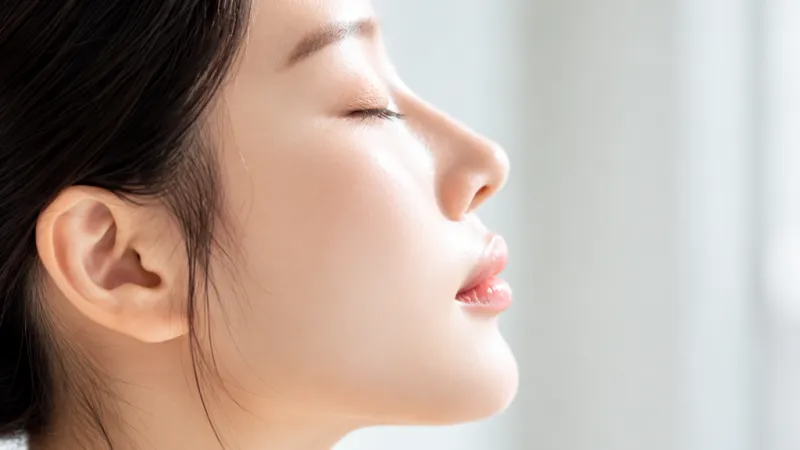
Chemical & Hydrating Peels in Seoul
Medically reviewed by Dr. Chae-ho Lee, Medical Director, Doctorpetit Clinic Hongdae; Member, Korean Society of Clinical Aesthetic Medicine
Doctor profile · Doctorpetit Clinic Hongdae, Seoul
Chemical and hydrating peels are non-surgical skin treatments that use a controlled exfoliating solution to lift away dead surface skin, with some versions adding a hydration step. At Doctorpetit Clinic Hongdae, the chemical peel options in Seoul are Aqua Peel, LHALA Peel, Black Peel, and Aladdin Peel. They are used for clogged pores, whiteheads, blackheads, excess oil, rough texture, and dullness, usually as a course of sessions one to two weeks apart.
What Is a Chemical or Hydrating Peel?
A chemical or hydrating peel is a superficial skin treatment in which an exfoliating solution is applied to remove damaged outer skin layers, dead skin cells, excess sebum, and impurities, sometimes followed by hydration.
- Controlled exfoliation: the peel solution loosens and removes dead skin and buildup from the outer layer of the skin.
- Acids used in Aqua Peel: the clinic confirms that its Aqua Peel uses AHA and BHA peeling solutions.
- Hydration step: Aqua Peel also includes hyaluronic-acid hydration, so it cleanses and exfoliates while helping the skin hold moisture.
- Pore and oil care: the clinic describes improvements in clogged pores, whiteheads, blackheads, and excess sebum.
- Texture and tone: a single treatment may give smoother-looking skin and some tone improvement for certain peel types, while repeated sessions can enhance the effect.
How light peels fit into the wider category
Chemical peels range from light to deep. The peels offered here are superficial skin treatments that do not require general anesthesia. Lighter peels heal quickly: the American Academy of Dermatology's chemical peel FAQs put healing time at about one day for a refreshing or "lunchtime" peel, compared with two weeks or longer for a deep peel. Light peels are typically repeated to build results, which matches the course-based approach used at the clinic.
Why visitors to Seoul ask for peels
International patients most often request these treatments for excess oil, clogged pores, uneven texture, dullness, and superficial pigmentation. Peels appeal to travelers because they are outpatient treatments with little to no downtime, so a session can sit between sightseeing days without disrupting plans. They are also a practical starting point for people who want to improve their skin's surface before deciding whether they need a stronger treatment later.
Peels compared with other exfoliating care at the clinic
Skin scaling, also offered in the same specialty, removes dead skin cells and excess sebum and takes about 20 minutes. Peels go a step further by using an exfoliating solution and, in Aqua Peel, adding hydration. Significant irritation or an impaired skin barrier is a reason to postpone a peel, and the choice between scaling and a peel is made at consultation according to your skin's condition.
Who Performs Chemical & Hydrating Peels at Doctorpetit Clinic Hongdae

Dr. Chae-ho Lee
Medical Director at Doctorpetit Clinic Hongdae
Peels at Doctorpetit Clinic Hongdae are performed under the care of Dr. Chae-ho Lee, the Medical Director and the only physician at the clinic. LHALA Peel is one of his listed subspecialty techniques, and skin care and facial treatments are among his core specializations. He is a member of the Korean Society of Clinical Aesthetic Medicine. At your consultation he assesses oiliness, congestion, sensitivity, pigmentation, and any current irritation, then selects the peel and adjusts its intensity to your skin. English consultation and interpretation are available.
Peel Options Available
Four peels are offered under this service. The clinic chooses between them according to your skin's condition and your main concern.
| Peel | What the clinic describes | Approximate time |
|---|---|---|
| Aqua Peel | AHA and BHA peeling solutions with hyaluronic-acid hydration; aimed at clogged pores, whiteheads, blackheads, sebum, texture, and hydration | About 30 minutes |
| LHALA Peel | An LHA-based peel; one of Dr. Lee's named subspecialty techniques | About 40 minutes |
| Black Peel | Offered within this service; details are explained at consultation | Confirmed at consultation |
| Aladdin Peel | Offered within this service; details are explained at consultation | Confirmed at consultation |
Aqua Peel
Aqua Peel combines cleansing and exfoliation with hydration. AHA and BHA solutions work on dead skin and buildup, and hyaluronic acid supports moisture. The clinic identifies clogged pores, whiteheads, blackheads, excess sebum, and uneven texture as concerns suited to it. A session takes about 30 minutes, and it is generally well tolerated.
LHALA Peel
LHALA Peel is the clinic's LHA-based peel and takes about 40 minutes. It is one of the subspecialty techniques listed for Dr. Lee. As with the other peels, its intensity is matched to your skin's sensitivity and current condition.
Black Peel and Aladdin Peel
Black Peel and Aladdin Peel are also part of the clinic's peel menu. Dr. Lee will explain how each works, and whether either suits your skin better than Aqua or LHALA Peel, at your consultation.
Who Is a Good Candidate for Chemical & Hydrating Peels?
Peels suit people who want cleaner, smoother, more even-looking skin through regular, low-downtime care. You may be a good candidate if you have:
- Excess oil or sebum.
- Clogged pores, whiteheads, or blackheads.
- Rough or uneven skin texture.
- Dullness or an uneven skin tone.
- Superficial pigmentation.
- Acne-related concerns that the clinic links to congestion and buildup.
- A wish to remove dead skin cells and support hydration.
Peels may need to be postponed if you have:
- An active skin infection.
- Open wounds.
- Severe irritation or significantly inflamed skin.
- An impaired skin barrier.
Individual suitability is decided at consultation, and the treatment intensity is adjusted for your skin.
What to Expect: Procedure, Recovery, and Results Timeline
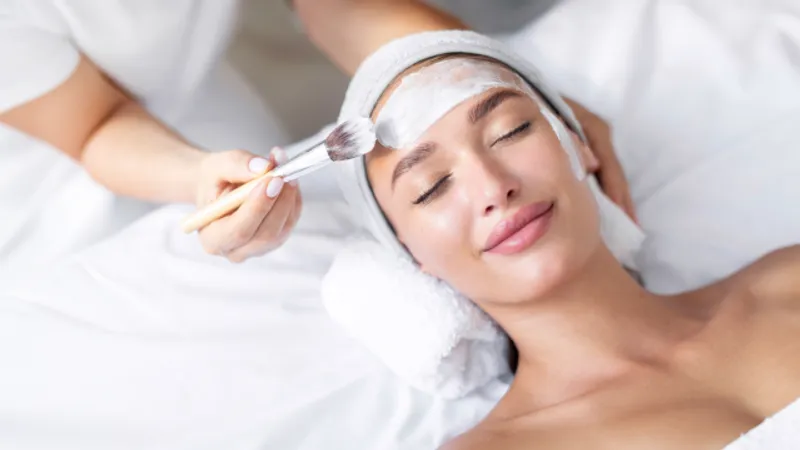
Before your peel
Keep your skin well moisturized in the days before treatment. Avoid scrubs, strong exfoliating products, and other potentially irritating skincare, and do not start new strong exfoliants immediately beforehand. Tell the clinic about sensitive or irritated skin, current skincare products, medications, and recent facial procedures that may increase sensitivity.
Step by step
- Skin assessment: oiliness, congestion, sensitivity, pigmentation, and current irritation are checked, and the peel is chosen.
- Cleansing: the skin is cleansed.
- Peel application: the selected peeling or cleansing treatment is applied; for Aqua Peel this involves AHA and BHA solutions.
- Hydration: Aqua Peel includes hyaluronic-acid hydration.
- Soothing and moisturizing: the skin is calmed and moisturized at the end.
Anesthesia is generally not required. During a chemical peel you may feel mild tingling, warmth, or stinging, depending on the treatment and your skin condition.
Recovery and results timeline
| Time after treatment | What usually happens |
|---|---|
| Immediately | Skin may feel smoother and look brighter; little to no downtime |
| First day or two | Temporary redness or irritation may appear and should soon subside |
| Following days | Improvements in specific concerns may become more noticeable; some people have a short-lived breakout |
| About one week | Continue moisturizing and avoid scrubs and peeling products |
| One to two weeks | The next session is usually due |
| Over multiple sessions | Repeated peels can enhance the overall effect |
Final results depend on the peel type and strength, your skin condition, and your goals.
What a typical course looks like
Most people do not stop at one peel. A course usually starts with a first session to see how your skin responds, followed by further sessions at one- to two-week intervals. Between visits, the focus is on moisturizing, sunscreen, and avoiding extra exfoliation, so that each peel is applied to calm skin. Because treatment intensity is matched to skin condition, the peel or its strength can be adjusted if your skin is more sensitive on a given day.
Aftercare
Moisturize after treatment. Apply sunscreen. Avoid scrubs and other peeling products for about one week. If you notice redness or irritation, keep your routine gentle until it settles. The AAD advises applying sunscreen every day once the skin has healed after a peel, to help maintain results.
Planning around your trip
Peels are outpatient treatments, and an extended stay is generally not required. A stay of one to two days in Korea may be enough, depending on the peel and your skin. Patients can generally fly after treatment if there is no significant skin reaction, but confirm timing with the clinic based on the peel you had. Because the clinic recommends sessions every one to two weeks, a longer stay allows more than one treatment.
Combining Chemical & Hydrating Peels with Other Treatments
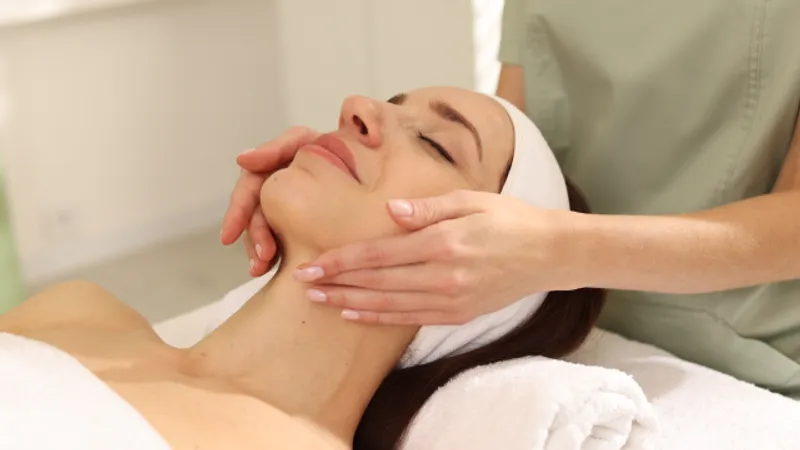
The clinic lists several skin-care options alongside its peels, and it offers acne-care and customizable skin-care packages that combine approaches according to individual needs. The exact combination is decided at consultation.
- Skin Scaling — another exfoliating option for oil and surface buildup.
- Whitening Iontophoresis — device-assisted delivery aimed at a dull complexion.
- LDM Ultrasound Therapy — a gentle ultrasound treatment for sensitive, red, or dry skin.
- Cryo Skin Care — a cooling treatment for sensitive or red skin.
- LED Regeneration Therapy — a light-based treatment using four LED wavelengths.
Safety, Precision, and Clinic Standards
Doctorpetit Clinic Hongdae's authorization from Korea's Ministry of Health and Welfare to welcome international patients took effect in January 2023. Every peel is chosen after your skin's oiliness, sensitivity, pigmentation, and irritation are assessed. Treatment intensity is adjusted to your skin condition. Peels are postponed over infected, wounded, or significantly inflamed skin.
Known risks
Temporary redness and transient breakouts can occur after treatment and generally resolve. Other possible risks include irritation, dryness, peeling, increased sensitivity, and temporary pigmentation changes. Irritation or pigment changes are more likely if the skin is sensitive or the treatment is too strong, which is why intensity is set individually.
Skin tone is worth discussing. According to Mayo Clinic's chemical peel overview, light peels commonly cause redness and some peeling, and darkening of the treated skin is more common after superficial peels than deep ones. Mayo Clinic adds that color changes after peels are more frequent in people with brown or Black skin. If your skin tends to darken after irritation, tell Dr. Lee so the peel and its strength can be chosen with that in mind.
The Bottom Line
- Chemical and hydrating peels exfoliate dead surface skin and, in Aqua Peel, add hyaluronic-acid hydration.
- The clinic offers Aqua Peel (about 30 minutes), LHALA Peel (about 40 minutes), Black Peel, and Aladdin Peel.
- They are aimed at clogged pores, whiteheads, blackheads, excess oil, texture, and dullness.
- Downtime is minimal; moisturize, use sunscreen, and skip scrubs and peeling products for about a week.
- Sessions are usually repeated every one to two weeks for a fuller effect.
Frequently Asked Questions
Which peel is right for me?
That depends on your oiliness, sensitivity, pigmentation, and current irritation. Dr. Lee assesses these and chooses between Aqua, LHALA, Black, and Aladdin Peel. Intensity is then adjusted to your skin.
Does a chemical peel sting?
You may feel mild tingling, warmth, or stinging during a chemical peel. Hydrating peels are generally well tolerated. Anesthesia is generally not needed.
How long does a peel take?
Aqua Peel takes about 30 minutes, and the LHA-based LHALA Peel takes about 40 minutes. Timing for Black and Aladdin Peel is confirmed at consultation.
Will my skin peel or break out afterwards?
Temporary redness or irritation may occur and should soon settle. Some people have a short-lived breakout, which generally resolves.
How often should I have a peel?
The clinic recommends multiple sessions at roughly one- to two-week intervals. One treatment can make the skin look smoother, and repeated sessions build on that.
Can I have a peel on a short trip to Seoul?
Yes. Peels are outpatient treatments with little to no downtime, and a one- to two-day stay may be enough. You can generally fly afterwards if your skin is not reacting significantly.
What should I avoid after a peel?
Avoid scrubs and other peeling products for about one week. Keep the skin moisturized and use sunscreen.
Can I have a peel if my skin is sensitive?
Possibly, but intensity is adjusted to your skin condition, and active irritation or an impaired skin barrier are reasons to postpone. Tell Dr. Lee about any sensitivity so he can choose the right approach.
Book a Consultation at Doctorpetit Clinic Hongdae
If congested pores, oiliness, or dull, uneven texture are holding your skin back, a consultation about a chemical peel in Seoul with Dr. Lee is the place to begin. He will match the peel and its strength to your skin. Getting there is simple: Exit 1 of Hongik University Station opens onto the Wookdo Building at 151 Yanghwa-ro, Mapo-gu, and the clinic is up on floor 8. Arrange your consultation, or browse patient before-and-after photos first.
Disclaimer
Treatment suitability, expected results, recovery time, risks, and potential side effects vary by individual. The information provided is for general informational purposes and does not replace an in-person medical consultation. Patients should discuss their medical history, treatment goals, and individual circumstances with a qualified medical professional before undergoing treatment.
Sources & Further Reading
Ready for Your Personalized Aesthetic Consultation in Hongdae?
Located right at Hongik Univ. Station Exit 1 (8F, 151 Yanghwa-ro, Mapo-gu). Multilingual coordinators for English, Traditional Chinese, and Simplified Chinese patients.