Hongik Univ. Station Exit 1 · 8F · 1:1 Personalized Aesthetic Dermatology
en-US

General Skin-Rejuvenation Lasers: Action 2 — Lutronic Action 2; Lagato 2 — Alma Lagato 2
Action 2 and Lagato 2 lasers in Seoul for pigmentation, pores, texture and scars, performed by Dr. Chae-ho Lee at Doctorpetit Clinic Hongdae in Hongdae.
Personalized Consultation & Custom Quote

Action 2 & Lagato 2 Lasers in Seoul

Medically reviewed by Dr. Chae-ho Lee, Medical Director, Doctorpetit Clinic Hongdae; Member, Korean Society of Laser Dermatology & Hair
Doctor profile · Doctorpetit Clinic Hongdae, Seoul
Action 2 (Lutronic) and Lagato 2 (Alma) are the two general skin-rejuvenation lasers used at Doctorpetit Clinic Hongdae in Seoul. They apply controlled laser energy to the skin to address pigmentation, dullness, visible pores, uneven texture, and scarring. A session typically takes about 10–30 minutes, and improvement builds gradually over a series of treatments.
What Is Laser Rejuvenation with Action 2 and Lagato 2?
General skin-rejuvenation laser treatment is an outpatient procedure that uses light or laser-based energy, delivered at controlled settings, to renew the skin and improve the look of pigmentation, pores, texture, and scars.
- Two named devices: the clinic lists Action 2 (Lutronic) and Lagato 2 (Alma) as its general rejuvenation lasers. Its equipment list writes the same two devices as Action II and Legato II.
- Controlled energy: the laser is applied to the targeted area at settings selected for your skin and concern.
- Skin renewal: the clinic's stated benefits are skin renewal and improvement of pigmentation and scars, along with pore improvement.
- Cumulative change: improvement is typically gradual and builds over several sessions spaced weeks apart.
- Short sessions: treatment usually takes about 10–30 minutes, depending on the area and the concerns being treated.
How laser resurfacing works in general
Laser resurfacing is a broad term. It covers ablative lasers, which remove the outer skin layer and heat the skin beneath it, and nonablative lasers or light sources, which stimulate collagen with less aggressive treatment and a shorter recovery. Nonablative results tend to be gradual and more subtle, according to Mayo Clinic's overview of laser resurfacing. The same overview notes that laser resurfacing is used for fine wrinkles, age spots, uneven color or texture, sun damage, and mild to moderate acne scars, but cannot correct sagging skin.
The clinic describes its Action 2 and Lagato 2 treatments as having little to no downtime. The exact settings, and therefore the intensity, are chosen at consultation.
How these lasers differ from other options in the specialty
Doctorpetit Clinic Hongdae offers several laser-related treatments, and each targets a slightly different problem. The clinic distinguishes IPL, which uses multiple wavelengths and is mainly described for superficial pigmentation, from laser toning, which uses selected wavelengths for pigment. Action 2 and Lagato 2 sit alongside these as general rejuvenation lasers, aimed at overall skin appearance as well as pigment. If your main concern is narrow, such as redness alone, another device in the specialty may suit you better.
Who Performs Action 2 and Lagato 2 Treatments at Doctorpetit Clinic Hongdae

Dr. Chae-ho Lee
Medical Director at Doctorpetit Clinic Hongdae
Dr. Chae-ho Lee, Medical Director and the clinic's only physician, performs Action 2 and Lagato 2 treatments. Action 2 and Lagato are named among his subspecialty techniques, and laser and skin rejuvenation is one of his core specializations. He belongs to the Korean Society of Laser Dermatology & Hair. At consultation he reviews your skin condition, pigmentation, texture, goals, medical history, and previous procedures before choosing the laser approach. English consultation and interpretation are available.
Who Is a Good Candidate for Action 2 and Lagato 2 Lasers?
These lasers are intended for adults who want visible improvement in several surface concerns at once. You may be a suitable candidate if you have:
- Uneven pigmentation.
- Dullness or a tired-looking complexion.
- Visible pores.
- Uneven skin texture.
- Scars you would like to look less noticeable.
- A wish to improve overall skin tone and appearance with relatively short sessions.
Treatment may need to be postponed or avoided if you have:
- An active skin infection or open wounds.
- Significant inflammation or severe skin irritation.
- Recent tanning.
- A condition that causes photosensitivity, or photosensitizing medication.
- Pregnancy, which should be discussed with the doctor before treatment.
- Any other contraindication identified during consultation.
Suitability depends on your skin type, your concerns, and which of the two lasers is selected. Individual medical assessment is always required.
Points worth raising at consultation
Some background factors affect laser treatment in general, not just these two devices. Mayo Clinic lists several situations in which people may be cautioned against laser resurfacing, including use of the acne medicine isotretinoin within the past year, a history of keloid scars, a tendency to cold sores or a recent outbreak, a weakened immune system, and pregnancy or breastfeeding. If any of these apply to you, mention them early so Dr. Lee can factor them into the choice of laser and settings, or suggest a different approach.
It also helps to bring a short history of your skin: past laser or peel treatments, how your skin tends to react to sun, and whether dark marks have lingered after spots or minor injuries. That information shapes how conservatively the energy is set.
What to Expect: Procedure, Recovery, and Results Timeline

Preparing for treatment
Avoid unnecessary sun exposure before your appointment. Avoid products or activities that significantly irritate the treatment area. Tell the clinic about your medications, recent procedures, active skin problems, and any history of abnormal pigmentation. Exact preparation depends on the laser chosen and is confirmed at consultation.
Sun protection in the weeks beforehand is more than a formality. Mayo Clinic warns that unprotected sun exposure in the two months before resurfacing can lead to lasting color change in treated areas, so if you are arriving from a sunny holiday, say so.
The procedure, step by step
- Skin assessment: your skin condition, pigmentation, texture, and goals are reviewed.
- Cleansing: the treatment area is cleansed.
- Eye protection: you are given protective eyewear.
- Comfort: topical numbing may be used, depending on the device, treatment intensity, and your sensitivity; many non-ablative treatments need little or none.
- Laser treatment: the laser is applied with controlled energy to address your concerns.
- Soothing: cooling or soothing care may follow.
- Home-care instructions: you receive skincare and sun-protection guidance.
The treatment typically takes about 10–30 minutes. During the session you may feel warmth, tingling, snapping, or mild discomfort, depending on the technology and settings.
Recovery and results timeline
| Time after treatment | What usually happens |
|---|---|
| Immediately | Most patients return to daily activities; mild redness or sensitivity may appear |
| First few days | Temporary redness or sensitivity usually settles; dryness or mild peeling can occur |
| After the first session | Some improvement may already be noticeable |
| Following weeks | Skin tone, texture, and overall appearance can keep improving |
| Weeks to months | Collagen-related improvements may continue to develop |
| Across 3–5 or more sessions | Gradual, cumulative improvement, with sessions spaced several weeks apart |
Final results vary with the laser type and intensity used. Some effects show relatively quickly, while others take longer.
Aftercare
Protect your skin from the sun. Use gentle skincare. Avoid excessive heat and irritation for the period you are given. Follow the specific instructions from your treating doctor.
Planning around your trip
Little to no downtime is typical, so most patients can plan a short stay. Around one to three days is generally enough, depending on your treatment plan and how your skin responds. Most patients can fly home within one to two days if there are no significant skin reactions. If redness or irritation develops, follow Dr. Lee's advice on timing. A multi-session course will need either a longer stay or return visits.
Combining Action 2 and Lagato 2 with Other Treatments
Many people arrive with more than one concern, such as pigment and enlarged pores together. Within the laser specialty, the clinic organizes dedicated pigmentation packages and pore & scar packages around combined concerns of this kind. Whether a rejuvenation laser forms part of such a plan, and alongside what, is decided after your skin has been assessed rather than set in advance.
The clinic has not published a fixed pairing for Action 2 or Lagato 2, so no combination is assumed. If another treatment in the specialty would address part of your concern better, Dr. Lee will say so and explain why.
Dr. Lee explains the order and spacing of any combined plan before you book further sessions.
Safety, Precision, and Clinic Standards
Doctorpetit Clinic Hongdae was registered by Korea's Ministry of Health and Welfare to treat foreign patients in January 2023. Each laser plan starts with a review of your skin, medical history, and previous procedures. The laser and its settings are chosen after that assessment rather than fixed in advance. Active infection, open wounds, and recent tanning are reasons to postpone.
Known risks
Temporary effects after rejuvenation laser treatment can include redness, warmth, swelling, sensitivity, dryness, mild peeling, or changes in pigmentation. Less common risks include prolonged redness, burns, blistering, infection, pigmentation changes, and scarring. The likelihood depends on the laser, the treatment settings, and individual skin characteristics, which is why the device is chosen after assessment.
Mayo Clinic notes that side effects of laser resurfacing are milder and less likely with nonablative approaches than with ablative ones. It also lists changes in skin color as a key risk: treated skin can become darker or lighter, and people with brown or Black skin face a higher risk of lasting color change. The American Academy of Dermatology's guide to laser-treatable conditions makes a similar point, recommending a clinician experienced in treating darker skin with lasers.
Daily sun protection matters after any laser session. Mayo Clinic advises using a moisturizer and an SPF 30 or higher sunscreen every day after laser resurfacing, because new sun damage can undo results.
The Bottom Line
- Action 2 (Lutronic) and Lagato 2 (Alma) are the clinic's general skin-rejuvenation lasers.
- They are used for pigmentation, dullness, pores, uneven texture, and scars.
- A session takes about 10–30 minutes, with little to no downtime for most patients.
- Improvement is gradual, usually across 3–5 or more sessions several weeks apart.
- Dr. Chae-ho Lee, who lists Action 2 and Lagato among his subspecialty techniques, chooses the device and settings.
Frequently Asked Questions
What is the difference between Action 2 and Lagato 2?
Both are general rejuvenation lasers the clinic uses for pigmentation, texture, pores, and scars. Which one suits you depends on your skin type and concerns. Dr. Lee selects the device at consultation.
Is Action 2 or Lagato 2 laser treatment painful?
Sensation varies by laser and by person. You may feel warmth, tingling, snapping, or mild discomfort. Topical numbing can be used when appropriate.
How many sessions will I need?
Improvement is typically gradual and cumulative over three to five or more sessions. Sessions are spaced several weeks apart. Some people notice a change after the first treatment.
Can these lasers help with scars?
Scar improvement is one of the benefits the clinic lists for these lasers. How much a particular scar may change depends on its type and your skin. Dr. Lee will give you a realistic view at consultation.
How long should I stay in Seoul?
Around one to three days is generally enough for a single session. Most patients can fly home within one to two days if the skin is calm. A full course needs return visits.
What side effects are common?
Redness, warmth, swelling, sensitivity, dryness, or mild peeling may occur temporarily. These usually settle within a few days. Tell the clinic if anything persists or worsens.
Who should postpone treatment?
People with active skin infections, open wounds, severe irritation, or a recent tan should wait until the skin recovers. If you are pregnant or take photosensitizing medication, consult the doctor first.
Can I combine these lasers with other treatments on the same trip?
Combined plans are possible when your skin allows, and the clinic offers pigmentation and pore & scar packages for overlapping concerns. Which treatments go together is decided at consultation.
Book a Consultation at Doctorpetit Clinic Hongdae
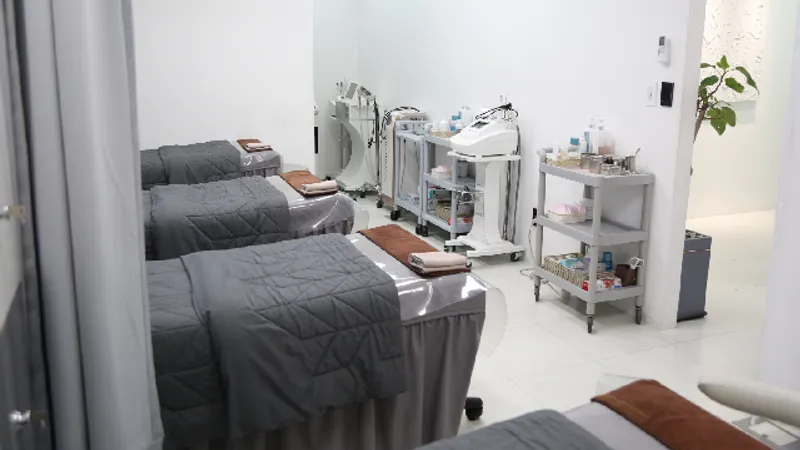
To find out whether Action 2 or Lagato 2 laser treatment in Seoul is the right fit for your pigment, pores, or texture, begin with an assessment by Dr. Lee. The clinic's address is Wookdo Building (8th floor), 151 Yanghwa-ro, Mapo-gu; leave Hongik University Station by Exit 1 and the building is immediately in front of you. Send a consultation request and read patient reviews before your trip.
Disclaimer
Treatment suitability, expected results, recovery time, risks, and potential side effects vary by individual. The information provided is for general informational purposes and does not replace an in-person medical consultation. Patients should discuss their medical history, treatment goals, and individual circumstances with a qualified medical professional before undergoing treatment.
Sources & Further Reading
Ready for Your Personalized Aesthetic Consultation in Hongdae?
Located right at Hongik Univ. Station Exit 1 (8F, 151 Yanghwa-ro, Mapo-gu). Multilingual coordinators for English, Traditional Chinese, and Simplified Chinese patients.