Hongik Univ. Station Exit 1 · 8F · 1:1 Personalized Aesthetic Dermatology
en-US

High-Frequency (RF) Skin Care
RF facial in Seoul: gentle radiofrequency skin care for firmness, fine lines and skin texture, performed by Dr. Chae-ho Lee at Doctorpetit Clinic Hongdae.
Personalized Consultation & Custom Quote
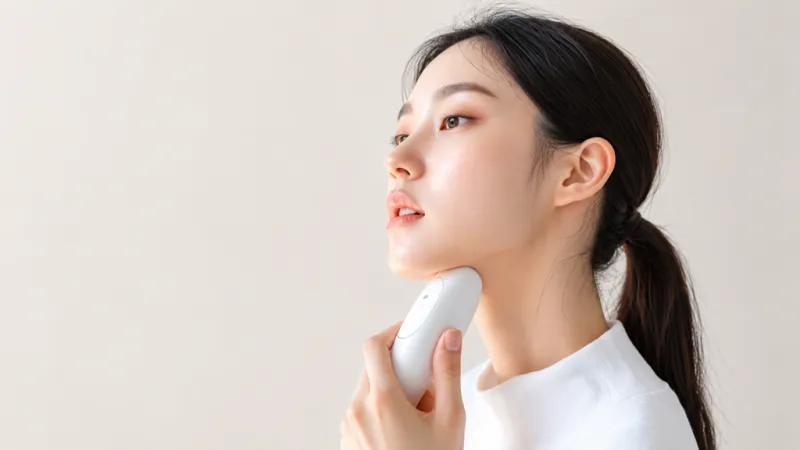
High-Frequency (RF) Skin Care in Seoul
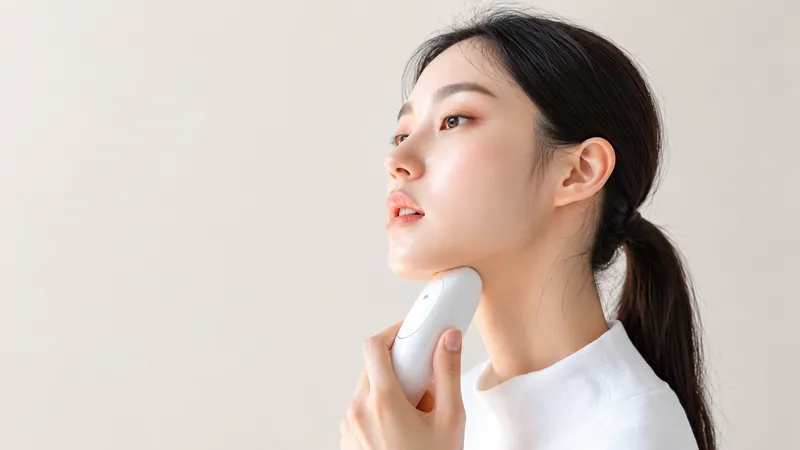
Medically reviewed by Dr. Chae-ho Lee, Medical Director, Doctorpetit Clinic Hongdae; Member, Korean Society of Clinical Aesthetic Medicine
Doctor profile · Doctorpetit Clinic Hongdae, Seoul
High-Frequency (RF) Skin Care is a non-surgical radiofrequency facial that gently warms targeted skin tissue to support firmness, smoother texture, and the look of fine lines. At Doctorpetit Clinic Hongdae in Seoul, it is a low-level skin care session of about 20 minutes, not a lifting procedure, and it usually leaves little more than temporary warmth or redness. The clinic positions it as maintenance care between higher-intensity lifting sessions.
What Is High-Frequency (RF) Skin Care?
High-Frequency (RF) Skin Care is a non-invasive treatment in which a device delivers radiofrequency energy to warm the skin in a controlled way, with the aim of improving the appearance of firmness and texture.
- Controlled warmth: the device converts radiofrequency energy into gentle heat within the targeted skin tissue rather than on the surface alone.
- Collagen-related response: RF technology delivers targeted thermal energy to the dermal layer, inducing collagen contraction and stimulating new collagen formation, according to a 2025 review in Health Science Reports.
- Gradual change: because that response develops over time, improvements in skin feel may appear early while firmness-related changes build over weeks to months.
- No incisions or needles: the energy is applied through the skin surface, so there is no wound to heal.
- Low intensity by design: at this clinic it is positioned as a skincare-level RF treatment that supports skin maintenance between higher-intensity lifting sessions.
How it differs from RF lifting
The same type of energy is used in stronger lifting devices, which is a common source of confusion. RF skin care sits at the gentle end of the scale. It is meant for mild laxity, early signs of aging, and texture, and it is performed as part of the clinic's skin care and facial category. People whose main concern is marked sagging are usually better matched with a lifting device or, for significant laxity, a surgical facelift. The same review notes that efficacy depends critically on how treatment parameters are customized and on the experience of the practitioner, which is one reason the intensity of any RF session is set after a skin assessment.
What it is used for
Patients usually ask about this treatment for one or more of these goals:
- A firmer feel to skin that has started to lose elasticity.
- Softening the look of fine wrinkles.
- Smoother, more even texture.
- A non-surgical, outpatient option that fits into a short visit.
Who Performs High-Frequency (RF) Skin Care at Doctorpetit Clinic Hongdae

Dr. Chae-ho Lee
Medical Director at Doctorpetit Clinic Hongdae
Dr. Chae-ho Lee is the performing doctor for RF skin care, as he is for every service in the clinic's skin care and facial category. He is the Medical Director and the only physician at Doctorpetit Clinic Hongdae, and skin care and facial treatments are among his stated core specializations. Each visit begins with a one-on-one consultation with him, in which he reviews your medical history, previous procedures, and goals and decides whether RF skin care is the right tool or whether another option would serve you better. English consultation and interpretation are available throughout.
Who Is a Good Candidate for High-Frequency (RF) Skin Care?
RF skin care is generally considered for adults who want a gentle, non-surgical way to support skin firmness. You may be a suitable candidate if you have:
- Mild skin laxity or a slight loss of elasticity.
- Fine lines that you would like to soften with relatively gentle care.
- Uneven or rough skin texture.
- Early signs of skin aging and an interest in regular maintenance.
- A preference for outpatient care with little downtime.
RF skin care may not be suitable, or may need to be postponed, if you have:
- Certain implanted electronic devices.
- Implanted metal, which requires individual assessment.
- Pregnancy, which also requires individual assessment.
- An active skin infection in the treatment area.
- Open wounds or significant irritation of the skin.
- Another medical condition that makes RF treatment unsafe or needs medical attention first.
When another option may fit better
Suitability depends on your skin condition, goals, and medical assessment, and part of the consultation is checking whether a different treatment is more appropriate.
| Alternative | How it differs from RF skin care |
|---|---|
| Ultrasound skin tightening | Uses ultrasound energy instead of radiofrequency |
| Laser skin treatments | Use laser energy for selected skin concerns |
| Surgical facelift | A more invasive route for significant skin laxity |
What to Expect: Procedure, Recovery, and Results Timeline
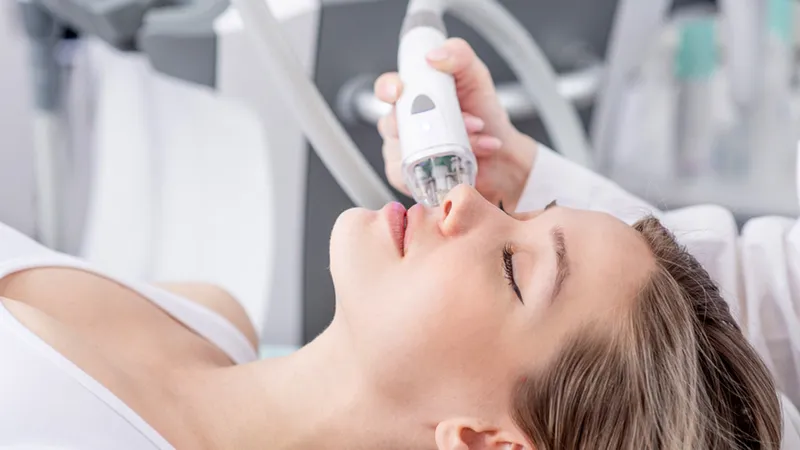
Before your appointment
Arrive with clean skin. Avoid irritating or aggressive skin treatments immediately beforehand, especially anything that leaves your skin sensitive or inflamed. Follow the instructions you are given about skincare products, sun exposure, and medications. Tell the clinic about any implants, active skin problems, unusual sensitivity, and recent procedures.
During the session
- Consultation and skin check: Dr. Lee examines your skin and confirms suitability and the treatment areas.
- Preparation: the treatment area is cleansed and prepared.
- RF application: the device is applied to the selected area according to your treatment plan.
- Final check: the session is completed and your skin is checked before you leave.
The session itself takes about 20 minutes. Anesthesia is generally not needed for standard RF skin care. Most patients feel gentle warmth, and some notice tingling or mild discomfort depending on the device and settings; topical numbing may be used for comfort in some cases.
Recovery and results timeline
| Time after treatment | What usually happens |
|---|---|
| Immediately | Mild warmth, redness, or sensitivity is common; you can usually go about your day |
| First hours to days | Any redness or mild swelling generally settles as the skin returns to normal |
| Early on | Some patients notice a smoother skin feel or slightly better elasticity |
| Weeks to months | Collagen-related improvements, where they occur, develop gradually |
| Ongoing | Results are temporary; a series of sessions and maintenance may be recommended |
There is usually little to no formal downtime. Timing of the final result varies with skin condition, treatment settings, and the number of sessions, so the clinic does not set a single end date.
Aftercare
Use gentle skincare and sun protection as advised. Avoid excessive heat, such as saunas or very hot baths, until your skin has recovered. Hold off on irritating products and on any activity your provider asks you to restrict.
Planning around a trip
Because RF skin care is an outpatient treatment, an extended stay in Korea is generally not required. International travel can generally be considered after the session if you feel well and there are no significant skin reactions. If you want a series, plan your sessions around your treatment plan and time in Seoul.
Safety, Precision, and Clinic Standards
Doctorpetit Clinic Hongdae has been registered with Korea's Ministry of Health and Welfare as an institution that attracts foreign patients since January 2023. Every RF plan is set after a personal consultation with the Medical Director. Treatment settings are chosen for the individual skin rather than applied as a fixed protocol. Your skin is checked again before you leave the clinic.
Known risks
Temporary redness, warmth, mild swelling, tenderness, or discomfort can occur. These effects vary with the treatment settings and your skin's response. Because RF works through controlled heat, excessive energy or inappropriate settings can cause burns. The same applies to prolonged irritation and pigment changes. Individual risk is discussed during consultation.
What the wider evidence says
Energy-based skin procedures carry inherent risks even with built-in safety features, and high energy settings or inadequate cooling can cause burns, scarring, and pigment changes, according to a 2026 review in the Journal der Deutschen Dermatologischen Gesellschaft. That review links many complications to unsuitable device choice, suboptimal settings, insufficient patient evaluation, or limited operator experience. The Health Science Reports review also notes that more research is still needed to understand the long-term efficacy and safety of RF treatments. For a low-intensity skin care session, the practical takeaway is simple: conservative settings, a proper medical history, and realistic expectations matter more than any single session.
The Bottom Line
- High-Frequency (RF) Skin Care is a gentle, non-surgical radiofrequency facial aimed at firmness, fine lines, and texture.
- It is a skincare-level treatment of about 20 minutes, not a substitute for a lifting procedure.
- Downtime is usually minimal, with temporary warmth or redness.
- Results build gradually and are temporary, so a series and maintenance are common.
- Implanted electronic devices, implanted metal, pregnancy, and active skin problems need assessment first.
Frequently Asked Questions
Does an RF facial hurt?
Most people feel gentle warmth with little to no pain. Some notice tingling or mild discomfort depending on the settings. Anesthesia is generally not needed for standard RF skin care.
How soon will I see a difference?
Some patients notice smoother or firmer-feeling skin soon after treatment, but timing varies. Collagen-related improvements tend to develop over weeks to months. RF is commonly done as a series rather than relying on one session.
Is RF skin care the same as an RF lifting treatment?
No. Both use radiofrequency energy, but this is a low-level skin care treatment for mild laxity and texture. It is often used to maintain skin between higher-intensity lifting sessions, and marked sagging calls for a different option.
Can I have RF skin care if I have a pacemaker or metal implants?
Certain implanted electronic devices may make RF unsuitable. Implanted metal and pregnancy also need individual assessment. Tell the clinic about any implant before booking so Dr. Lee can assess whether RF is appropriate.
Can I fly home after the treatment?
For non-invasive RF skin care, travel can generally be considered after the session if you feel well and your skin has no significant reaction. An extended stay in Korea is generally not required.
What should I avoid afterwards?
Avoid excessive heat and irritating products until your skin has settled. Use gentle skincare and sun protection, and follow any activity restrictions you are given.
What if my skin reacts after I get home?
Send the clinic a message through its website or call, with a description of the problem. If you notice blistering, pigment change, or redness that will not settle, have a local doctor look at it promptly too.
Book a Consultation at Doctorpetit Clinic Hongdae
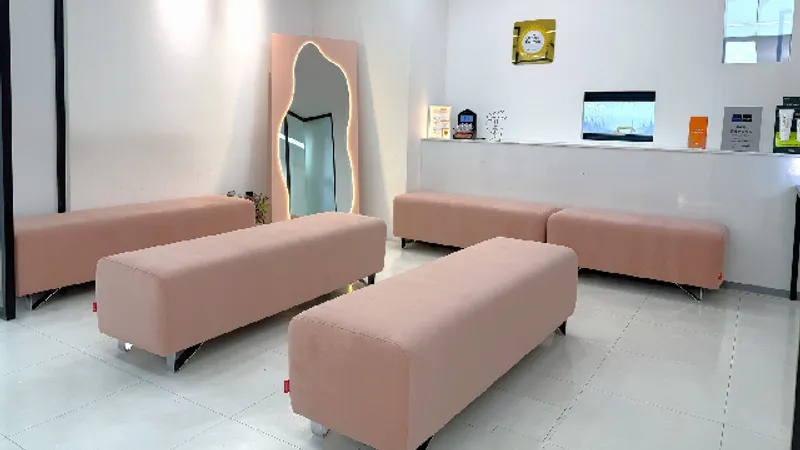
If you are considering an RF facial in Seoul, start with a one-on-one assessment with Dr. Lee, who will tell you honestly whether gentle RF care suits your skin or whether another treatment would do more. The clinic occupies the 8th floor of the Wookdo Building at 151 Yanghwa-ro in Mapo-gu, right by Exit 1 of Hongik University Station. Send an enquiry or book here, and see what other patients say in the customer reviews.
Disclaimer
Treatment suitability, expected results, recovery time, risks, and potential side effects vary by individual. The information provided is for general informational purposes and does not replace an in-person medical consultation. Patients should discuss their medical history, treatment goals, and individual circumstances with a qualified medical professional before undergoing treatment.
Sources & Further Reading
Ready for Your Personalized Aesthetic Consultation in Hongdae?
Located right at Hongik Univ. Station Exit 1 (8F, 151 Yanghwa-ro, Mapo-gu). Multilingual coordinators for English, Traditional Chinese, and Simplified Chinese patients.