Hongik Univ. Station Exit 1 · 8F · 1:1 Personalized Aesthetic Dermatology
en-US

LDM Ultrasound Therapy
LDM treatment in Seoul: gentle ultrasound therapy for redness, sensitive or dry skin and elasticity, performed by Dr. Chae-ho Lee at Doctorpetit Hongdae.
Personalized Consultation & Custom Quote

LDM Ultrasound Therapy in Seoul

Medically reviewed by Dr. Chae-ho Lee, Medical Director, Doctorpetit Clinic Hongdae; Member, Korean Society of Clinical Aesthetic Medicine
Doctor profile · Doctorpetit Clinic Hongdae, Seoul
LDM Ultrasound Therapy is a non-invasive skin treatment that delivers high-density ultrasonic energy to support the skin's natural regeneration, elasticity, and overall condition. At Doctorpetit Clinic Hongdae in Seoul, LDM treatment is recommended for gentle lifting and for redness, uneven tone, and sensitive or dry skin. A visit takes about 40 minutes, needs no anesthesia, and is usually repeated weekly.
What Is LDM Ultrasound Therapy?
LDM Ultrasound Therapy is a gentle, non-invasive treatment that uses high-density ultrasonic energy, delivered in a mode chosen for your skin, to help the skin recover and regenerate and to improve its elasticity.
- Multi-frequency ultrasound: the device delivers ultrasound waves at more than one frequency to the treatment area.
- Mode selection: the operating mode is chosen according to your skin condition, so the same device can be set up differently for dry, sensitive, or reddened skin.
- Skin defenses: the clinic describes the treatment as helping boost the skin's own immune function and address the factors that contribute to skin problems.
- Regeneration and elasticity: the stated aims are to promote natural regeneration and improve elasticity for healthier, firmer-looking skin.
- Comfort and hydration: it is also used to support skin hydration, soothe the skin, and improve texture.
How LDM compares with other gentle facials at the clinic
Several treatments in the clinic's facial category look similar on paper, because they all aim to calm or support the skin without downtime. The differences lie in the energy used, the session length, and the main goal.
| Treatment | Energy used | Main focus | Session time |
|---|---|---|---|
| LDM Ultrasound Therapy | High-density, multi-frequency ultrasound | Gentle lifting, elasticity, redness, tone, sensitive or dry skin | About 40 min |
| sono Skin Care | Ultrasound with customized modes | Hydration for inner dryness; calming sensitive, red, or flushed skin | About 20 min |
| Cryo Skin Care | Below-freezing cooling | Soothing heat and redness, including after laser or injections | About 20 min |
| High-Frequency (RF) Skin Care | Radiofrequency warmth | Firmness, fine lines, and texture | About 20 min |
LDM is the longest of these sessions and the one most clearly aimed at elasticity as well as calming. If your skin mainly needs hydration or cooling, a shorter option may be enough, and Dr. Lee will say so at consultation.
Why patients choose LDM
Patients usually come to LDM looking for a gentle, non-invasive option rather than a procedure with recovery time. The concerns that bring them in are improving skin elasticity, redness, skin tone, sensitivity, dryness, and overall skin condition. Some also mention puffiness, inflammation, or uneven texture. What these have in common is skin that needs support and calming more than aggressive resurfacing, which is the niche LDM is designed to fill.
What LDM is not
LDM is not a resurfacing or injectable treatment, and it does not intentionally wound the skin. It is also not designed to deliver the stronger lifting effect that dedicated lifting devices aim for. The clinic recommends it for a gentle lifting effect, so it is best seen as regular supportive care that can sit alongside other treatments rather than replace them.
Who Performs LDM Ultrasound Therapy at Doctorpetit Clinic Hongdae

Dr. Chae-ho Lee
Medical Director at Doctorpetit Clinic Hongdae
LDM is carried out under the care of Dr. Chae-ho Lee, who is Medical Director and the sole physician at Doctorpetit Clinic Hongdae. LDM is one of his named subspecialty techniques, and skin care and facial treatments sit among his core specializations. At your one-on-one consultation he evaluates your skin condition, sensitivity, and goals, then selects the ultrasound mode and the areas to treat. Interpretation in English is available for the consultation.
Who Is a Good Candidate for LDM Ultrasound Therapy?
LDM is aimed at people who want gentle, regular skin care rather than a dramatic one-off change. You may be a suitable candidate if you:
- Want a gentle, non-invasive lifting treatment.
- Have redness or an uneven skin tone.
- Have sensitive skin that does not tolerate more aggressive procedures well.
- Have dry or dehydrated-feeling skin.
- Notice puffiness, inflammation, or uneven texture.
- Want to improve elasticity and overall skin condition over time.
LDM may not be suitable, or may need to be postponed, if you have:
- An active skin infection in the treatment area.
- An open wound or significant inflammation.
- Certain medical conditions that make ultrasound treatment unsuitable.
- Any other contraindication to ultrasound-based treatment found at consultation.
Individual suitability is always assessed in person before treatment.
What to Expect: Procedure, Recovery, and Results Timeline
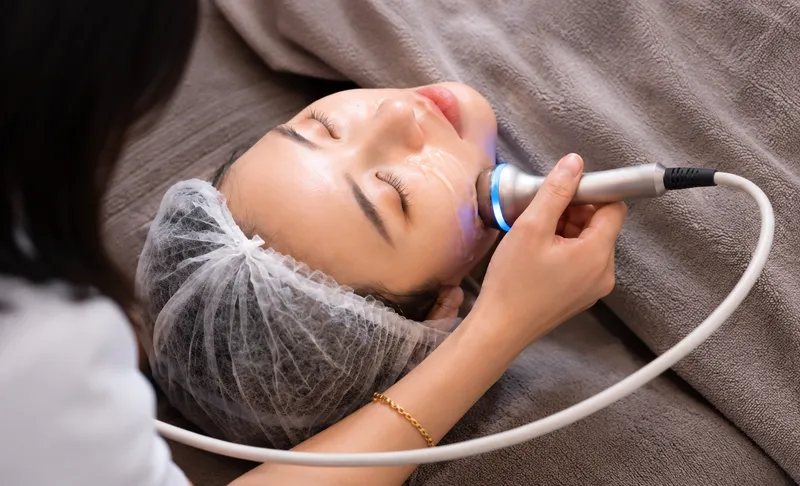
Before your session
Come with clean skin. Avoid irritating or aggressive skin treatments immediately before LDM unless you have been advised otherwise. Tell the clinic about current skin conditions, sensitivities, medications, and any recent cosmetic procedures. Mention active irritation as well, because an inflamed area may need to wait before LDM goes ahead.
During the session
- Skin evaluation: your concerns, sensitivity, and treatment goals are reviewed.
- Mode and area selection: the appropriate ultrasound mode and treatment areas are chosen based on that assessment.
- Preparation: the skin is prepared for treatment.
- Ultrasound delivery: the device is applied to the target areas and ultrasonic energy is delivered to support regeneration and elasticity.
- Moisturizing: the session finishes with hydrating care.
The total procedure takes about 40 minutes. Anesthesia is generally not required. Most patients feel gentle warmth or a light massaging sensation, with little to no pain.
Recovery and results timeline
| Time after treatment | What usually happens |
|---|---|
| Immediately | Mild redness, warmth, tingling, or sensitivity may appear; most people return to normal activities |
| Shortly after | Some people notice better hydration, comfort, or appearance |
| About one week | The next session is usually due, following the recommended weekly interval |
| Over repeated sessions | Further improvements tend to develop gradually |
| Longer term | Results vary by skin type; consistent treatment is recommended |
LDM generally involves little or no downtime, although individual sensitivity can affect how your skin feels afterwards. There is no single date for the final result, because it depends on your skin condition and treatment plan.
How a weekly course works
LDM is designed as consistent care rather than a single session. The clinic recommends treatment at roughly one-week intervals, and changes in hydration, comfort, or appearance tend to build gradually with repetition. Before each visit, tell the clinic about any new skin irritation, recent procedures, or changes in medication, because these can affect whether the session goes ahead or which mode is used. The number of sessions is not fixed in advance; it depends on your skin type, how your skin responds, and what you want to achieve. If you live abroad, you can discuss with Dr. Lee how a short course in Seoul fits with your travel dates.
Aftercare
Apply a hydrating cream after treatment. Use sunscreen whenever you are outdoors. If your skin feels warm or sensitive, keep your routine simple until it settles.
Planning around a trip
LDM is an outpatient treatment and usually requires no extended recovery. For a single session, international patients may only need a short stay of about one to two days in Korea. Flying may be possible soon after treatment, but confirm the timing with Dr. Lee, especially if you are combining LDM with other procedures. If you want a course, the weekly interval means a longer stay or a plan to return.
Combining LDM Ultrasound Therapy with Other Treatments
LDM may be combined with other skin-rejuvenation or skin-care procedures when it is clinically appropriate. The combination is chosen according to your skin condition and goals at consultation.
- Laser & Skin Rejuvenation — LDM can be part of a plan that includes skin-rejuvenation procedures, with the order and timing set by Dr. Lee.
- Skin Care & Facial Treatments — LDM can sit within a customized skin-care plan alongside other facials suited to your skin.
Because risks can vary with the other procedures performed at the same time, tell the clinic everything you plan to have during your visit.
Safety, Precision, and Clinic Standards
Doctorpetit Clinic Hongdae has appeared on the Ministry of Health and Welfare's list of registered foreign-patient medical institutions since January 2023. Every LDM session follows an in-person evaluation by the Medical Director. The ultrasound mode is chosen for your skin rather than applied as a fixed program. Treatment is postponed when the skin has an active infection or an open wound.
Known risks
Temporary redness, mild warmth, tingling, tenderness, or sensitivity can occur after ultrasound-based skin treatment. These effects are generally short-lived. Rarely, skin irritation or discomfort develops, depending on treatment intensity and individual sensitivity. Risks can also differ when other procedures are performed in the same session. Persistent or worsening symptoms should be assessed by a medical professional.
Supporting your skin at home
What you do between sessions affects how comfortable your skin feels. The clinic recommends a hydrating cream after treatment and sunscreen outdoors. For dry or sensitive skin in general, the American Academy of Dermatology's tips for relieving dry skin favor ointments and creams over lotions and recommend gentle, fragrance-free products. For sun protection, the AAD's guide to applying sunscreen advises a broad-spectrum, water-resistant product with SPF 30 or higher, reapplied every two hours outdoors and after swimming or sweating. These are general skin-care measures, not part of the LDM treatment itself, but they help protect skin that is already sensitive or reddened.
The Bottom Line
- LDM Ultrasound Therapy is a gentle, non-invasive ultrasound treatment aimed at regeneration, elasticity, and overall skin condition.
- It is recommended for gentle lifting and for redness, uneven tone, and sensitive or dry skin.
- A session takes about 40 minutes, with no anesthesia and little or no downtime.
- The clinic recommends consistent weekly sessions, with results varying by skin type.
- Moisturizing and daily sun protection between sessions help support sensitive or dry skin.
Frequently Asked Questions
Does LDM hurt?
Most patients describe it as comfortable. You are likely to feel gentle warmth or a light massaging sensation. No local or general anesthesia is typically needed.
How many LDM sessions will I need?
The clinic recommends treatment at roughly one-week intervals. The number of sessions depends on your skin type, condition, and goals, and changes tend to build with repetition.
What skin concerns is LDM recommended for?
The clinic recommends LDM for gentle lifting and for redness, uneven skin tone, sensitive skin, and dry skin. Some people also seek it for puffiness or uneven texture. Dr. Lee confirms at consultation whether LDM suits your particular concern.
Is LDM a lifting treatment?
It is recommended for people who want a gentle lifting effect, along with improved elasticity. It is a low-intensity treatment, though, and is not designed to replace stronger lifting devices for marked sagging.
How long should I stay in Seoul for LDM?
For a single session, a short stay of about one to two days is usually enough because no extended recovery is needed. A weekly course requires more time or repeat visits.
What side effects are common?
Temporary redness, mild warmth, tingling, or sensitivity may occur. These usually fade quickly. Tell the clinic if anything persists or gets worse.
Who should not have LDM?
Treatment may need to be postponed if you have an active skin infection, an open wound, significant inflammation, or a condition that makes ultrasound unsuitable. Dr. Lee confirms suitability first.
What happens if I have a concern after flying home?
Get in touch with the clinic by phone or through the website and explain the problem. If symptoms are persistent or worsening, also see a doctor where you live.
Book a Consultation at Doctorpetit Clinic Hongdae
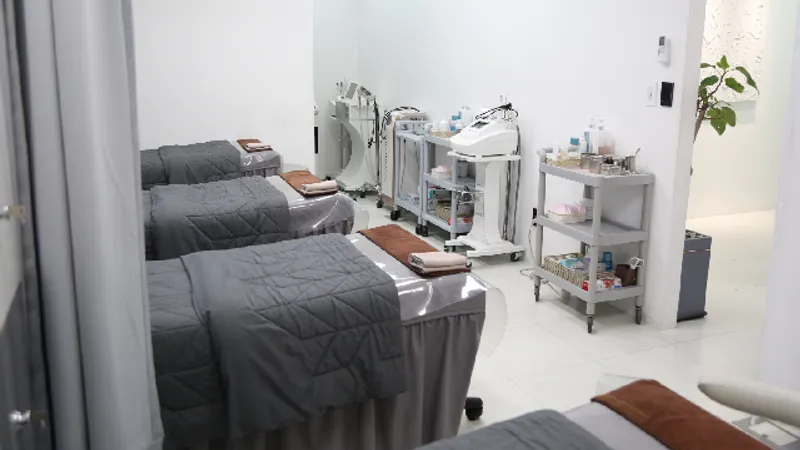
If you are weighing an LDM treatment in Seoul for redness, sensitivity, dryness, or gentle firming, a personal consultation with Dr. Lee is the place to start. Find the clinic on the 8th floor of the Wookdo Building at 151 Yanghwa-ro, Mapo-gu, immediately outside Exit 1 of Hongik University Station. Request a consultation online and read customer reviews before you visit.
Disclaimer
Treatment suitability, expected results, recovery time, risks, and potential side effects vary by individual. The information provided is for general informational purposes and does not replace an in-person medical consultation. Patients should discuss their medical history, treatment goals, and individual circumstances with a qualified medical professional before undergoing treatment.
Sources & Further Reading
Ready for Your Personalized Aesthetic Consultation in Hongdae?
Located right at Hongik Univ. Station Exit 1 (8F, 151 Yanghwa-ro, Mapo-gu). Multilingual coordinators for English, Traditional Chinese, and Simplified Chinese patients.