Hongik Univ. Station Exit 1 · 8F · 1:1 Personalized Aesthetic Dermatology
en-US

LED Regeneration Therapy
LED light therapy in Seoul with red, blue, yellow and near-infrared light for sensitive skin, acne and redness, by Dr. Chae-ho Lee at Doctorpetit Hongdae.
Personalized Consultation & Custom Quote
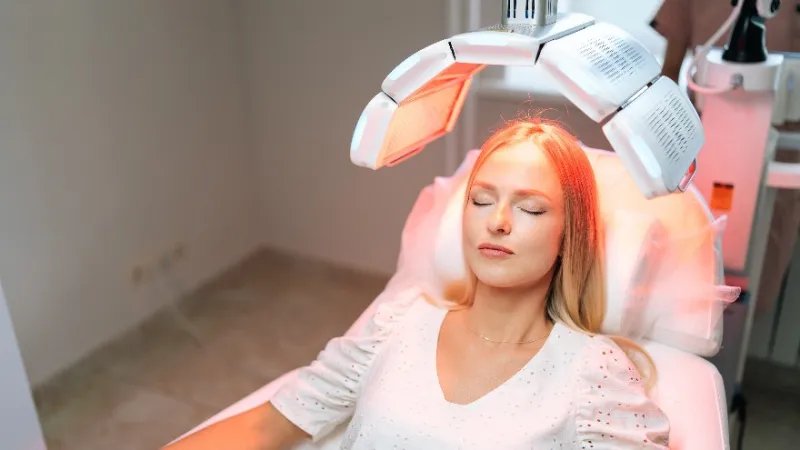
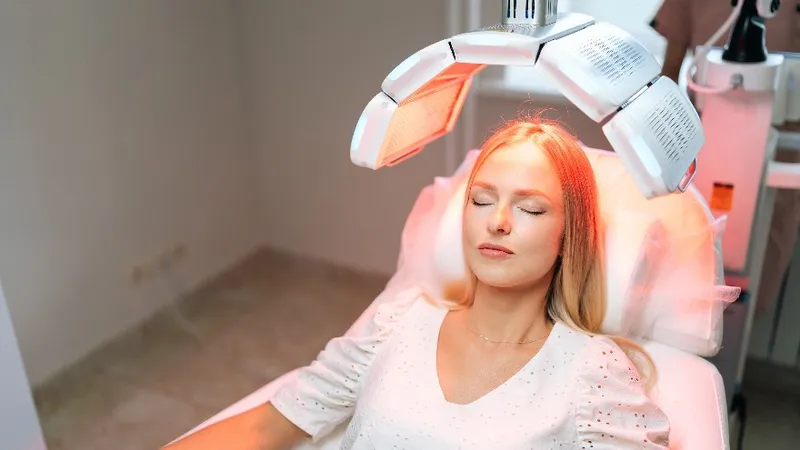
LED Regeneration Therapy in Seoul
Medically reviewed by Dr. Chae-ho Lee, Medical Director, Doctorpetit Clinic Hongdae; Member, Korean Society of Clinical Aesthetic Medicine
Doctor profile · Doctorpetit Clinic Hongdae, Seoul
LED Regeneration Therapy is a non-thermal light treatment that uses red, blue, yellow, and near-infrared LED wavelengths to support the skin's regeneration without damaging it. At Doctorpetit Clinic Hongdae, LED light therapy in Seoul is recommended for sensitive skin, acne, and redness, with the mode chosen for your skin type. A session takes about 20 minutes and is usually repeated weekly.
What Is LED Regeneration Therapy?
LED Regeneration Therapy is a gentle, non-damaging skin treatment in which light-emitting diodes shine selected wavelengths of light onto the skin, with the clinic describing the aims as activating skin-cell energy, supporting collagen production, increasing elastin, and helping relieve inflammation.
- Four wavelengths: the device uses red, blue, yellow, and near-infrared LED light.
- Modes by skin type: different modes can be selected according to your skin type, concerns, and current condition.
- Non-thermal and non-damaging: the treatment does not intentionally heat or injure the skin, which is why it can be performed without pain.
- Regeneration and calming: the clinic describes support for collagen, elastin, cell regeneration, and relief of inflammation.
- All skin types: the treatment is designed to be suitable for all skin types, including sensitive skin.
What each wavelength is used for in general
LED devices are built around specific colors of light, and each color is used for somewhat different purposes in dermatology. Blue, red, and blue-plus-red light devices are used to treat acne pimples, according to the American Academy of Dermatology's guide to lasers and lights for acne. The same guide is clear about the limits: visible light does not work on blackheads, whiteheads, acne cysts, or nodules, and most people need a series of treatments, with results that vary from person to person.
Red and near-infrared light are the wavelengths most associated with skin rejuvenation in research. A 2023 systematic review in Aesthetic Surgery Journal examined the oncologic (cancer-related) safety of low-level light therapy for skin rejuvenation and found no clinical trial data linking it with significant adverse events. That review addressed safety rather than proving any particular cosmetic outcome, so it is best read as reassurance about the category rather than a promise of results.
At the clinic, the choice of wavelength or mode is made for your skin rather than following a single program for everyone.
Where LED fits in the clinic's facial menu
Several gentle facials in this specialty aim to calm or support the skin without downtime. LED is the only one that relies on light, and its session is among the shorter ones, at about 20 minutes. It is also often used as an add-on after other treatments, as part of a broader plan for calming and regeneration.
Who Performs LED Regeneration Therapy at Doctorpetit Clinic Hongdae
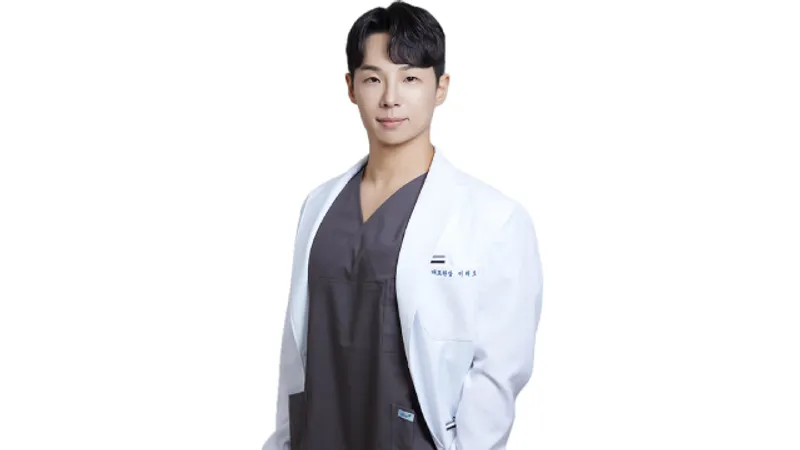
Dr. Chae-ho Lee
Medical Director at Doctorpetit Clinic Hongdae
LED Regeneration Therapy is provided under the care of Dr. Chae-ho Lee. As Medical Director, he is the sole doctor at the clinic, and his core specializations include skin care and facial treatments, and he is a member of the Korean Society of Clinical Aesthetic Medicine. Before treatment, your skin type, concerns, and condition are evaluated so that the appropriate mode and wavelength combination can be selected. The clinic's one-on-one consultation principle means your plan is discussed with the Medical Director directly, with English interpretation available.
Who Is a Good Candidate for LED Regeneration Therapy?
LED is aimed at people who want gentle, regular care without skin damage or pain. You may be a good candidate if you have:
- Sensitive skin that does not tolerate stronger procedures well.
- Acne concerns, particularly inflamed spots.
- Redness.
- A wish to support skin regeneration without significant downtime.
- Skin concerns that can be managed without skin damage or pain.
LED may not be suitable, or may need to be postponed, if you have:
- An active skin infection.
- Significant inflammation needing medical evaluation.
- Photosensitivity, or a skin condition that reacts to light.
- Certain medical conditions or other contraindications to LED or light-based treatment.
- Significant irritation, sunburn, or unusual skin changes, which should be discussed before proceeding.
Suitability is confirmed after an individual skin assessment.
Why patients choose LED
Patients usually look for LED when they want gentle skin care rather than an intensive procedure. Common reasons are skin that reacts easily, recurring breakouts, persistent redness, or a wish to support skin recovery without taking time out. Because the treatment does not damage the skin, it can suit people who have found other facials too harsh, and it can be repeated weekly without the recovery breaks that stronger treatments need.
What to Expect: Procedure, Recovery, and Results Timeline
Before your session
Arrive with clean skin. Tell the clinic about your current skincare products, medications, and any sensitivity to light-based treatments. Avoid introducing potentially irritating skincare treatments immediately before the session unless you are advised otherwise. Follow any individual preparation instructions you are given.
During the session
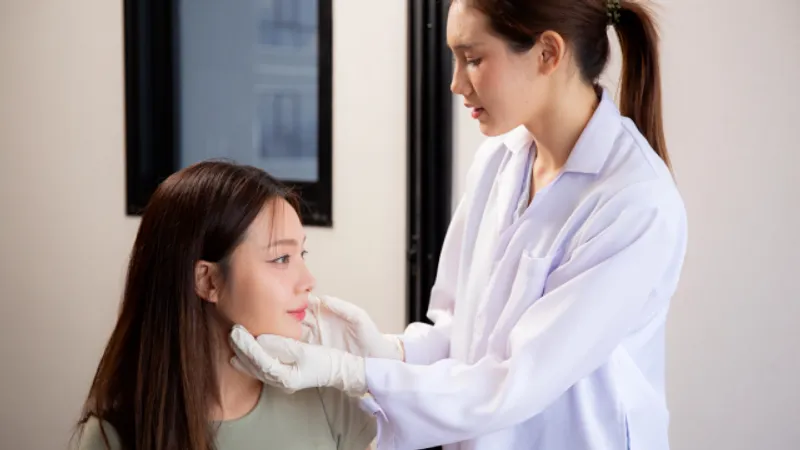
- Skin evaluation: your skin type, concerns, and condition are reviewed.
- Mode selection: the appropriate wavelength or mode is chosen according to your skin.
- Preparation: the skin is prepared for treatment.
- Positioning: the LED device is positioned over the treatment area.
- Light exposure: LED light is delivered for the planned treatment time.
- Moisturizing: a hydrating cream is applied afterwards.
The procedure takes about 20 minutes in total. Anesthesia is not typically required, because the treatment does not damage the skin and is performed without pain.
Recovery and results timeline
| Time after treatment | What usually happens |
|---|---|
| Immediately | Normal activities can usually resume; some people notice changes in skin comfort or appearance |
| First hours | Mild temporary redness, warmth, or sensitivity may occur in some people and usually settles |
| About one week | The next session is usually due, following the recommended weekly interval |
| Over repeated sessions | Results may develop progressively |
| Longer term | Results vary with skin condition, skin type, and treatment goals |
Because LED is non-thermal and non-damaging, significant downtime is generally not expected.
Aftercare
Apply a hydrating cream after the procedure. Use sunscreen whenever you go outdoors. If your skin feels warm or sensitive, keep the rest of your routine gentle until it settles. Persistent or unusual symptoms should be checked by a qualified medical professional.
Planning around your trip
Because the treatment is non-invasive and takes about 20 minutes, an extended stay is generally not expected. A session can usually be completed during an outpatient visit. Repeat sessions at weekly intervals are recommended, so confirm your schedule and any follow-up needs with the clinic before you travel.
Combining LED Regeneration Therapy with Other Treatments
LED regeneration treatment may be combined with other skin-care or rejuvenation procedures when clinically appropriate. The combination is selected according to your skin condition and goals.
- Skin Care & Facial Treatments — LED can be part of a customized facial plan within the same specialty.
- Laser & Skin Rejuvenation — LED can sit within a plan that includes rejuvenation procedures, with the order decided by Dr. Lee.
Tell the clinic about every treatment you are planning during your trip, so that sequence and spacing can be planned safely.
Safety, Precision, and Clinic Standards
Doctorpetit Clinic Hongdae became a Ministry of Health and Welfare-registered provider for international patients in January 2023. Each LED plan starts with an assessment of your skin type, concerns, and condition. The wavelength mode is selected according to skin type rather than fixed for everyone. Photosensitivity and current skin reactions are reviewed before treatment begins.
Known risks
LED light treatments are generally considered gentle. Temporary warmth, mild redness, or skin sensitivity may occur in some patients. Individual reactions vary, and temporary irritation is possible. A proper assessment matters most for people with photosensitivity or relevant skin conditions.
For light treatments in general, the AAD notes that redness and swelling are common after many laser and light procedures and usually fade within hours or by the next day. As a non-thermal treatment, LED sits at the gentle end of that spectrum. Still, if symptoms persist or feel unusual, contact the clinic.
The Bottom Line
- LED Regeneration Therapy uses red, blue, yellow, and near-infrared light without heating or damaging the skin.
- It is recommended for sensitive skin, acne, and redness, and is designed for all skin types.
- A session takes about 20 minutes, needs no anesthesia, and involves little or no downtime.
- The clinic recommends consistent weekly sessions, with results varying by skin type.
- Evidence supports LED light for pimples, but not for blackheads, whiteheads, cysts, or nodules.
Frequently Asked Questions
Is LED light therapy painful?
No. The treatment is non-thermal and non-damaging, and it is performed without pain or skin injury. Anesthesia is not typically required.
What do the four colors of light do?
The device uses red, blue, yellow, and near-infrared wavelengths. The clinic selects the mode according to your skin type and concerns. Together, they are intended to support collagen and elastin, cell regeneration, and relief of inflammation.
Can LED help my acne?
The clinic describes LED as helpful for acne concerns. In general, blue and red light can treat pimples but do not clear blackheads, whiteheads, cysts, or nodules, and results vary. Dr. Lee will explain where LED fits in your acne plan.
How often should I have LED sessions?
The clinic recommends consistent treatment at weekly intervals. Results tend to build with repeated sessions and vary by skin type.
Can LED be used after other treatments?
Yes. LED is often used as an add-on after other treatments, and it may be combined with other skin-care or rejuvenation procedures when clinically appropriate.
What side effects can occur?
Some people notice temporary warmth, mild redness, or sensitivity. These usually settle without significant downtime. Persistent or unusual symptoms should be assessed.
Who should postpone LED?
People with active skin infections, significant inflammation, or conditions requiring medical evaluation may need to wait. Tell the clinic about any photosensitivity first.
Is LED the same as a laser treatment?
No. LED therapy uses light-emitting diodes rather than a laser, and the clinic describes it as non-thermal and non-damaging. That is why it involves no pain and little or no downtime, unlike many laser procedures.
Book a Consultation at Doctorpetit Clinic Hongdae
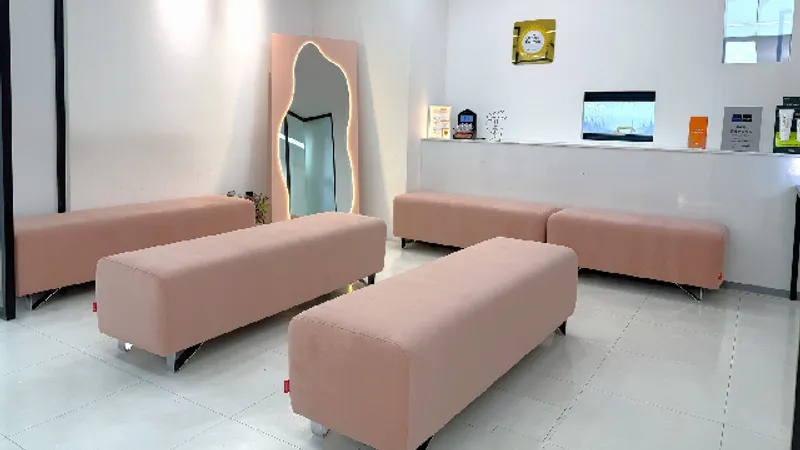
If your skin is sensitive, red, or prone to breakouts, a consultation about LED light therapy in Seoul will help you decide whether gentle light care belongs in your plan. Dr. Lee will select the right mode for your skin. You can reach the clinic straight from Exit 1 of Hongik University Station; it occupies the 8th floor of the Wookdo Building at 151 Yanghwa-ro, Mapo-gu. Make a consultation request and read reviews from past patients.
Disclaimer
Treatment suitability, expected results, recovery time, risks, and potential side effects vary by individual. The information provided is for general informational purposes and does not replace an in-person medical consultation. Patients should discuss their medical history, treatment goals, and individual circumstances with a qualified medical professional before undergoing treatment.
Sources & Further Reading
Ready for Your Personalized Aesthetic Consultation in Hongdae?
Located right at Hongik Univ. Station Exit 1 (8F, 151 Yanghwa-ro, Mapo-gu). Multilingual coordinators for English, Traditional Chinese, and Simplified Chinese patients.