Hongik Univ. Station Exit 1 · 8F · 1:1 Personalized Aesthetic Dermatology
en-US

Pico Toning / Majesty
Pico toning in Seoul with the 250-picosecond PicoCare Majesty laser for pigmentation, tone and pores, performed by Dr. Chae-ho Lee at Doctorpetit Hongdae.
Personalized Consultation & Custom Quote

Pico Toning / Majesty in Seoul

Medically reviewed by Dr. Chae-ho Lee, Medical Director, Doctorpetit Clinic Hongdae; Member, Korean Society of Laser Dermatology & Hair
Doctor profile · Doctorpetit Clinic Hongdae, Seoul
Pico toning in Seoul is a low-downtime laser treatment that fires extremely short picosecond pulses into the skin to break up unwanted pigment and refresh uneven tone. At Doctorpetit Clinic Hongdae it is delivered with PicoCare Majesty, a 250-picosecond system, and a session lasts roughly 5 to 10 minutes. Most people go straight back to their day afterward, and improvement is built gradually over a planned series of visits.
What Is Pico Toning / Majesty?
Pico Toning is a laser toning method that uses pulses measured in trillionths of a second to fragment pigment while limiting the heat that reaches surrounding skin. The clinic uses it for pigmentation, skin renewal, pore improvement, and some scar-related concerns.
- Pulse length is the key variable. PicoCare Majesty delivers energy in 250-picosecond bursts. The clinic describes this as a much faster pulse than conventional laser toning, intended to reduce damage to neighboring tissue and to make the treatment more comfortable.
- Pigment is shattered, then removed. Very short pulses break pigment into finer particles, which the skin then removes over the following days and weeks. This is why tone improves progressively rather than overnight.
- Several wavelengths are available. The system supports 1064 nm and 532 nm, plus 595 nm and 660 nm options, so the beam can be matched to the type and depth of the concern.
- Seven handpieces add flexibility. The clinic states the system comes with seven handpieces, giving the doctor more than one way to deliver the energy.
- Thermal load is kept low. The clinic states that the system is designed to maximize pigment fragmentation while minimizing thermal damage, supporting recovery and safety.
Because each pulse is gentle compared with older resurfacing approaches, Pico Toning is planned as a course. The clinic describes sessions every 1 to 2 weeks, with 5 to 10 or more sessions used to reach the desired effect, depending on skin condition.
Who Performs Pico Toning / Majesty at Doctorpetit Clinic Hongdae

Dr. Chae-ho Lee
Medical Director at Doctorpetit Clinic Hongdae
Dr. Chae-ho Lee, the Medical Director and the clinic's only physician, performs Pico Toning at Doctorpetit Clinic Hongdae. Pico Toning appears by name among the techniques he lists under his laser and skin rejuvenation work, and he is a member of the Korean Society of Laser Dermatology & Hair. Every course begins with a one-on-one consultation in which he examines the pigment, decides whether picosecond toning is the right tool, and selects wavelength, handpiece, and settings. Because the same doctor reviews your skin at each return visit, settings can be adjusted from session to session based on how your skin actually responded.
Pico Toning Options: Device Settings and Applications
PicoCare Majesty is a single platform, but the clinic uses it for several different goals. The table below summarizes what the clinic states about the device and the concerns it treats with it.
| Element | What the clinic states |
|---|---|
| Pulse duration | 250 picoseconds |
| Main wavelengths | 1064 nm and 532 nm |
| Additional wavelengths | 595 nm and 660 nm |
| Handpieces | Seven |
| Core applications | Pigmentation, skin renewal, pore improvement, scar improvement |
| Further applications considered | Uneven tone, sun damage, certain types of melasma, selected redness-related concerns |
| Session time | About 5–10 minutes |
| Interval and course | Every 1–2 weeks; 5–10 or more sessions depending on skin condition |
Pigmentation and uneven tone
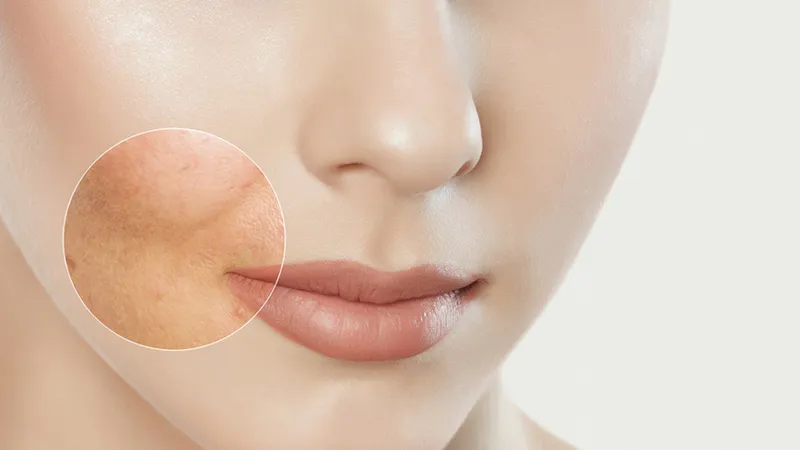
This is the most common reason people book. Pico Toning is aimed at scattered pigment, blotchy tone, freckles, and other superficial pigment concerns. Results depend heavily on what kind of pigment is present, which is why an in-person assessment matters more than a photo.
Melasma
The clinic lists certain types of melasma among the concerns Pico Toning may address. Melasma is a chronic, relapsing condition, so expectations should focus on improvement and maintenance rather than a one-time fix. Outside evidence is mixed by wavelength: a meta-analysis of six randomized trials found that 1064 nm picosecond laser significantly reduced melasma severity scores, while 755 nm picosecond laser did not significantly outperform topical lightening agents and was linked to post-inflammatory hyperpigmentation (Lasers in Medical Science — picosecond laser for melasma, systematic review and meta-analysis). The same analysis reported high heterogeneity between studies, so these pooled figures are a guide rather than a promise.
Pores, texture, and scar-related concerns
The clinic also describes skin renewal, pore improvement, and scar improvement as applications. For deeper textural scarring, a different device in the same specialty may be more suitable, and that decision is made during consultation.
Who Is a Good Candidate for Pico Toning / Majesty?
Suitability depends on your pigment type, skin condition, and medical history.
You may be a good candidate if you:
- Have uneven pigmentation, blotchy tone, or freckles.
- Have sun-related pigment or general sun damage.
- Have certain forms of melasma and understand that maintenance is usually needed.
- Want help with visible pores or selected texture concerns.
- Prefer a short procedure that interrupts daily life very little.
- Can return for repeat sessions at 1–2 week intervals, or plan a series across trips.
- Are willing to protect your skin from the sun between sessions.
Pico Toning may not be suitable, or may need to be postponed, if you:
- Have an active skin infection or inflammation in the treatment area.
- Have significantly irritated or sunburned skin.
- Have a photosensitive condition or take medication that increases light sensitivity, which should be discussed first.
- Have another condition that makes laser treatment inappropriate, as judged at consultation.
- Have a history of abnormal pigment changes after procedures, which needs to be raised before any settings are chosen.
What to Expect: Procedure, Recovery, and Results Timeline
Before your appointment
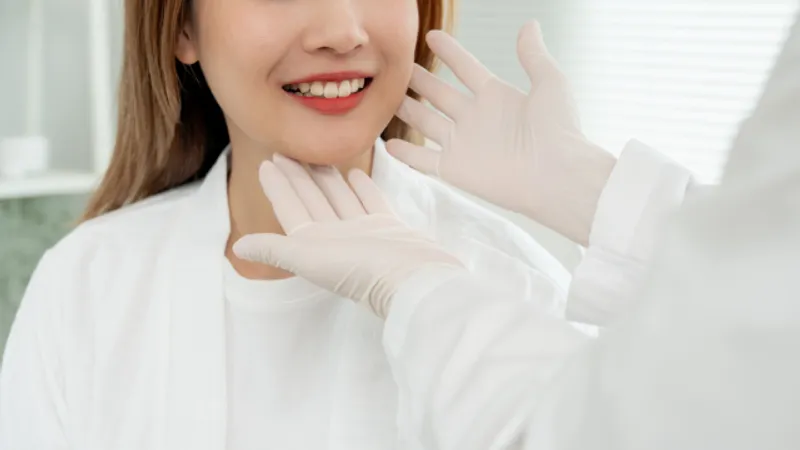
Keep sun exposure to a minimum and avoid tanning in the period before treatment. Avoid irritating skin procedures right before your session unless the doctor has agreed to them. Tell the doctor about your medications, skin conditions, recent procedures, and any history of unusual pigmentation. Arrive with clean skin unless you are told otherwise.
On the day
- Assessment. Dr. Lee examines your skin to identify the type of pigment and any other concerns.
- Planning. He selects the laser settings, wavelength, and handpiece for your skin.
- Preparation. The treatment area is cleansed and prepared.
- Laser pass. The pico laser is applied across the selected areas. The session itself takes about 5–10 minutes.
- Skin check. Your skin is checked after the pass.
- Aftercare briefing. You receive routine aftercare instructions and, if a course is planned, your next interval.
Pico Toning is a non-invasive laser treatment, so it is generally done without injectable or general anesthesia. The clinic notes that numbing measures may vary, and individual sensitivity differs.
Recovery and results
| Timing | What typically happens |
|---|---|
| Immediately after | The clinic states you can resume daily activities right away. Mild warmth or redness may be present. |
| First few days | Temporary redness, sensitivity, or dryness can occur and usually settles. |
| Early in the course | Pigment may look darker for a short time before it gradually improves. |
| After each session | Some improvement in pigment or tone may become noticeable, though timing varies by condition. |
| Every 1–2 weeks | Next session, depending on skin condition. |
| Over 5–10+ sessions | The cumulative effect is assessed across the course rather than after one visit. |
| Longer term | Results and longevity vary, and pigment concerns can return, so maintenance may be needed. |
Aftercare
Use gentle skin care and keep the skin moisturized. Protect treated skin from the sun. Avoid unnecessary irritation, such as harsh scrubs, until the skin has settled. Follow the individual instructions you are given. Contact the clinic promptly if you notice severe pain, blistering, worsening swelling, or unusual skin changes.
Combining Pico Toning / Majesty with Other Treatments
Pigment rarely appears on its own. Many people also have enlarged pores, uneven texture, or loss of radiance. The clinic organizes dedicated pigmentation packages and pore & scar packages around combined skin concerns, and it states that a combination may be considered when different concerns call for different approaches. Any pairing is decided after a skin assessment rather than assumed for every patient.
Within the same specialty, Potenza and IPL Photorejuvenation address different concerns from picosecond toning. Outside it, Skin Boosters & Biostimulators and Skin Care & Facial Treatments may be discussed when hydration or surface texture is the main issue. Whether any of these belong in your plan, and in what order, is a decision for your consultation.
Safety, Precision, and Clinic Standards
- Foreign-patient care at Doctorpetit Clinic Hongdae runs under a Ministry of Health and Welfare registration that took effect in January 2023.
- Each Pico Toning course is planned in a one-on-one consultation with the Medical Director.
- The device the clinic names for this service is PicoCare Majesty.
- The clinic states that faster pulse delivery is intended to reduce damage to surrounding tissue.
- Settings, wavelength, and handpiece are chosen according to individual skin condition.
Risks and side effects
Common, temporary effects include redness, warmth, sensitivity, dryness, and short-lived changes in pigment. Less commonly, prolonged redness, irritation, burns, blistering, crusting, or scarring can occur. Pigmentation can also worsen in susceptible skin. Individual risk depends on skin type, treatment settings, and the condition being treated.
Skin of color deserves particular care. The American Academy of Dermatology's guide to skin conditions lasers can treat explains that laser treatment is possible for every skin type, yet brown and Black skin carries a greater chance of burns and of dark marks afterward. Picosecond devices are not exempt from this; the melasma meta-analysis above linked one picosecond wavelength to post-inflammatory hyperpigmentation. Conservative settings, careful session spacing, and strict sun protection are the practical safeguards.
The Bottom Line
- Pico Toning uses 250-picosecond pulses from PicoCare Majesty to break up pigment with limited heat spread.
- A session takes about 5–10 minutes, and you can return to daily activities immediately.
- Results build across a course, typically every 1–2 weeks for 5–10 or more sessions.
- Dr. Chae-ho Lee, who lists Pico Toning among his laser techniques, performs every treatment.
- Darker skin and melasma call for cautious settings, sun protection, and realistic expectations about maintenance.
Frequently Asked Questions
How is Pico Toning different from regular laser toning?
The main difference is pulse length. The clinic explains that Pico Toning uses a much faster pulse than conventional laser toning, which is intended to reduce surrounding tissue damage and discomfort while still targeting pigment. In practice this tends to mean a quick, low-downtime session.
How many Pico Toning sessions will I need?
The clinic describes 5 to 10 or more sessions, spaced 1 to 2 weeks apart, depending on your skin. The number depends on the type of pigment and how your skin responds. Progress is reviewed over the course rather than judged after one treatment.
Does Pico Toning hurt?
Injectable or general anesthesia is not used for this non-invasive laser. Comfort measures may vary and are discussed at consultation.
Can I fly home right after Pico Toning?
Because there is no surgical wound and daily activities can resume immediately, flying soon after a session is generally possible. If you notice unusual redness, swelling, or blistering, contact the clinic before you travel. Keep the treated skin protected from the sun while you travel.
Why did my spots look darker after treatment?
Pigment can temporarily appear darker before it gradually fades, depending on the condition treated. This is a known short-term effect of breaking up pigment. If darkening persists or spreads, tell the doctor at your next visit.
How long should I stay in Seoul for Pico Toning?
One session fits easily into a short visit and can often be done within a single day. A full course needs either a longer stay or several return trips, because sessions are spaced 1 to 2 weeks apart. Your schedule depends on the plan agreed at consultation.
Is Pico Toning suitable for darker skin tones?
It can be considered, but darker skin carries a higher risk of dark marks after any laser. Mention past pigment changes, recent tanning, and any light-sensitizing medication at your consultation. Dr. Lee can then choose more conservative settings and spacing, and strict sun protection between visits becomes even more important.
Will my doctor speak English?
The clinic states that English consultation interpretation is always available. You can discuss your goals, settings, and aftercare in English.
Book a Consultation at Doctorpetit Clinic Hongdae
If you are weighing Pico Toning in Seoul for pigment or uneven tone, the first step is a personal skin assessment with Dr. Chae-ho Lee, who will tell you whether picosecond toning suits your pigment type and how many sessions he would plan. English interpretation is available throughout. Doctorpetit Clinic Hongdae occupies the 8th floor of the Wookdo Building (151 Yanghwa-ro, Mapo-gu), right by Hongik University Station Exit 1. Send a consultation request, and look through the clinic's before-and-after gallery while you plan.
Disclaimer
Treatment suitability, expected results, recovery time, risks, and potential side effects vary by individual. The information provided is for general informational purposes and does not replace an in-person medical consultation. Patients should discuss their medical history, treatment goals, and individual circumstances with a qualified medical professional before undergoing treatment.
Sources & Further Reading
Ready for Your Personalized Aesthetic Consultation in Hongdae?
Located right at Hongik Univ. Station Exit 1 (8F, 151 Yanghwa-ro, Mapo-gu). Multilingual coordinators for English, Traditional Chinese, and Simplified Chinese patients.