Hongik Univ. Station Exit 1 · 8F · 1:1 Personalized Aesthetic Dermatology
en-US

Skin Scaling
Skin scaling in Seoul: a 20-minute medical exfoliation that lifts dead skin and excess sebum, performed by Dr. Chae-ho Lee at Doctorpetit Clinic Hongdae.
Personalized Consultation & Custom Quote

Skin Scaling in Seoul

Medically reviewed by Dr. Chae-ho Lee, Medical Director, Doctorpetit Clinic Hongdae; Member, Korean Society of Clinical Aesthetic Medicine
Doctor profile · Doctorpetit Clinic Hongdae, Seoul
Skin scaling in Seoul is a short in-clinic medical exfoliation that clears away old dead skin cells and excess sebum from the skin's surface. At Doctorpetit Clinic Hongdae, a session takes about 20 minutes, needs no anesthesia, and is usually repeated every one to two weeks. The clinic describes it as helping texture, the look of pores, brightness, acne concerns, and pigmentation.
What Is Skin Scaling?
Skin scaling is a surface-renewal treatment that gently lifts accumulated dead skin cells and surplus oil off the outermost layer of the skin, leaving a smoother, cleaner base.
- Dead-cell removal: old cells that pile up on the surface, and that can make skin feel rough and look dull, are lifted away.
- Sebum control: excess oil sitting on the surface is removed along with the cell buildup.
- Pore appearance: with buildup and oil cleared, pores can look less clogged.
- Brightness: a fresh surface tends to reflect light more evenly than a layer of dead cells.
- Preparation: because it clears the surface, scaling is also used to prepare the skin for the rest of a skin-care routine.
In plain terms, Korean skin scaling is a medical exfoliation rather than a spa scrub. It is chosen after a skin assessment, and the approach can be adjusted to how oily, sensitive, or acne-prone your skin is on the day.
How skin scaling compares with neighbouring facials
The skin-care menu at Doctorpetit Clinic Hongdae includes several other options, and the right one depends on the concern you want to address.
- Skin scaling versus peels: the clinic also offers Aqua, LHA, Black, and Aladdin peels. Scaling is the shorter visit at about 20 minutes, while an LHA peel takes about 40 minutes.
- Skin scaling versus calming treatments: sono, LDM, cryo, and LED care are aimed more at soothing or hydrating the skin than at clearing surface buildup.
- Skin scaling versus brightening infusion: iontophoresis focuses on tone by helping a vitamin ampoule into the skin, rather than on exfoliation.
If your main issue is oil, rough texture, or a congested-looking surface, scaling is a logical starting point. If your skin is reactive or red, a calming treatment may be suggested first.
Who Performs Skin Scaling at Doctorpetit Clinic Hongdae

Dr. Chae-ho Lee
Medical Director at Doctorpetit Clinic Hongdae
Skin scaling at Doctorpetit Clinic Hongdae is performed under Dr. Chae-ho Lee, the Medical Director and the clinic's only physician, who is named as the performing doctor for this treatment. Skin care and facial treatments are listed among his core areas of practice. The clinic works on a one-on-one consultation principle, so Dr. Lee reviews your skin and decides whether scaling is appropriate, or whether another facial suits you better. English consultation and interpretation are available throughout the visit.
Who Is a Good Candidate for Skin Scaling?
According to the clinic, skin scaling suits people who want smoother texture or who produce a lot of sebum and need dead-skin removal. You may be a good candidate if you have:
- Excess sebum or a shiny, oily complexion.
- Rough or uneven texture.
- Clogged-looking pores.
- Dullness caused by buildup of dead skin cells.
- Acne-prone skin, as part of a broader care plan.
- Pigmentation concerns where a fresher surface is a first step.
Skin scaling may not be suitable, or may need to wait, if you have:
- Significant active irritation in the treatment area.
- Open wounds or broken skin.
- A skin infection.
- Severe inflammation.
- Recent aggressive exfoliation or another skin procedure that has left the skin sensitive.
Suitability is decided individually at consultation. If scaling is not the right choice on the day, the treatment can be postponed until the skin recovers.
Questions worth raising at your consultation
A short conversation before treatment helps match the approach to your skin. Useful points to cover include:
- Whether your main concern is oil, texture, pores, dullness, acne, or pigmentation, since this shapes the plan.
- Any recent peels, exfoliating acids, or other procedures, which may mean waiting.
- How sensitive your skin usually is, and whether it reacts to new products.
- How many sessions fit your time in Seoul, given the one-to-two-week interval.
- Whether another facial in the same category would serve your goal better.
What to Expect: Procedure, Recovery, and Results Timeline
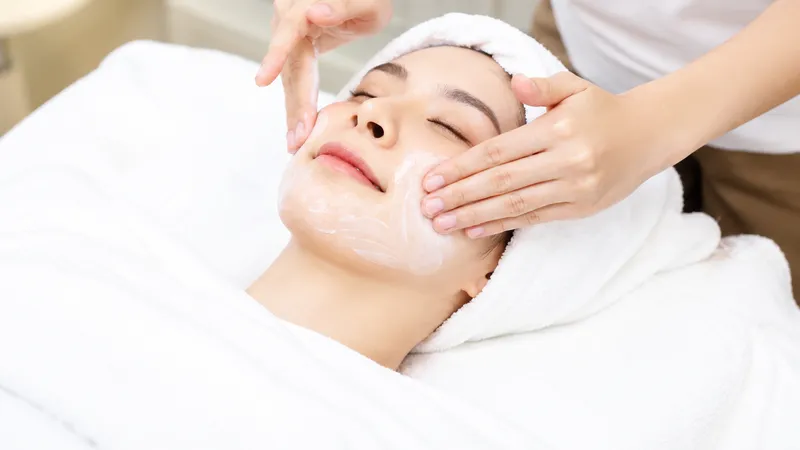
Before your appointment
Come with clean skin. In the days beforehand, skip scrubs, aggressive exfoliation, and other irritating skin-care products. Tell the clinic about any active irritation, recent exfoliation, or other skin treatments. Preparation details may vary with the scaling approach chosen for you.
On the day
- Assessment: your texture, oiliness, sensitivity, and acne-related concerns are checked.
- Preparation: the skin is cleansed and prepared.
- Scaling: accumulated dead skin cells and sebum are removed from the surface.
- Check: the skin is examined after treatment.
- Soothing: basic calming and moisturizing care is applied as appropriate.
The whole treatment takes about 20 minutes. Anesthesia is not typically needed. Discomfort is generally mild, although sensitivity can vary with your skin's condition.
Recovery and results
| Time after treatment | What to expect |
|---|---|
| Immediately | Skin may feel smoother. Temporary redness is possible. |
| Following days | Redness, mild sensitivity, slight flaking, or a temporary breakout can appear and should soon subside. |
| Days 1–7 | Keep skin moisturized, apply sunscreen before going out, and put scrubs and peeling products aside. |
| One to two weeks later | Your following scaling session is typically booked. |
| After 3 or more sessions | The clinic describes this course as effective for continued care. |
Downtime is generally limited, and most people return to normal activities straight away. Recovery varies with skin condition and treatment intensity. Results can be noticeable after a session, but timing differs by skin type. Because dead cells and oil keep building up, scaling works as ongoing care rather than a one-time fix.
Planning around a trip to Seoul
An extended stay is generally not needed for skin scaling. As an outpatient treatment, a stay of one to two days is usually enough for a single session. The clinic states that patients can fly home right after the treatment. If you would like a course of three or more sessions, plan around the one-to-two-week interval or ask about scheduling. Because a session is short, it can fit around sightseeing. The clinic opens daily from 10:30, with last registration at 18:00 on weekdays and 15:00 at weekends. It closes on the last Sunday of every month, so check that date if your stay is brief.
Combining Skin Scaling with Other Treatments
The clinic offers acne-care packages and customizable skin-care packages, so scaling can sit alongside other facials in one plan. Which combination fits, and in what order, is decided at consultation. Options in the same category include Chemical & Hydra Peel Treatments, LED Regeneration Therapy, and sono Skin Care, chosen according to whether your priority is exfoliation, calming, or hydration.
Safety, Precision, and Clinic Standards
- Doctorpetit Clinic Hongdae is a foreign-patient medical institution registered with Korea's Ministry of Health and Welfare.
- That registration dates from January 2023.
- Every plan begins with a one-on-one consultation with the Medical Director.
- The approach is adjusted to skin type and condition before scaling begins.
- Temporary redness and temporary breakouts are the most common reactions.
- Irritation, dryness, sensitivity, and mild peeling can also occur.
- Over-exfoliation can increase sensitivity or cause pigmentation changes.
General guidance on exfoliation
Exfoliation of any kind can leave skin red and irritated if it is overdone, and the right method depends on skin type, according to the American Academy of Dermatology's guide to safe exfoliation. The same guide advises against exfoliating skin that has open cuts or wounds or is sunburned. That is why spacing sessions and skipping home scrubs for a week afterward both matter.
Freshly exfoliated skin also benefits from daily sun protection. Broad-spectrum sunscreen with SPF 30 or higher is the general recommendation, according to the American Academy of Dermatology's sunscreen FAQs.
If redness, irritation, or a breakout lasts longer than expected, contact the clinic. Persistent or unusual symptoms after you return home should also be checked by a local medical professional.
The Bottom Line
- Skin scaling removes old dead skin cells and excess sebum from the skin's surface.
- It is described as helping texture, pores, brightness, acne concerns, and pigmentation.
- A session lasts about 20 minutes, with no anesthesia and little downtime.
- Sessions every one to two weeks, three or more in total, are recommended for continued care.
- Moisturizer, sunscreen, and a one-week break from scrubs and peels protect the result.
Frequently Asked Questions
Does skin scaling hurt?
Most people feel only mild discomfort. How it feels depends on your skin's condition that day, and sensitive or irritated skin may notice it more. Numbing is not usually required.
How is skin scaling different from a regular facial?
It is a targeted medical exfoliation chosen after a skin assessment, not a relaxation treatment. The goal is to clear dead cells and excess oil so texture and pores look better.
How many sessions will I need?
The clinic suggests a session every one to two weeks. It describes three or more sessions as effective for ongoing care, and results vary by skin type.
Can I wear makeup or use my usual products afterward?
Keep your routine gentle for about a week. Moisturize well, use sunscreen when you go out, and leave scrubs and peeling products aside until that week has passed.
Will I break out after skin scaling?
A temporary breakout can happen after treatment. It is described as generally subsiding. Tell the clinic if it lasts or worsens.
Can I fly home the same day?
Yes, according to the clinic. Skin scaling is an outpatient treatment without a recovery stay, so a one- to two-day visit to Seoul is usually sufficient for a session.
What should I do if my skin reacts after I get home?
Get in touch with the clinic through its website or by phone and describe what you are seeing. Redness or irritation that persists, or anything unusual, should also be examined by a doctor where you live.
Is skin scaling suitable for acne-prone skin?
Acne-prone skin is one of the concerns the clinic lists for this treatment. Active infection or severe inflammation, however, may mean waiting, so Dr. Lee assesses your skin first.
Book a Consultation at Doctorpetit Clinic Hongdae
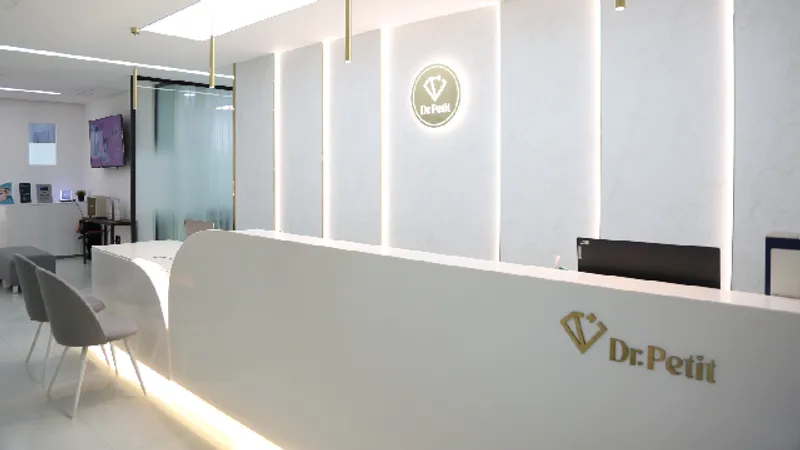
To find out whether skin scaling in Seoul suits your skin, book a one-on-one assessment with Dr. Lee; English interpretation is available. Look for the Wookdo Building at 151 Yanghwa-ro in Mapo-gu; the clinic is on its 8th floor, and Hongik University Station Exit 1 opens just outside. You can send an appointment request online and read what other patients have said before you travel.
Disclaimer
Treatment suitability, expected results, recovery time, risks, and potential side effects vary by individual. The information provided is for general informational purposes and does not replace an in-person medical consultation. Patients should discuss their medical history, treatment goals, and individual circumstances with a qualified medical professional before undergoing treatment.
Sources & Further Reading
Ready for Your Personalized Aesthetic Consultation in Hongdae?
Located right at Hongik Univ. Station Exit 1 (8F, 151 Yanghwa-ro, Mapo-gu). Multilingual coordinators for English, Traditional Chinese, and Simplified Chinese patients.