Hongik Univ. Station Exit 1 · 8F · 1:1 Personalized Aesthetic Dermatology
en-US

Tattoo Removal
Laser tattoo removal in Seoul: gradual fading over multiple sessions, planned around ink color and depth, by Dr. Chae-ho Lee at Doctorpetit Clinic Hongdae.
Personalized Consultation & Custom Quote

Tattoo Removal in Seoul

Medically reviewed by Dr. Chae-ho Lee, Medical Director, Doctorpetit Clinic Hongdae; Member, Korean Society of Laser Dermatology & Hair
Doctor profile · Doctorpetit Clinic Hongdae, Seoul
Laser tattoo removal is a treatment that fades unwanted tattoo pigment gradually, over multiple sessions, rather than erasing it in one visit. At Doctorpetit Clinic Hongdae in Seoul, tattoo removal is planned around the tattoo's colors, ink density, pigment depth, and the technique used to apply it. Visible improvement commonly begins around the fifth session, and some tattoos need 9–10 or more.
What Is Laser Tattoo Removal?
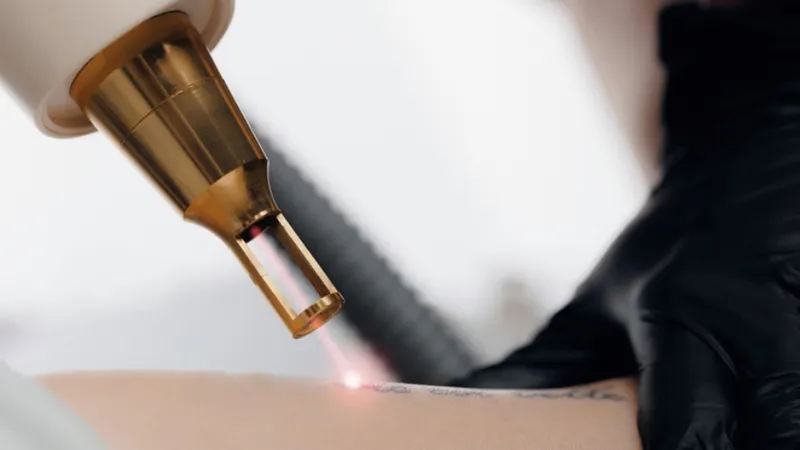
Laser tattoo removal is a laser-based procedure, carried out over a series of sessions, that breaks up tattoo ink in the skin so the body can clear it and the design gradually fades.
- Ink sits deep: tattoo needles deposit ink in the dermis, the second layer of skin, where cells are stable, which is why tattoos are meant to last, as the U.S. Food and Drug Administration explains.
- Shattering the pigment: laser light energy breaks tattoo ink into small particles, which the body's immune system then clears over time, according to the same FDA guidance.
- Color matters: because different ink colors absorb different wavelengths, multicolored tattoos can be harder to treat than single-color ones.
- A series, not a single visit: the clinic states that removal is performed over multiple sessions, with the number varying by color, density, depth, and tattooing technique.
- Gradual fading: improvement is progressive, so the realistic goal is a steady reduction in visible pigment rather than an overnight change.
Why some tattoos take longer than others
No two tattoos respond in exactly the same way. Dense, professionally applied ink placed deep in the skin usually needs more sessions than a lighter, shallower one. The FDA notes that green, red, and yellow are among the hardest colors to remove, while dark blue and black are the easiest. It also warns that flesh-colored and white inks, and permanent makeup, can oxidize and turn black when treated, and that complete removal may not be possible in every case.
The clinic adds a related observation from its own practice: some red tattoo pigments may temporarily appear black during treatment. Knowing this in advance helps you read the changes you see between sessions.
Removal versus other approaches
Alternatives include camouflage approaches or, in selected cases, other dermatologic procedures. The FDA describes laser treatment as the most common method health care professionals use to remove or lighten tattoos. It describes older methods, such as dermabrasion or surgical removal, as having more variable results and a greater potential for scarring. Do-it-yourself removal creams are not a substitute: the FDA has not approved any tattoo removal ointment or cream.
Who Performs Tattoo Removal at Doctorpetit Clinic Hongdae

Dr. Chae-ho Lee
Medical Director at Doctorpetit Clinic Hongdae
Tattoo removal at Doctorpetit Clinic Hongdae is carried out under Dr. Chae-ho Lee, the Medical Director and the only physician at the clinic. Laser and skin rejuvenation is one of his stated core specializations, and he is a member of the Korean Society of Laser Dermatology & Hair. Before any treatment, he assesses the tattoo's color, density, pigment depth, and size, along with any scarring or skin changes already present. Those findings determine the treatment plan and the likely number of sessions. English consultation and interpretation are available.
Who Is a Good Candidate for Tattoo Removal?
You may be a good candidate if you:
- Have an unwanted tattoo, whether older, faded, or one you have changed your mind about.
- Have a tattoo whose design has changed over time or that no longer fits your life.
- Accept that fading is gradual and that many sessions may be needed.
- Are medically suitable for laser treatment.
- Can protect the treated area and follow aftercare instructions between sessions.
Treatment may need to be postponed or reconsidered if:
- The skin in the area is infected or significantly inflamed.
- The area is irritated, sunburned, or not fully healed.
- There is another condition that could interfere with healing.
- The tattoo already has raised scars, which can increase the possibility of further scarring and needs careful discussion first.
Medical assessment comes before every course of treatment.
Setting realistic expectations
The most useful mindset is to think in terms of a project measured in months rather than a single appointment. Early sessions often produce subtle changes, and it is common to wonder whether anything is happening. The clinic's experience is that noticeable improvement commonly appears around the fifth session. Because each tattoo's color, density, and depth differ, comparing your pace with someone else's is rarely helpful.
What to Expect: Procedure, Recovery, and Results Timeline
Before your first session
Keep the treatment area clean. Avoid tanning, sunburn, harsh exfoliation, and other procedures that could irritate the skin. At consultation, tell the clinic about previous tattoo-removal treatments, past skin reactions, existing scars in the area, skin conditions, and medications. Follow any individual preparation instructions you are given.
How a course of treatment unfolds
- Tattoo assessment: Dr. Lee examines the tattoo's color, density, pigment depth, size, and any existing scarring or skin changes.
- Treatment plan: based on that assessment, he outlines the approach and the expected number of sessions.
- Pain control: depending on the area and your sensitivity, topical or other pain-control measures may be considered.
- Laser treatment: the laser is applied to the tattoo; most people feel a snapping, stinging, or warming sensation.
- Aftercare: you receive wound-care and skin-care instructions for the treated area.
- Healing interval: the skin is allowed to settle before the next session is scheduled.
Each session is one step in a longer series. The FDA notes that laser tattoo removal generally involves several treatments separated by a few weeks so the skin can heal.
Recovery and results timeline
| Stage | What usually happens |
|---|---|
| Right after a session | Redness, swelling, warmth, sensitivity, or tenderness in the treated area |
| Following days | Mild crusting may form; the skin heals gradually |
| Between sessions | The treated area needs time to settle before the next treatment |
| First few sessions | Changes are often subtle; some red inks may look temporarily black |
| Around the fifth session | Noticeable improvement commonly begins |
| 9–10 or more sessions | Needed in some cases for more pronounced improvement |
Recovery varies with treatment intensity and the individual. The overall endpoint depends on the tattoo's color, density, depth, and the technique used to create it.
Aftercare
Follow the wound-care and skin-care instructions you are given. Avoid unnecessary irritation of the treated area. Protect it from excessive sun while the skin recovers. The American Academy of Dermatology's tattoo removal guidance recommends shielding laser-treated skin from the sun for three months, ideally with clothing that covers the area.
Planning around your trip
You do not need to remain in Korea for the entire course, because sessions are spaced out over time. A single session can usually be completed in one clinic visit, and a short stay is generally enough, depending on how your skin responds. You can generally fly home once you are comfortable and the treated area has been checked. If significant redness, swelling, or another reaction develops, Dr. Lee may suggest waiting. Completing removal is likely to involve additional visits or a return trip.
Combining Tattoo Removal with Other Treatments
When a tattoo has both pigment and raised scarring, the clinic states that scar treatment may be performed alongside tattoo removal, with the aim of addressing both concerns. This is assessed case by case at consultation, because existing raised scars also affect the risk of further scarring.
Safety, Precision, and Clinic Standards
Since January 2023, Doctorpetit Clinic Hongdae has been on Korea's Ministry of Health and Welfare register of institutions that may treat patients from abroad. Every tattoo is assessed for color, density, depth, size, and scarring before a plan is set. Treatment is postponed over skin that is infected, inflamed, sunburned, or unhealed. Existing raised scars are identified first, because they change the risk picture.
Known risks
Temporary redness, swelling, tenderness, blistering, crusting, or changes in skin pigmentation may occur after laser tattoo removal. Tattoos with existing raised scars or substantial pigment may carry a higher possibility of additional scarring. Some red pigments can temporarily turn black during treatment. Less commonly, scarring or a change in skin texture can occur, and existing tattoo-related scars may remain or need separate treatment.
The FDA lists possible scarring, infection, pinpoint bleeding, redness, and soreness as risks of laser tattoo removal, and notes that the treated skin can end up lighter than the surrounding skin. According to the AAD, light or dark spots that develop after laser tattoo removal tend to fade within 6 to 12 months.
The Bottom Line
- Laser tattoo removal fades ink gradually across multiple sessions; it is not a one-visit treatment.
- Color, ink density, pigment depth, and tattooing technique all affect how many sessions you need.
- The clinic notes improvement commonly begins around the fifth session, with some tattoos needing 9–10 or more.
- Existing raised scars raise the possibility of further scarring and can be treated alongside removal.
- You do not need to stay in Korea for the whole course.
Frequently Asked Questions
How many sessions does tattoo removal take?
It varies with the tattoo's colors, ink density, pigment depth, and how it was applied. The clinic notes that improvement is commonly noticed from around the fifth session. Some tattoos need 9–10 or more treatments before a clear change is seen.
Does laser tattoo removal hurt?
Most people describe a snapping, stinging, or warming sensation during treatment. Depending on the area and your sensitivity, topical or other pain-control measures may be considered.
Why did my red tattoo turn darker?
Some red tattoo pigments can temporarily appear black during laser treatment. Dr. Lee will explain what this means for your tattoo and how it affects the plan.
Will the tattoo be completely gone?
Removal is gradual, and the endpoint differs from tattoo to tattoo. Category guidance from the FDA notes that complete removal is not always possible. A realistic outlook for your tattoo is part of the consultation.
Can I treat a tattoo that has raised scars?
Yes, but existing raised scars increase the possibility of additional scarring. The clinic may perform scar treatment alongside tattoo removal to address both concerns.
Do I have to stay in Korea for the whole course?
No. Sessions are spaced out to let the skin heal, so you can have a session during your visit and return later. A single session generally needs only a short stay.
What should I avoid before a session?
Avoid tanning, sunburn, harsh exfoliation, and other procedures that irritate the area. Keep the skin clean and tell the clinic about any earlier removal attempts.
What does the skin look like after a session?
The treated area may be red, swollen, warm, or tender, and mild crusting can follow. The skin generally heals gradually after each session. Follow the wound-care and sun-protection instructions to support healing.
Book a Consultation at Doctorpetit Clinic Hongdae
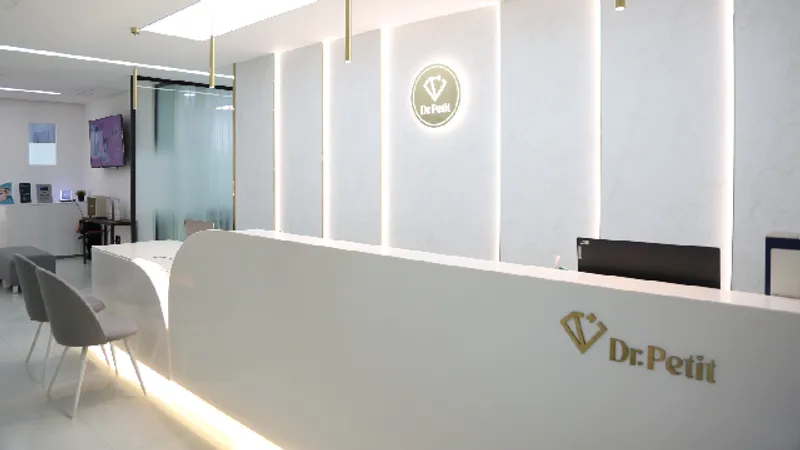
If you are ready to fade a tattoo you no longer want, a consultation about tattoo removal in Seoul with Dr. Lee will give you a realistic session estimate based on your ink and skin. Take Exit 1 at Hongik University Station and the Wookdo Building, 151 Yanghwa-ro, Mapo-gu, is right there; the clinic occupies its 8th floor. Request a consultation and see what other patients have said about their visits.
Disclaimer
Treatment suitability, expected results, recovery time, risks, and potential side effects vary by individual. The information provided is for general informational purposes and does not replace an in-person medical consultation. Patients should discuss their medical history, treatment goals, and individual circumstances with a qualified medical professional before undergoing treatment.
Sources & Further Reading
Ready for Your Personalized Aesthetic Consultation in Hongdae?
Located right at Hongik Univ. Station Exit 1 (8F, 151 Yanghwa-ro, Mapo-gu). Multilingual coordinators for English, Traditional Chinese, and Simplified Chinese patients.