Hongik Univ. Station Exit 1 · 8F · 1:1 Personalized Aesthetic Dermatology
en-US

Titanium Lifting
Titanium Lifting in Seoul: a triple-wavelength laser that tightens and brightens skin with no downtime, performed by Dr. Chae-ho Lee in Hongdae, Korea.
Personalized Consultation & Custom Quote

Titanium Lifting in Seoul

Medically reviewed by Dr. Chae-ho Lee, Medical Director, Doctorpetit Clinic Hongdae; Member, Korean Society of Aesthetic Plastic Laser Medicine
Doctor profile · Doctorpetit Clinic Hongdae, Seoul
Titanium lifting in Korea is a non-invasive laser treatment that fires three wavelengths of laser light at once to tighten facial tissue, stimulate collagen, and brighten skin tone in a single session. It is a laser, not a radiofrequency (RF) device, and built-in sapphire contact cooling means most people need no numbing cream. At Doctorpetit Clinic Hongdae in Seoul, a full-face session with the Medical Director takes about 20 to 30 minutes and leaves no recovery downtime.
What Is Titanium Lifting?
Titanium Lifting is a non-surgical laser lifting treatment that emits 755 nm, 810 nm, and 1064 nm wavelengths simultaneously, heating several skin depths in one pass to firm lax tissue, sharpen facial contour, and improve tone and brightness.
- Three wavelengths, three depths. Each wavelength is absorbed at a different depth, so one pass warms the skin from the upper layers to deeper tissue rather than a single plane.
- Heat-driven tightening. Controlled thermal energy causes an immediate contraction effect and starts a collagen-building response that continues for about two to four weeks.
- Brightening as well as lifting. Because the treatment also acts on the upper skin, it can leave the complexion looking clearer and more even, not only firmer.
- Cooling built into the handpiece. A sapphire contact-cooling surface keeps skin temperature comfortable throughout energy delivery, which is why anesthesia is usually unnecessary.
- No needles or incisions. The laser works through intact skin, so there are no puncture marks to hide afterward.
The device behind the treatment is Soprano Titanium, made by Alma. The manufacturer describes it as the first platform to emit 755, 810, and 1064 nm simultaneously and pairs it with ICE Plus sapphire-tip cooling that continuously chills the skin surface (Alma — Soprano Titanium). Alma markets Soprano Titanium primarily as a laser hair removal platform, and its published clinical studies focus on hair removal. Using the same triple-wavelength laser for facial tightening is a separate application, and peer-reviewed evidence specific to lifting with this device is limited. That is worth knowing before you choose it, and it is one reason the result is described as a firming and brightening effect rather than a structural lift.
Titanium Lifting compared with ultrasound and RF
Patients often ask how this laser fits beside Ultherapy or Thermage. The short answer is that each energy type works at a different level.
| Approach | Energy | Main focus | Numbing | Session time |
|---|---|---|---|---|
| Titanium Lifting | Laser, three wavelengths at once | Multi-depth tightening plus surface brightening | Usually not needed | About 20–30 min |
| Focused ultrasound (for example, Ultherapy) | Micro-focused ultrasound | Deep fascia, including the SMAS | Topical cream | Longer |
| Monopolar RF (for example, Thermage) | Radiofrequency | Dermal collagen | Varies | Varies |
Titanium Lifting combines deep thermal tightening with tone improvement. It suits people whose main concerns are early laxity and a dull or uneven complexion, rather than heavier sagging that needs the depth of focused ultrasound.
Who Performs Titanium Lifting at Doctorpetit Clinic Hongdae
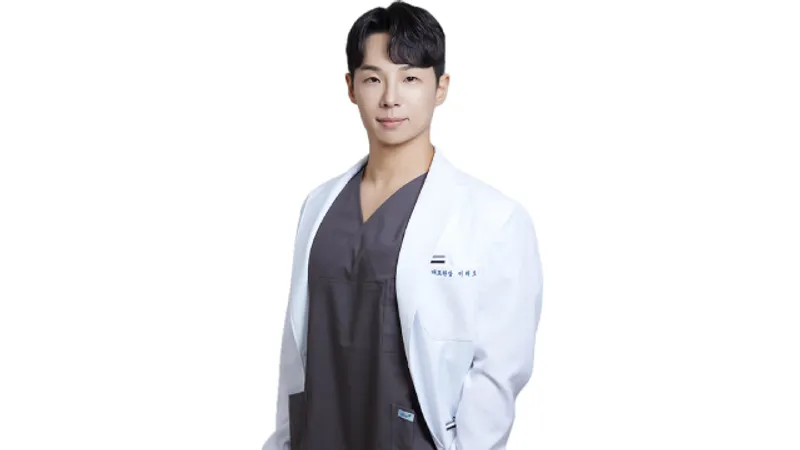
Dr. Chae-ho Lee
Medical Director at Doctorpetit Clinic Hongdae
Dr. Chae-ho Lee, Medical Director and the clinic's only physician, performs Titanium Lifting. Titanium is one of the lifting techniques listed among his subspecialties, together with Ultherapy PRIME and DENSITY. During the consultation he evaluates your facial structure, skin thickness, and elasticity, then sets the laser energy dose for your face. He previously served as a director at Lienjang Clinic Hongdae and Doctorpetit Clinic Gangnam and is a member of the Korean Society of Laser Dermatology & Hair. His stated aim is natural-looking change planned around each person rather than a fixed protocol.
Who Is a Good Candidate for Titanium Lifting?
Titanium Lifting may suit you if you have:
- Early to moderate facial laxity, especially around the jawline and cheeks.
- A softening jawline or mild facial volume loss.
- A dull complexion or uneven, darker skin tone you would like to brighten.
- A wish to tighten, lift, and brighten at the same time without downtime.
- A tight travel schedule that cannot accommodate needle marks or visible recovery.
Treatment may not be suitable, or should be postponed, if you have:
- Severe sagging that needs surgical correction or a deeper lifting approach.
- An active skin infection, inflammatory skin condition, or open wound on the face.
- Metallic implants in the facial treatment area.
- A current pregnancy.
- Underlying melasma, because laser heat can temporarily activate pigment; the doctor will weigh this at consultation.
What U.S. patients usually want from it
Visitors from the United States tend to choose Titanium Lifting for its quick, visible effect: skin often looks tighter and brighter as they leave, with no puncture marks and little discomfort. The outcomes the clinic describes are a sharper jawline, better elasticity, an overall tightened contour, and a clearer complexion. Results are individual, and a series usually gives a better effect than a single session.
When a different lifting device may fit better
Titanium Lifting is gentle by design, and that cuts both ways. If your main concern is pronounced sagging along the jaw or neck, a deeper approach such as focused ultrasound, or in severe cases surgery, is more likely to give the change you want. If your concerns are a dull complexion with only early loosening, the laser's combination of tightening and brightening may be the better match. Dr. Lee explains the trade-offs at the consultation and will tell you if he thinks another option suits your face better.
What to Expect: Procedure, Recovery, and Results Timeline
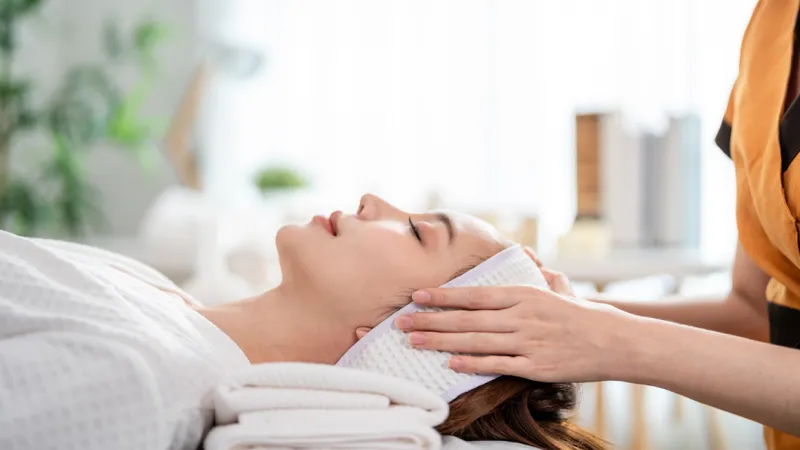
Before your appointment
Avoid tanning and heavy sun exposure, chemical peels, retinoid products, and aggressive physical or chemical exfoliation in the days before treatment. Keep your skin well hydrated. Let the care team know about any recent facial cosmetic procedures. If you take a medicine or supplement that may affect bruising or skin sensitivity, raise it with the doctor rather than stopping it on your own.
The session
- Consultation. Dr. Lee assesses your skin, contour, and lifting goals.
- Preparation. The skin is cleansed and prepared.
- Laser treatment. The triple-wavelength handpiece delivers controlled energy across the planned zones while the sapphire surface cools the skin.
- Tightening. Heat in several layers firms the tissue and starts collagen stimulation.
- Finishing. The treated area is gently soothed.
- Aftercare. You receive simple instructions to follow over the next couple of days.
A full-face session typically takes 20 to 30 minutes. Numbing cream is generally not required; if you are particularly sensitive, topical numbing can be used on request.
Recovery and results timeline
| When | What usually happens |
|---|---|
| Straight after | Instant contraction is often visible. Skincare and makeup can be applied, and daily activities resume immediately. |
| First few hours | Light redness, a warm sensation, mild swelling, slight dryness, or sensitivity usually fade within hours. |
| First couple of days | Use moisturizer and broad-spectrum sunscreen; avoid saunas and other intense heat. |
| 2–4 weeks | Collagen remodeling reaches its maximum effect. |
| 6–12 months | Results are generally maintained for about 6 to 12 months, varying by individual. |
The clinic recommends an average of three sessions spaced one to two months apart, adjusted for facial shape and skin condition. For a single session, a stay of 1 to 2 days in Seoul is usually enough. Flying the same day or within 24 hours may be possible after an uncomplicated treatment, but follow the doctor's advice on timing.
Aftercare once you are home
Keep using a hydrating moisturizer and daily sunscreen, and protect treated skin from strong sun while collagen remodeling continues. Contact the clinic by website or phone if you notice anything unexpected after returning to the U.S., and seek local medical care for any severe or worsening symptom.
Combining Titanium Lifting with Other Treatments
A laser can tighten and brighten, but it does not replace lost volume or relax expression lines. After assessment, Titanium Lifting is often combined with:
- Skin Boosters & Biostimulators — hyaluronic acid boosters to improve hydration and fine texture.
- Dermal Fillers — when volume loss is flattening the cheek or jawline.
- Botox Treatments — wrinkle-relaxing injections for lines driven by muscle movement.
The doctor decides which combinations make sense for your face and the time you have in Seoul.
Safety, Precision, and Clinic Standards
Doctorpetit Clinic Hongdae has held registration with the Ministry of Health and Welfare as a foreign-patient-attracting medical institution since January 2023. Each treatment begins with a 1:1 professional consultation with the Medical Director. The clinic uses a sapphire contact-cooling system to lower skin temperature during laser delivery and to reduce irritation and discomfort. The clinic states that its Titanium device is authentic equipment. English consultation and interpretation are available.
Known risks and side effects
The most common effects are mild flushing, a temporary warm feeling, minor dryness, or slight sensitivity, which usually subside within a few hours. Underlying melasma may become temporarily more active after laser heat. Fine vellus hair in treated areas can be unexpectedly reduced, which is not surprising given the platform's origins. Because any energy device heats tissue, incorrect settings or technique could potentially cause burns or other skin injury.
On safety, the published data come from hair removal use. In a retrospective study of 11 adults with Fitzpatrick skin types III to V treated with this simultaneous triple-wavelength laser, no adverse events were recorded across 27 treated sites (Journal of Drugs in Dermatology, PubMed). That is a small hair-removal cohort, not a lifting trial, so it supports the device's general tolerability rather than any tightening claim.
The Bottom Line
- Titanium Lifting is a laser treatment, not RF, that delivers 755, 810, and 1064 nm wavelengths simultaneously.
- It aims to tighten and brighten at the same time, with an instant contraction effect and collagen remodeling over 2 to 4 weeks.
- Sessions take about 20 to 30 minutes, usually without numbing, and there is no downtime.
- The clinic typically recommends about three sessions one to two months apart; results last around 6 to 12 months.
- Evidence specific to lifting with this device is limited, and people with melasma should discuss pigment risk first.
Frequently Asked Questions
Is Titanium Lifting a radiofrequency treatment?
No. It is a laser treatment that uses three wavelengths at the same time. That makes it different from RF devices such as Thermage or DENSITY, which heat tissue with electrical energy.
Does Titanium Lifting hurt?
Discomfort is minimal for most people because the sapphire surface cools the skin while the laser fires. Anesthetic cream is generally not needed, though topical numbing is available if you are sensitive.
How many sessions will I need?
Many people see an immediate effect after one session. For a fuller result, the clinic suggests an average of three treatments one to two months apart, depending on your facial shape and skin condition.
How does Titanium compare with Ultherapy?
Ultherapy uses focused ultrasound to reach deep fascia such as the SMAS, so it suits deeper laxity. Titanium Lifting works across several skin depths and adds brightening, so it suits early laxity combined with dull tone. Dr. Lee can recommend one, the other, or a sequence.
Can I wear makeup afterward?
Yes. There is no recovery downtime, so you can apply skincare or makeup and go back to your day right after the session. Some warmth or flushing may last a few hours.
Is it suitable if I have melasma?
Possibly, but it needs careful assessment. Laser heat can temporarily activate pigment in underlying melasma, so Dr. Lee will examine your skin and discuss whether Titanium Lifting or another option is the safer choice.
How long do Titanium Lifting results last?
The tightening and brightening effect is generally maintained for about 6 to 12 months, with individual variation. Collagen keeps remodeling for around 2 to 4 weeks after each session, and maintenance treatments are planned according to how your skin responds.
Will I be able to communicate in English?
Yes. English consultation interpretation is available, and Dr. Lee meets you personally before treatment to go through your goals and any questions.
Book a Consultation at Doctorpetit Clinic Hongdae
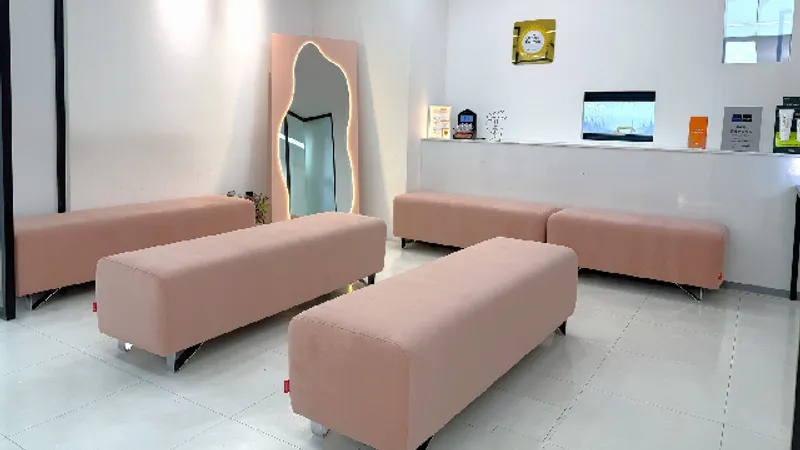
To find out whether Titanium Lifting in Seoul suits your skin and your schedule, start with an in-person assessment by Dr. Chae-ho Lee. The clinic sits right outside Hongik University Station Exit 1, on floor 8 of the Wookdo Building, 151 Yanghwa-ro, Mapo-gu, so it is easy to reach by subway. Request your appointment here, or see real patient results and what visitors have written.
Disclaimer
Treatment suitability, expected results, recovery time, risks, and potential side effects vary by individual. The information provided is for general informational purposes and does not replace an in-person medical consultation. Patients should discuss their medical history, treatment goals, and individual circumstances with a qualified medical professional before undergoing treatment.
Sources & Further Reading
Ready for Your Personalized Aesthetic Consultation in Hongdae?
Located right at Hongik Univ. Station Exit 1 (8F, 151 Yanghwa-ro, Mapo-gu). Multilingual coordinators for English, Traditional Chinese, and Simplified Chinese patients.