Hongik Univ. Station Exit 1 · 8F · 1:1 Personalized Aesthetic Dermatology
en-US

Whitening Iontophoresis — Face & Body
Iontophoresis facial in Seoul: a 20-minute vitamin ampoule treatment for dull-looking skin, performed by Dr. Chae-ho Lee at Doctorpetit Clinic Hongdae.
Personalized Consultation & Custom Quote

Whitening Iontophoresis (Face & Body) in Seoul

Medically reviewed by Dr. Chae-ho Lee, Medical Director, Doctorpetit Clinic Hongdae; Member, Korean Society of Clinical Aesthetic Medicine
Doctor profile · Doctorpetit Clinic Hongdae, Seoul
Whitening iontophoresis is an iontophoresis facial, also available for the body, that uses a device to help a vitamin ampoule move into the skin. As a skin brightening treatment in Seoul, it is aimed at a dull, tired-looking complexion and uneven-looking tone. At Doctorpetit Clinic Hongdae, a session takes about 20 minutes and is repeated weekly.
What Is Whitening Iontophoresis?
Whitening iontophoresis is a non-invasive vitamin infusion facial in which a selected vitamin ampoule is applied to the skin and an iontophoresis device is then used to assist its delivery.
- The ampoule: a vitamin ampoule chosen for brightening is applied to clean skin.
- The device: iontophoresis uses a mild, low-intensity electrical current to help charged molecules travel into the skin.
- The aim: a brighter, more even-looking complexion and less visible dullness.
- Face and body: the treatment is offered for facial skin and for areas of the body.
- No needles: nothing is injected and the skin surface is not broken.
Despite the name, the goal is to brighten a dull or tired-looking complexion. It is not designed to change your natural skin color.
Iontophoresis is a non-invasive transdermal delivery technique that uses a low-intensity electrical current to increase transport of charged molecules across the skin, according to a 2026 systematic review in Pharmaceuticals. That review included 21 clinical studies across several skin conditions, so the evidence base is real but modest. For cosmetic brightening specifically, the benefits described here are the clinic's description, and results vary.
How it differs from neighbouring treatments
- Versus a toning laser: a toning laser is an energy-based laser treatment under Laser & Skin Rejuvenation. Iontophoresis is a gentler infusion step, and the clinic suggests it as extra brightening support after toning.
- Versus skin scaling or peels: these remove dead skin and surface buildup. Iontophoresis focuses on delivering an ampoule rather than exfoliating.
- Versus CO₂ Aging Care: that treatment applies carbon dioxide to the skin and takes about 40 minutes. Iontophoresis uses a device and a vitamin ampoule and takes about 20 minutes.
Matching the treatment to your concern
Iontophoresis is one of several options, and the best choice depends on what bothers you most.
- General dullness or a tired-looking complexion: this is the main concern iontophoresis is aimed at.
- Distinct pigmentation such as melasma: the clinic also offers a Melasma Brightening Injection and toning lasers, which Dr. Lee may discuss instead of, or alongside, iontophoresis.
- Rough texture or congestion: scaling or a peel usually comes first.
- Redness or reactive skin: calming care such as sono, cryo, or LED treatment may be more suitable.
Who Performs Whitening Iontophoresis at Doctorpetit Clinic Hongdae

Dr. Chae-ho Lee
Medical Director at Doctorpetit Clinic Hongdae
The performing doctor for whitening iontophoresis is Dr. Chae-ho Lee, Medical Director and the only physician at Doctorpetit Clinic Hongdae. Skin care and facial treatments are among his listed core specializations. Because the clinic follows a one-on-one consultation principle, Dr. Lee reviews your skin, sensitivity, and goals before deciding whether iontophoresis is appropriate. The ampoule is chosen with your skin and any known sensitivities in mind. English interpretation is available.
Who Is a Good Candidate for Whitening Iontophoresis?
The clinic describes this treatment as suitable for people with dull-looking or darker-looking skin who want tone improvement. Good candidates include:
- Adults with a dull, tired-looking complexion.
- People with uneven-looking skin tone.
- Those with pigmentation concerns who want a brighter overall appearance.
- Patients who have had a toning laser and want additional brightening.
- People looking for a non-invasive option for the face or body.
Iontophoresis may not be suitable, or may need to wait, if you have:
- Active skin irritation.
- Damaged or broken skin, or open wounds.
- A skin infection in the treatment area.
- Significant inflammation.
- A significantly compromised skin barrier.
- A known sensitivity to the products used.
People with particularly sensitive skin should discuss suitability with Dr. Lee first. The final decision is made individually at consultation.
Questions to bring to your consultation
- Which ingredients the ampoule contains, and whether any have caused reactions for you before.
- Whether you have had a toning laser recently, or plan to, so the sequence can be agreed.
- Which areas you want treated: face, body, or both.
- Which active skin-care products you currently use, such as exfoliating acids.
- How many weekly sessions are realistic during your stay.
What to Expect: Procedure, Recovery, and Results Timeline
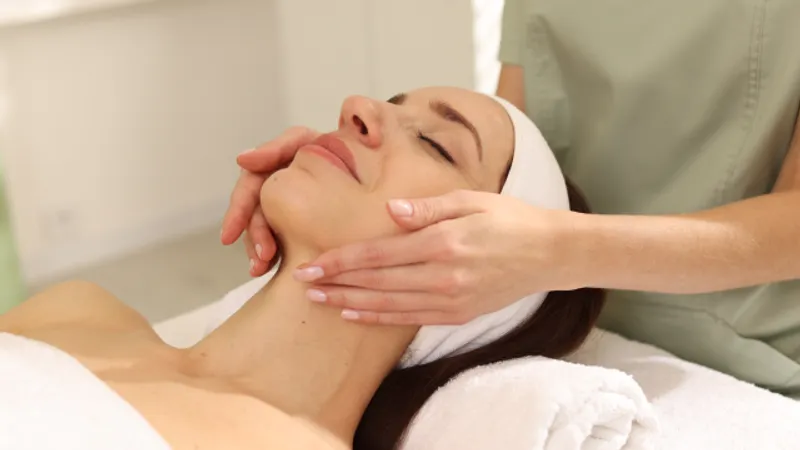
Before the session
Arrive with clean skin. Avoid harsh exfoliants, strong active skin-care products, and irritating treatments on the area beforehand. Tell the clinic about the products you use, any recent procedures, and known product sensitivities. Follow any specific instructions the clinic gives you.
Step by step
- Consultation: your skin condition, concerns, sensitivity, and goals are reviewed, together with the product ingredients.
- Preparation: the skin is prepared.
- Ampoule: the selected vitamin ampoule is applied.
- Iontophoresis: the device is used to assist delivery of the ampoule.
- Check and care: the skin is checked, and basic post-treatment care is provided.
Each treatment takes about 20 minutes. Anesthesia is not required. Most people find it low in discomfort, though mild sensations such as tingling can occur, depending on the device settings and how sensitive the skin is.
Recovery and results
| Time after treatment | What to expect |
|---|---|
| Same day | Normal activities can usually resume. Mild redness or tingling is possible. |
| Afterwards | Any dryness or slight irritation should be reported to the clinic if it persists. |
| First week | Moisturize, wear sunscreen outdoors, and avoid scrubs and peeling products for about one week. |
| Weekly | The clinic recommends continuing treatment at one-week intervals. |
| Over several sessions | Skin may appear brighter and more even-toned. |
Significant downtime is not expected. Results tend to become noticeable after several sessions rather than one. The effects are temporary, so periodic maintenance may be suggested, depending on your skin and lifestyle. There is no single final-result date; the outcome depends on skin type and how consistently treatment is continued.
Planning around your trip
A single session fits into a same-day clinic visit, and no overnight stay is needed for the procedure. As an outpatient treatment, a one- to two-day stay in Seoul may be sufficient. If you want several sessions, they should follow the weekly interval, so a longer stay or return visits are needed. Four weekly sessions, for example, span about three weeks. Follow the clinic's individual aftercare advice before you travel. The clinic opens at 10:30 daily, takes last registrations at 18:00 on weekdays and 15:00 at weekends, and closes on the last Sunday of each month.
Combining Whitening Iontophoresis with Other Treatments
The clinic indicates that iontophoresis may be used alongside toning laser treatments to add brightening support. Those lasers sit under Laser & Skin Rejuvenation, and the order and timing are planned at consultation. If you already plan a toning session during your trip, mention it when you book so both can be scheduled together. Within the facial category, the clinic's customizable skin-care packages also allow iontophoresis to be combined with other facials according to individual needs.
Safety, Precision, and Clinic Standards
- Doctorpetit Clinic Hongdae holds foreign-patient registration from Korea's Ministry of Health and Welfare.
- It has held that status since January 2023.
- Dr. Lee consults one-on-one with each patient before treatment.
- Product ingredients and relevant skin conditions are discussed before the ampoule is applied.
- Temporary mild redness, tingling, dryness, or irritation can occur.
- Product sensitivity is possible, which is why suitability is checked beforehand.
- The skin is checked after the device step, before basic post-treatment care is applied.
- Actively irritated, infected, or barrier-damaged skin is a reason to postpone.
What the wider evidence says about tolerability
Across the clinical studies it reviewed, iontophoresis was generally well tolerated, with adverse events limited to mild, reversible local reactions such as redness, tingling, burning, or brief irritation, according to the systematic review in Pharmaceuticals. No serious treatment-related adverse events were reported in that review.
Daily sun protection supports any brightening routine. Broad-spectrum sunscreen with SPF 30 or higher is recommended, according to the American Academy of Dermatology's sunscreen FAQs.
If irritation lasts or anything looks unusual, contact the clinic. After returning home, have persistent symptoms checked by a local medical professional as well.
The Bottom Line
- Whitening iontophoresis uses a device to help a vitamin ampoule into the skin of the face or body.
- It is aimed at dull, tired-looking skin and a brighter, more even-looking tone.
- Each session lasts about 20 minutes, with no anesthesia and little downtime.
- The clinic recommends weekly sessions, and results are temporary without maintenance.
- It can add brightening support after a toning laser.
- Published evidence on iontophoresis is modest, so the brightening benefits here reflect the clinic's description rather than a proven outcome.
Frequently Asked Questions
Does iontophoresis hurt?
It is generally a low-discomfort treatment. You may feel mild tingling, and the sensation depends on your skin's sensitivity and the settings used. No anesthesia is needed.
Will this lighten my natural skin color?
No. The aim is to improve the look of dullness and support a brighter, more radiant complexion. It is a brightening treatment for tired-looking skin, not a change of skin color.
How many sessions do I need?
The clinic recommends regular sessions at weekly intervals. Results usually become noticeable over several sessions and vary by skin type and consistency.
Can I combine it with a laser toning session?
Yes. The clinic suggests iontophoresis as additional brightening support alongside toning laser treatments. Dr. Lee decides the order and timing.
What are the common side effects?
Temporary mild redness, tingling, dryness, or slight irritation can occur. A reaction to the ampoule is possible, so mention any known product sensitivities.
What should I do after treatment?
Moisturize, use sunscreen whenever you go outdoors, and avoid scrubs and peeling products for about one week.
Can I travel straight after a session?
There is generally no procedure-related overnight stay. Follow the clinic's individual aftercare advice, and plan any further sessions around the weekly interval.
What if my skin reacts after I fly home?
Contact the clinic through its website or by phone. If redness or irritation persists, see a local medical professional too.
Book a Consultation at Doctorpetit Clinic Hongdae
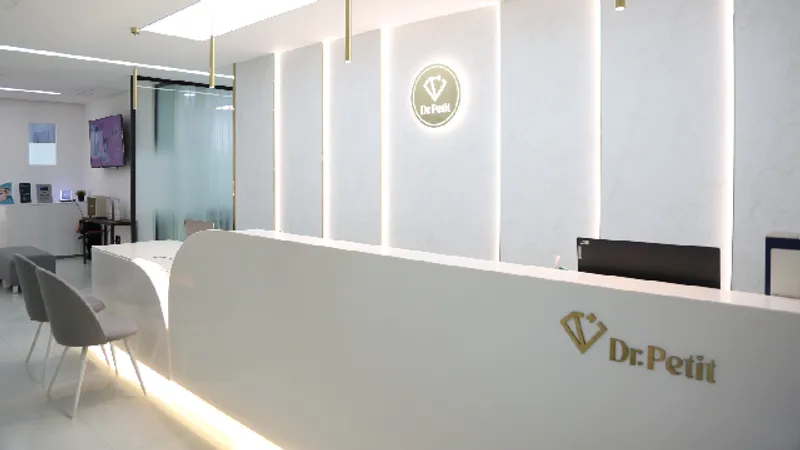
To ask whether whitening iontophoresis in Seoul is right for your skin, arrange a one-on-one consultation with Dr. Lee; English interpretation is available. You will find the clinic up on the 8th floor of the Wookdo Building, 151 Yanghwa-ro, Mapo-gu, with Hongik University Station's Exit 1 at the door. Request a consultation online or read patient reviews first.
Disclaimer
Treatment suitability, expected results, recovery time, risks, and potential side effects vary by individual. The information provided is for general informational purposes and does not replace an in-person medical consultation. Patients should discuss their medical history, treatment goals, and individual circumstances with a qualified medical professional before undergoing treatment.
Sources & Further Reading
Ready for Your Personalized Aesthetic Consultation in Hongdae?
Located right at Hongik Univ. Station Exit 1 (8F, 151 Yanghwa-ro, Mapo-gu). Multilingual coordinators for English, Traditional Chinese, and Simplified Chinese patients.