Hongik Univ. Station Exit 1 · 8F · 1:1 Personalized Aesthetic Dermatology
en-US

Laser & Skin Rejuvenation
Laser skin rejuvenation in Seoul: Pico Toning, IPL, Potenza, Action 2, Lagato 2 and tattoo removal, led by Dr. Chae-ho Lee at Doctorpetit Clinic Hongdae.

Laser & Skin Rejuvenation in Seoul
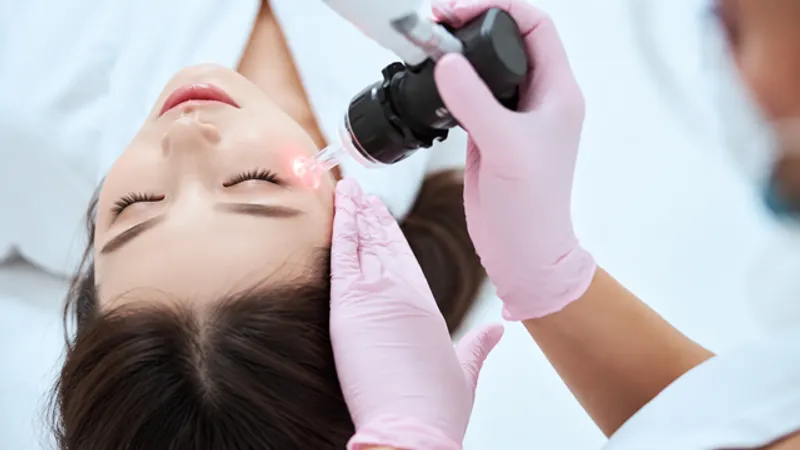
Medically reviewed by Dr. Chae-ho Lee, Medical Director, Doctorpetit Clinic Hongdae; Member, Korean Society of Laser Dermatology & Hair
Doctor profile · Doctorpetit Clinic Hongdae, Seoul
Laser skin rejuvenation in Seoul covers a group of energy-based treatments that use laser light, broadband light, or radiofrequency to address pigmentation, uneven tone, redness, enlarged pores, acne scars, and unwanted tattoos. At Doctorpetit Clinic Hongdae, the options are Pico Toning with PicoCare Majesty, IPL Photorejuvenation, Potenza RF microneedling, the Action 2 and Lagato 2 rejuvenation lasers, and laser tattoo removal. Each plan is matched to skin condition, texture, and color tone in a one-on-one consultation, with the aim of gradual, natural-looking improvement.
What Is Laser & Skin Rejuvenation?
Laser and skin rejuvenation is a category of aesthetic treatments that deliver controlled light or radiofrequency energy into the skin to improve the appearance of pigment, redness, texture, pores, and scarring.
- Different devices target different structures: laser toning and picosecond lasers aim at pigment, IPL uses a broad range of wavelengths for superficial pigment and redness, and RF microneedling heats the deeper dermis through fine needles.
- Picosecond lasers break pigment apart mainly through a photomechanical effect with less heat spreading into neighboring tissue than older nanosecond devices, as described in a Mayo Clinic case report on picosecond laser treatment of complex pigmentary disorders.
- Potenza inserts fine needles into the dermis and delivers RF energy to promote collagen regeneration while limiting damage to the outer skin layer.
- Many treatments in this category work cumulatively, so a series of sessions is common, and maintenance may be needed because pigment and texture concerns can return over time.
- Downtime ranges from none for most toning and light treatments to a few days of redness after more intensive procedures.
No single device suits every concern. Superficial sun spots, deeper pigment, flushing, atrophic acne scars, and tattoo ink each respond to a different wavelength, pulse length, or depth, which is why the clinic lists several technologies rather than one.
Who Performs Laser & Skin Rejuvenation at Doctorpetit Clinic Hongdae

**Dr. Chae-ho Lee, Medical Director **
Dr. Chae-ho Lee, Medical Director and the only physician at Doctorpetit Clinic Hongdae, assesses every laser patient and designs the treatment plan. Laser and skin rejuvenation is one of his stated core specializations, and the techniques he lists within it are Pico Toning, IPL, POTENZA, Action 2, and Lagato. He is a member of the Korean Society of Laser Dermatology & Hair and of the Korean Society of Aesthetic Plastic Laser Medicine. His earlier roles include director positions at Lienjang Clinic Hongdae and at Doctorpetit Clinic Gangnam. Because the same doctor reads your skin, chooses the device and settings, and reviews how your skin responded at the next visit, decisions about wavelength or needle tip stay with one clinician from start to finish.
Laser & Skin Rejuvenation Options Available
The clinic offers five services in this specialty. They differ in the energy used, the concern they target best, and how many visits a typical course involves.
| Service | Energy type | Main concerns | Session time | Typical course (varies by skin) |
|---|---|---|---|---|
| Pico Toning / Majesty | 250-picosecond laser | Pigmentation, tone, pores, skin renewal, some scars | About 5–10 minutes | Every 1–2 weeks; 5–10 or more sessions |
| IPL Photorejuvenation | Multi-wavelength intense pulsed light | Superficial pigmentation, redness, uneven tone | About 5–10 minutes | Every 3–4 weeks; 3–5 or more sessions |
| Potenza | Radiofrequency delivered by microneedles | Pores, acne scars, texture, redness/flushing, fine lines, elasticity | About 15–30 minutes | At least 3 sessions generally recommended |
| Action 2 & Lagato 2 | Rejuvenation lasers | Pigmentation, dullness, pores, uneven texture | About 10–30 minutes | 3–5 or more sessions spaced several weeks apart |
| Tattoo Removal | Laser | Unwanted tattoo pigment | Varies by tattoo | Multiple sessions; some cases need 9–10 or more |
Pico Toning / Majesty
Pico Toning at the clinic uses PicoCare Majesty, a 250-picosecond laser system with 1064 nm and 532 nm wavelengths plus 595 nm and 660 nm options and seven handpieces. It is used for pigmentation, skin renewal, pore improvement, and scar-related concerns. The clinic compares it directly with conventional laser toning: the much faster pulse is intended to reduce damage to surrounding tissue and discomfort while targeting pigment. A session takes about 5–10 minutes, and patients return to daily activities immediately. Beyond general pigment and tone, Pico Toning may be considered for sun damage, certain types of melasma, and selected redness-related concerns. Pigment can look slightly darker for a short time before it improves, so progress is judged across the course rather than after one visit.
IPL Photorejuvenation
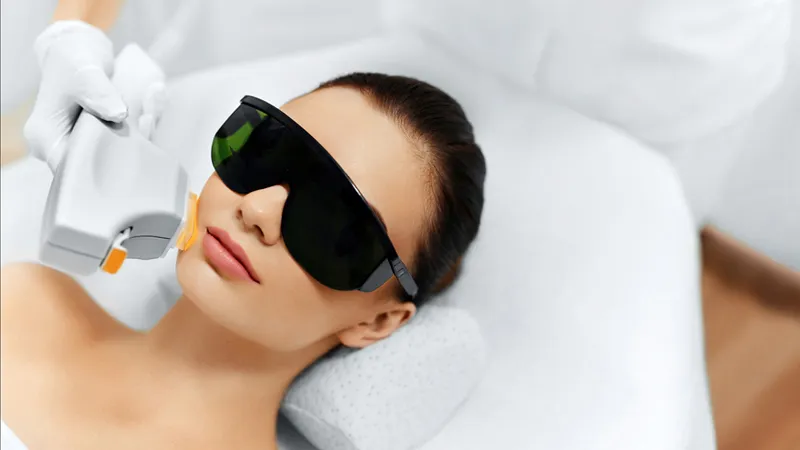
IPL emits multiple wavelength ranges of light rather than a single laser wavelength. The clinic describes it as particularly useful for superficial pigmentation and for improving facial redness. Laser toning, by contrast, uses two wavelengths and may be chosen for deeper, dermal pigment. Small scabs or flakes can appear within 2–3 days after IPL and shed naturally over the following days; they should not be picked.
Potenza
Potenza is a radiofrequency microneedling device. Fine needles carry RF energy to a controlled depth in the dermis, stimulating collagen while sparing most of the skin surface. The clinic selects from different microneedle tips according to whether the main concern is pores, acne scars, active acne, redness and flushing, fine lines, or elasticity. Anesthetic cream and local anesthesia are used. Depending on the concern and how much downtime you can accept, alternatives include conventional microneedling, non-needle RF, fractional laser, and chemical peels. Fractional RF microneedling has a growing evidence base for acne scarring: a systematic review of 16 studies with 481 patients concluded that the treatment is likely effective, with mostly mild, short-lived side effects, while calling for more controlled trials (Systematic review, PMC).
Action 2 & Lagato 2
The clinic lists Lutronic Action 2 and Alma Lagato 2 as its general skin-rejuvenation lasers. They are used for pigmentation, dullness, visible pores, uneven texture, and overall skin appearance, and the clinic's stated benefits include skin renewal and improvement of pigmentation and scars. Topical numbing may or may not be needed, depending on treatment intensity and personal sensitivity. Improvement is usually gradual and cumulative over a series of sessions. Downtime is typically minimal, and mild redness or sensitivity usually settles within a few days, so a stay of around 1–3 days is generally enough for a single session.
Tattoo Removal
Laser tattoo removal fades ink gradually over multiple sessions. How many sessions are needed depends on the tattoo's colors, ink density, pigment depth, and the technique used to apply it. The clinic notes that visible improvement commonly begins around the fifth session, and some tattoos need 9–10 or more treatments for a more pronounced change. A laser cannot safely break down every layer of tattoo ink in one session, and the body itself removes the shattered ink particles between visits, as the American Academy of Dermatology explains. Some red inks may temporarily appear black during treatment.
Who Is a Good Candidate for Laser & Skin Rejuvenation?

The right candidate depends on the specific concern and the device chosen. An in-person assessment comes first.
People who may be suitable include:
- Adults with pigmentation, freckles, sun-related spots, or an uneven skin tone.
- People with facial redness or flushing.
- Adults with enlarged pores, acne scars, or uneven skin texture.
- People noticing fine lines or reduced skin elasticity who prefer a non-surgical option.
- Adults with dullness who want overall skin renewal.
- Anyone with an unwanted tattoo who accepts that fading is gradual rather than immediate.
- Patients who can follow sun protection and aftercare instructions between sessions.
Treatment may need to be postponed or avoided for:
- Skin that is actively infected, inflamed, irritated, or sunburned.
- Recent tanning or significant photosensitivity, particularly before IPL.
- Open wounds or skin that has not fully healed.
- Certain uncontrolled medical conditions that increase treatment risk.
- Pregnancy, breastfeeding, implanted electronic devices, bleeding disorders, or certain medications, which should be discussed before Potenza.
- A history of abnormal scarring or pigmentation, which needs to be raised at consultation.
Skin tone also matters. Lasers can be used on all skin types, but darker skin is more prone to burns and dark marks after laser treatment, according to the American Academy of Dermatology, which advises choosing a clinician with experience treating darker skin. This post-inflammatory hyperpigmentation risk is one reason wavelength, energy, and session spacing are set individually rather than from a fixed menu.
What to Expect: Procedure, Recovery, and Results Timeline
Before treatment
Avoid excessive sun exposure and tanning in the weeks before your appointment. Tell the doctor about your medications, skin conditions, allergies, and previous procedures. Mention any past abnormal scarring or unusual pigment changes. Arrive with clean skin unless you are told otherwise. Follow any instructions about pausing exfoliating or irritating skincare products.
The procedure, step by step
- Consultation: Dr. Lee examines your skin condition, texture, and color tone and discusses your goals.
- Preparation: the treatment area is cleansed, and protective eyewear is provided for laser and light treatments.
- Comfort: numbing cream is used when needed; Potenza uses anesthetic cream and local anesthesia.
- Treatment: the chosen laser, light, or RF energy is applied to the targeted areas.
- Soothing: the treated skin is cooled or calmed.
- Aftercare: you receive sun-protection and home-care instructions, and later sessions are scheduled if a series is planned.
Recovery and results timeline
| Time after treatment | What usually happens |
|---|---|
| Same day | Return to daily activities is possible after Pico Toning, IPL, and most rejuvenation laser sessions. Mild warmth or redness may be present. |
| Days 1–3 | Redness, swelling, or sensitivity after Potenza generally eases over the following days. Gradual improvement after Potenza can begin around 2–3 days. |
| Days 2–3 | Small scabs or flakes may form after IPL; let them fall off naturally. |
| Several days to a few weeks | Treated pigment may temporarily darken before fading. Some tone improvement after IPL may become visible. |
| Weeks to months | Collagen-related changes after Potenza and resurfacing lasers continue to develop. Further sessions build on earlier ones. |
| Across a course | Pico Toning is repeated every 1–2 weeks and IPL every 3–4 weeks. Tattoo improvement is usually noticed from around the fifth session. |
Aftercare
Use gentle skincare and keep the skin moisturized. Protect treated skin from the sun with sunscreen and covering clothing. Avoid excessive heat, vigorous exercise, picking, and irritating active ingredients until the skin settles, especially after Potenza. After tattoo removal, follow the wound-care instructions you are given. The AAD advises protecting skin treated for tattoo removal from the sun for 3 months. Contact the clinic promptly if you notice severe pain, blistering, worsening swelling, or unusual skin changes. If something looks wrong after you have returned home, you can reach the clinic through its website or by phone.
Combining Laser & Skin Rejuvenation with Other Treatments
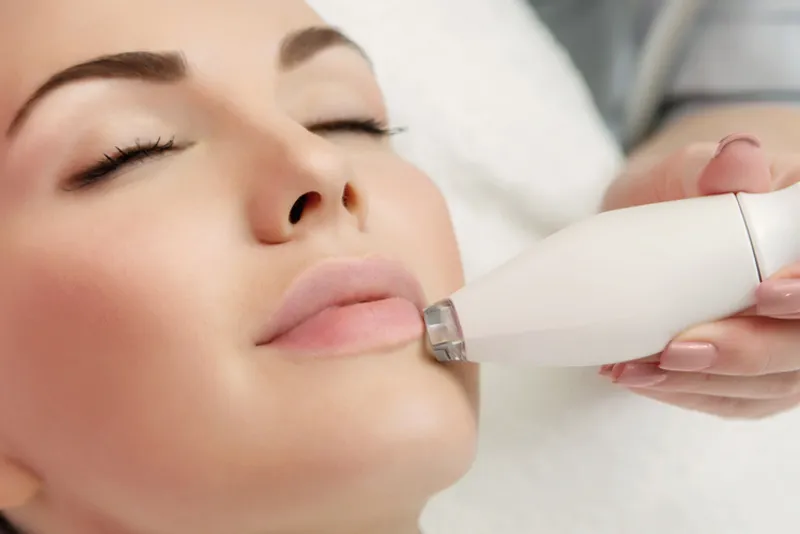
Many people have more than one concern at once, such as pigment together with enlarged pores. The clinic organizes dedicated pigmentation packages and pore & scar packages around these combined concerns. Any combination is decided after skin assessment, not applied to every patient.
- IPL with laser toning — the clinic states the two may sometimes be performed together, depending on skin condition, because they reach pigment at different depths.
- Tattoo removal with scar treatment — when a tattoo already has raised scarring, scar treatment may be performed alongside removal to address both concerns.
- Skin Boosters & Biostimulators — an alternative or partner approach when hydration or skin quality is the main issue.
- Non-Surgical Lifting — for laxity and sagging, which pigment and resurfacing lasers do not target on their own.
- Skin Care & Facial Treatments — gentler procedures that may suit patients whose primary concern is surface texture.
Safety, Precision, and Clinic Standards
- Each laser course starts with a one-on-one consultation weighing skin condition, texture, and color tone.
- Korea's Ministry of Health and Welfare lists the clinic as a medical institution for attracting foreign patients, a status dating from January 2023.
- That status falls under the Medical Overseas Expansion and Foreign Patients Attraction Act.
- Doctorpetit Clinic Hongdae operates under business registration No. 250-54-00398.
- Dr. Chae-ho Lee is the clinic's only physician.
- The laser platforms the clinic names are PicoCare Majesty, Potenza, Lutronic Action 2, and Alma Lagato 2, alongside IPL.
- Potenza needle tips are selected according to the concern being treated.
Known risks
Temporary redness, warmth, swelling, sensitivity, dryness, or mild peeling are the most common reactions after laser and light treatments. Pigmented spots can darken briefly before fading. More significant complications vary with the device, intensity, and skin type and can include prolonged redness, pigment changes, burns, blistering, infection, scarring, or delayed healing. Potenza can leave small pinpoint marks and may cause a temporary acne flare. In tattoo removal, existing raised scars increase the possibility of further scarring. Light or dark spots after laser tattoo removal tend to disappear within 6 to 12 months, according to the AAD's tattoo removal guidance.
The Bottom Line
- Laser and skin rejuvenation uses laser, light, or RF energy to improve pigment, redness, pores, texture, scars, and tattoos.
- Doctorpetit Clinic Hongdae offers Pico Toning, IPL, Potenza, Action 2 and Lagato 2, and tattoo removal, all planned by Dr. Chae-ho Lee.
- Most toning and light sessions take minutes and allow an immediate return to daily life.
- Results build over a series of sessions, and tattoo removal in particular needs multiple treatments.
- Darker skin carries a higher risk of post-inflammatory pigment changes, so device and energy choices are individualized.
Frequently Asked Questions
Is Pico Toning or IPL better for dark spots?
It depends on how deep the pigment sits. The clinic describes IPL as particularly useful for superficial pigmentation and redness, while laser toning may be used for deeper, dermal pigment. Sometimes the two are combined, and the choice is made after your skin is examined.
Does laser skin treatment hurt?
Sensation varies by device. IPL usually feels like brief warmth or snapping. For laser toning in general, numbing cream is not routinely required. Potenza involves needles and RF heat, so anesthetic cream and local anesthesia are used.
How many days should I stay in Seoul?
A single Pico Toning, IPL, or rejuvenation laser session can usually fit into a short stay because downtime is minimal. A course of several sessions needs either a longer stay or return visits. For Potenza, allow time for temporary redness and confirm your itinerary with the clinic.
When can I fly home after treatment?
After non-ablative toning and light treatments, flying is often possible soon afterward if there are no complications. After Potenza or more intensive procedures, there is no universal waiting period, so confirm timing with the doctor based on how your skin responds.
Is laser treatment safe for darker skin tones?
Lasers can treat all skin types, but darker skin is more prone to burns and post-inflammatory dark marks. Tell the doctor about your skin's history of pigment changes so energy levels and wavelengths can be chosen conservatively. Sun avoidance before and after treatment also lowers risk.
How many sessions will my tattoo need?
Tattoo removal always takes multiple sessions. The clinic notes improvement is commonly noticed around the fifth session, and some tattoos need 9–10 or more, depending on color, density, ink depth, and how the tattoo was applied. You do not need to remain in Korea for the whole course.
Can I combine laser treatments in one trip?
Combinations are possible when your skin condition allows, and the clinic offers pigmentation and pore & scar packages for patients with overlapping concerns. Which treatments are paired, and in what order, is decided at your consultation.
Book a Consultation at Doctorpetit Clinic Hongdae
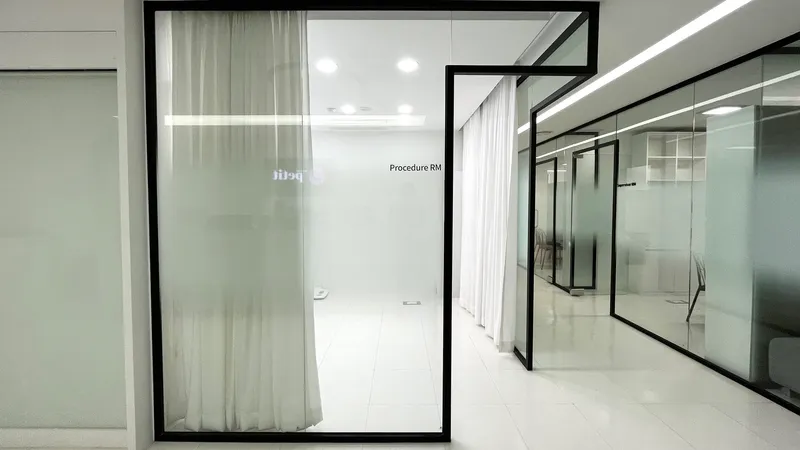
To find out which laser skin rejuvenation option in Seoul fits your pigment, pores, scars, or tattoo, start with a personal assessment by Dr. Chae-ho Lee, who will explain the device, number of sessions, and recovery he recommends before anything is scheduled. Interpretation and consultation in English can be arranged. The clinic sits directly outside Hongik University Station Exit 1, on the 8th floor of the Wookdo Building at 151 Yanghwa-ro, Mapo-gu. Request your appointment here, and browse before-and-after results or what other patients say while you plan your visit.
Disclaimer
Treatment suitability, expected results, recovery time, risks, and potential side effects vary by individual. The information provided is for general informational purposes and does not replace an in-person medical consultation. Patients should discuss their medical history, treatment goals, and individual circumstances with a qualified medical professional before undergoing treatment.
Sources & Further Reading
Ready for Your Personalized Aesthetic Consultation in Hongdae?
Located right at Hongik Univ. Station Exit 1 (8F, 151 Yanghwa-ro, Mapo-gu). Multilingual coordinators for English, Traditional Chinese, and Simplified Chinese patients.