Hongik Univ. Station Exit 1 · 8F · 1:1 Personalized Aesthetic Dermatology
en-US

Skin Boosters & Biostimulators
Skin boosters in Seoul at Doctorpetit Clinic Hongdae: Rejuran, hyaluronic acid, exosome and melasma injections, planned 1:1 by Dr. Chae-ho Lee.

Skin Boosters & Biostimulators in Seoul

Medically reviewed by Dr. Chae-ho Lee, Medical Director, Doctorpetit Clinic Hongdae; Member, Korean Society of Clinical Aesthetic Medicine
Doctor profile · Doctorpetit Clinic Hongdae, Seoul
Skin boosters in Seoul are small-volume injections placed into the skin to improve its quality — hydration, smoothness, elasticity, and texture — rather than to change the shape of the face. Biostimulators belong to the same family but work more slowly, by encouraging the skin to build more collagen over time. At Doctorpetit Clinic Hongdae, steps from Hongik University Station Exit 1, the four injectable options in this category range from salmon-DNA Rejuran to a pigment-focused brightening injection, and each plan starts with a one-on-one consultation with the Medical Director.
What Is Skin Booster Treatment?
Skin booster treatment is a minimally invasive injectable approach, including biostimulators, that targets the quality of the skin itself — its moisture, firmness, texture, and collagen — instead of adding visible volume or lifting tissue.
- Skin boosters mainly aim to improve hydration, smoothness, elasticity, and overall texture.
- Biostimulators aim to prompt the skin to produce more collagen gradually, so their effect builds over weeks rather than appearing at once.
- The product chosen determines which areas can be treated; depending on the product, this may include the face, cheeks, neck, décolletage, or hands.
- Numbing cream or local anesthetic may be used, depending on the booster and the area.
- Injections are placed at many small points, which is why tiny raised marks (an "embossing" effect) can be visible for a few days afterward.
The category is easy to confuse with dermal filler. A filler is designed to add volume or shape a contour. A skin booster works within the skin to improve how it looks and feels, so it is chosen when the main concern is dryness, dullness, fine lines, or loss of elasticity rather than hollowness or structure.
International patients often ask which skin booster is "best." There is no single answer: the right product depends on whether the main goal is hydration, repair after sensitizing treatments, collagen support, or a more even tone. That distinction is what the four options below are organized around.
Who Performs Skin Booster Treatments at Doctorpetit Clinic Hongdae
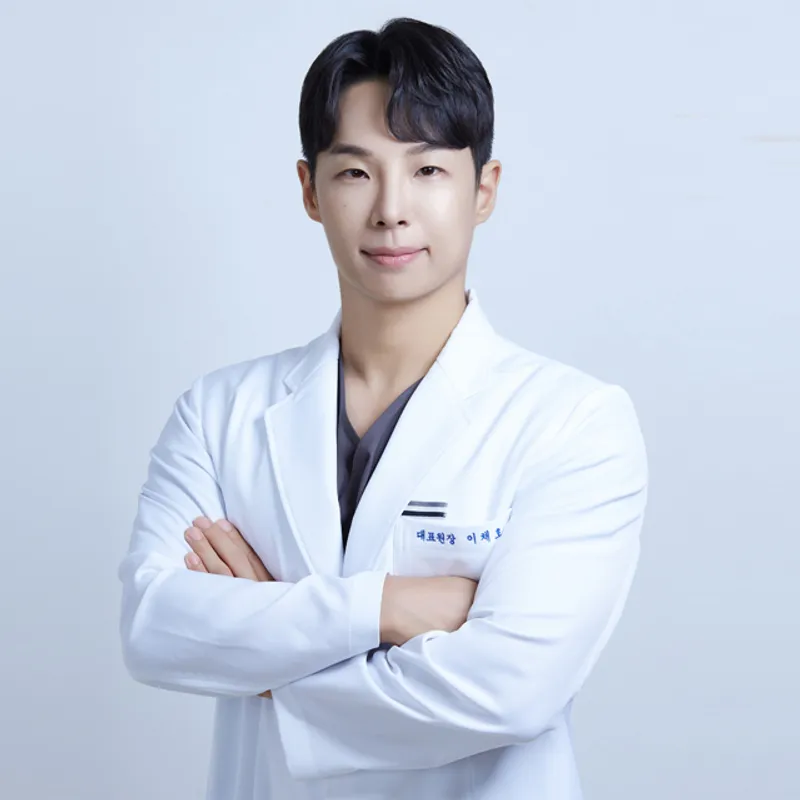
Dr. Chae-ho Lee, Medical Director
Skin boosters and biostimulators are one of the stated core specializations of Dr. Chae-ho Lee, the Medical Director of Doctorpetit Clinic Hongdae and the only physician on its team. His listed subspecialty techniques within this area are Rejuran and hyaluronic-acid/collagen skin boosters. He is a member of the Korean Society of Clinical Aesthetic Medicine and previously served as a director at Lienjang Clinic Hongdae and at Doctorpetit Clinic Gangnam.
Because he is the sole physician, the doctor who reviews your skin condition, previous treatments, and medications is also the one who selects the product and places each injection. His approach centers on natural-looking change and a plan built for the individual patient rather than a fixed package. You can read more on his profile page.
Skin Booster Options Available
Doctorpetit Clinic Hongdae offers four services in this category. They overlap in technique — all are fine injections into the skin — but differ in ingredient, goal, and session schedule.
| Service | Main goal | Procedure time | Recommended course | When change usually shows |
|---|---|---|---|---|
| Rejuran Injection (Salmon DNA / PN) | Skin repair, elasticity, fine wrinkles, texture | About 15–30 minutes, depending on dosage | 3 sessions at 2–3-week intervals; maintenance every 2–3 months | Within about 1 week to 1 month; lasts about 3–6 months |
| Hyaluronic Acid & Collagen Skin Boosters | Hydration, elasticity, dryness, early signs of aging | About 15–30 minutes | Monthly treatment recommended | About 1 week after the first session |
| P198 Exosome Healer / Exosome Skin Booster | Overall skin quality and texture; problem-prone skin | About 15–30 minutes, depending on combined procedures | At least 3 sessions at 3–4-week intervals | Gradual change over 2–4 weeks per session |
| Melasma Brightening Injection | Pigmentation, uneven tone, dullness | Short outpatient injection | 5–10 sessions at 1–2-week intervals | Develops progressively over the course |
Individual results vary for every option, and the course may be adjusted after the consultation.
Rejuran Injection (Salmon DNA / PN)
Rejuran is a skin-regeneration injection containing polynucleotide (PN) derived from salmon DNA. The clinic describes it as supporting the skin's self-repair, strengthening elasticity, reducing wrinkles, and refining texture, and it can be used on the forehead, around the eyes, on the cheeks, and on the chin. Two variants are named: Rejuran HB, which additionally focuses on hydration and volume, and Rejuran Eye, designed for the thin, sensitive skin around the eyes. It may suit people whose skin has become sensitive after laser treatments or has lost firmness with age. Anesthetic cream and local anesthesia are used.
Polynucleotides as a category have a growing but still modest evidence base. A 2024 systematic review of polynucleotides in aesthetic medicine identified nine studies of low to moderate quality covering 219 patients, reported promising results for wrinkles, texture, and elasticity with mostly mild, short-lived side effects, and concluded that rigorous, higher-quality studies are still needed (Systematic review, PMC).
Hyaluronic Acid & Collagen Skin Boosters
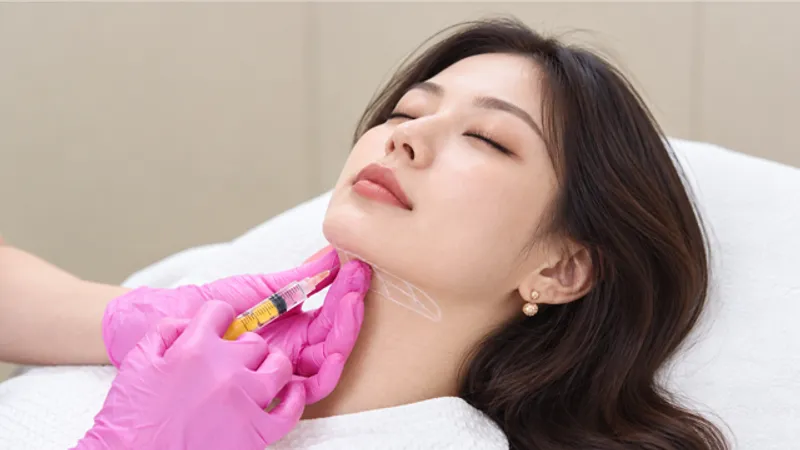
This option uses hyaluronic acid as a main ingredient, sometimes described as a "water-glow" injection, alongside collagen-based boosters. The goal is to help the skin hold moisture and elasticity and to improve dryness, loss of elasticity, and early signs of aging. Anesthetic cream is applied beforehand. Results generally appear about one week after the first treatment, and monthly treatment is recommended. Ask which product is planned during your consultation.
Injectable hyaluronic acid for skin quality has been studied more extensively than most boosters. A 2023 systematic review of 13 clinical studies concluded that evidence for injectable hyaluronic acid alone in improving facial skin hydration, firmness, texture, radiance, and elasticity is promising, with a favorable safety profile and high patient satisfaction (Systematic review, PMC).
P198 Exosome Healer / Exosome Skin Booster
P198 Exosome Healer is described by the clinic as a fifth-generation skin booster containing exosomes extracted from stem-cell culture fluid, delivered as microparticles intended for deep penetration and high absorption. The clinic states that it promotes collagen synthesis and may help problem skin, such as acne-prone or atopic skin, through anti-inflammatory and antibacterial effects. It may be combined with other skin-rejuvenation treatments, such as laser treatments, microneedling, or other boosters, when the skin condition calls for it.
Patients should know that independent clinical evidence for cosmetic exosome injections is limited, and this page does not cite any study as proof that they work. In the United States, the FDA regulates exosome products and states that there are currently no FDA-approved exosome products (FDA consumer alert). That statement concerns the U.S. regulatory category as a whole, not a specific product; questions about the product used here are best raised directly with Dr. Lee.
Melasma Brightening Injection
The Melasma Brightening Injection is intended to inhibit melanin production and brighten skin tone. The clinic also states that it may support elasticity and regeneration through collagen synthesis, soothe irritation, and provide antioxidant action. It is aimed at people with epidermal or mixed melasma for whom laser treatment was ineffective, people whose skin has become sensitive after frequent laser procedures, people with post-inflammatory hyperpigmentation (PIH), and people who want to improve a dull, uneven tone. Satisfactory results can usually be achieved with 5 to 10 consistent sessions at 1–2-week intervals, although individual responses differ.
Evidence specific to brightening injections is limited, and the clinic does not publish the formulation, so no external study is offered here for its effectiveness. For melasma in general, the American Academy of Dermatology notes that there is no one best treatment, that sun protection is central because sunlight drives the skin to make more pigment, and that results with a treatment plan usually take 3 to 12 months (AAD — Melasma treatment). Melasma also tends to come back, so any injection course works best as one part of a longer plan.
Who Is a Good Candidate for Skin Boosters?
Suitability depends on overall health, skin condition, goals, and the specific product. The consultation decides whether an injectable is appropriate at all.
People who may be considered include:
- Adults with dry or dehydrated skin, reduced elasticity, fine lines, or uneven texture.
- Adults with early signs of skin aging who expect gradual rather than dramatic improvement.
- People with dull or mildly aging skin who want better skin quality without surgery.
- People whose skin has become sensitive after repeated laser treatments, or has lost firmness with age (a typical Rejuran profile).
- Adults with problem-prone skin seeking an overall improvement in texture and quality (a typical exosome profile).
- People with epidermal or mixed melasma that has not responded well to laser, people with PIH, and people with a dull, uneven tone (Melasma Brightening Injection).
Treatment may be unsuitable, or may need to wait, for:
- People with allergies or sensitivities to the product's ingredients.
- People with an active skin infection or inflammation at the treatment site.
- People with uncontrolled medical conditions.
- People who are pregnant or breastfeeding, who may be advised to postpone.
- Anyone with another condition identified during the consultation that raises the risk of injection.
Matching the concern to the product is the real decision. Volume loss or sagging is usually better addressed by other categories, and the doctor will say so if a booster is unlikely to meet your goal.
What to Expect: Procedure, Recovery, and Results Timeline
Before treatment
Share your medical history, current medications and supplements, allergies, previous aesthetic treatments, and any skin conditions with the doctor. For pigmentation treatment, also mention earlier melasma or laser treatments. You may be advised to avoid alcohol, smoking, strong sun exposure, and irritating skincare before the visit, and to arrive with clean skin. Do not stop a prescribed medication, including a blood thinner, unless the prescribing doctor and Dr. Lee have agreed on it.
How a session runs
- Consultation: Dr. Lee reviews your skin, history, and goals and confirms the product.
- Preparation: the skin is cleansed and the injection points are marked.
- Numbing: Rejuran and hyaluronic acid boosters use anesthetic cream (Rejuran also local anesthesia); for other boosters, comfort measures are decided at consultation.
- Injection: the booster is delivered in small amounts across the planned area.
- Finish: the skin is gently cleaned and checked.
- Aftercare: you receive written post-treatment instructions.
Including preparation, many visits take about 30–60 minutes, while the injection itself is often 15–30 minutes. It is an outpatient procedure.
Recovery and results timeline
| Time after treatment | What is typical |
|---|---|
| Same day | Daily activities can usually resume immediately. |
| Days 0–3 | Mild redness, pinpoint bruising, swelling, or tenderness is common; small raised injection marks may be visible. |
| Days 1–3 | Small raised marks at the injection points are expected; the clinic describes this embossing effect over about 2–3 days. |
| About 1 week | Hyaluronic acid boosters typically begin to show results; Rejuran changes may start to appear. |
| Weeks 2–4 | Skin-quality improvement becomes more noticeable for most options. |
| Over the course | Rejuran, exosome, and melasma treatments build over several sessions; biostimulator-type effects develop gradually. |
Aftercare
Keep the area clean and avoid rubbing, massaging, or pressing on it unless the doctor instructs otherwise. Follow the clinic's guidance on skincare, makeup, exercise, heat, and alcohol for the advised period. Gentle skincare and sun protection are recommended, and sun protection matters most after pigmentation treatment. Contact the clinic promptly if anything unexpected develops, including after you return home.
Planning a trip
Many boosters are completed in a single visit, so a short stay of around 2–3 days in Korea is often enough for treatment and an initial check. Multi-session courses, such as three Rejuran sessions or a melasma series, need either a longer stay or several trips, so it helps to discuss the schedule before booking flights.
Combining Skin Boosters with Other Treatments
The clinic describes two combinations within this specialty, and any combination is planned after assessment.
- Laser & Skin Rejuvenation — the exosome booster may be combined with laser treatments, and melasma injections may be combined with laser or topical skincare for pigmentation.
The clinic also accepts international patients looking for non-surgical correction after unsatisfactory treatment elsewhere; each case is reviewed in person.
Safety, Precision, and Clinic Standards
- Korea's Ministry of Health and Welfare lists Doctorpetit Clinic Hongdae as a foreign-patient-attracting medical institution.
- The clinic has held this status since January 2023.
- Foreign-patient registration of this kind is made under Korea's Medical Overseas Expansion and Foreign Patients Attraction Act.
- For verification, the clinic's business registration is No. 250-54-00398.
- Products used are, in the clinic's words, certified genuine products applied according to the indicated dosage.
- Every plan follows a 1:1 consultation that considers individual skin condition and elasticity.
- The Medical Director performs the injections himself.
- English consultation and interpretation are available.
Known risks
Common short-term effects are redness, swelling, tenderness, bruising, itching, and small bumps or raised marks at injection points. Less common risks include infection, prolonged swelling or inflammation, allergic or inflammatory reactions, lumps, and uneven results. With pigmentation treatment, melasma can persist or recur. Serious complications are rare but depend on the product and technique.
Seek medical attention promptly for severe or worsening pain, significant changes in skin color, increasing swelling, signs of infection, or any change in vision.
The Bottom Line
- Skin boosters and biostimulators improve skin quality — hydration, texture, elasticity, collagen — rather than facial shape or volume.
- Doctorpetit Clinic Hongdae offers four options: Rejuran, hyaluronic acid and collagen boosters, P198 Exosome Healer, and Melasma Brightening Injection.
- Evidence is strongest for injectable hyaluronic acid, emerging for polynucleotides, and limited for exosome and brightening injections.
- Most patients resume normal activity the same day, but several options are designed as multi-session courses.
- Dr. Chae-ho Lee, the clinic's only physician, assesses, plans, and injects every case.
Frequently Asked Questions
Which skin booster should I choose?
It depends on your main concern. Hyaluronic acid boosters target hydration and elasticity, Rejuran targets repair and fine wrinkles, the exosome booster targets overall quality in problem-prone skin, and the brightening injection targets pigment. Dr. Lee recommends a product after examining your skin.
What is the difference between Rejuran and other skin boosters?
Rejuran's active ingredient is polynucleotide from salmon DNA, chosen for skin repair and elasticity, while hyaluronic acid boosters work mainly by attracting and holding moisture. The clinic offers Rejuran, Rejuran HB, and Rejuran Eye. Ask at your consultation about any other brand you have seen online, since only the products named on this page are listed by the clinic.
Do skin booster injections hurt?
Expect brief stinging or pinching at each point. Rejuran and hyaluronic acid boosters are done with anesthetic cream, and Rejuran also uses local anesthesia. Sensitivity differs from person to person and by area.
How long will the small bumps last?
Small raised marks at the injection points are expected, and the clinic describes this embossing effect over about 2–3 days. Mild redness or pinpoint bruising for 1–3 days is common. Makeup and skincare timing are covered in your aftercare instructions.
How many sessions will I need?
Rejuran is recommended as three sessions 2–3 weeks apart, the exosome booster as at least three sessions 3–4 weeks apart, and the melasma injection as 5–10 sessions 1–2 weeks apart. Hyaluronic acid boosters are recommended monthly. Your plan may differ after assessment.
Is there good evidence for exosome skin boosters?
Independent clinical evidence is limited, so results cannot be predicted from research alone. The U.S. FDA has not approved any exosome product. Discuss your expectations and questions about the product openly with the doctor before deciding.
Can I fly home soon after a skin booster?
Because recovery is usually short, many patients can travel soon after treatment once any immediate swelling has settled. For hyaluronic acid boosters, flying within 24–48 hours is generally possible when no significant swelling, bleeding, or other concern is present.
Will a brightening injection remove my melasma?
It is designed to reduce melanin production and even out tone, but melasma is a recurring condition and responses vary. Daily sun protection remains essential, and the injection may be combined with laser or topical care.
Book a Consultation at Doctorpetit Clinic Hongdae
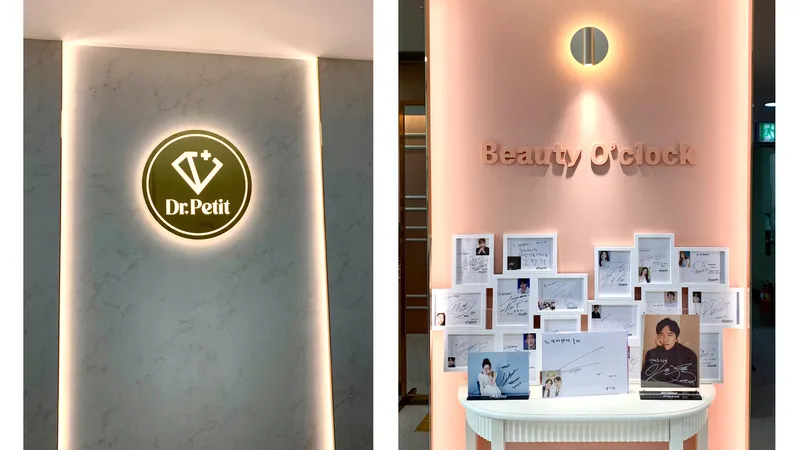
To find out which skin booster in Seoul fits your skin, begin with a private consultation with Dr. Chae-ho Lee, who will match the product and session plan to your goals and travel dates. The clinic is located on the 8th floor of the Wookdo Building, 151 Yanghwa-ro, Mapo-gu, right outside Hongik University Station Exit 1, and English interpretation is available. Send a booking request, browse before-and-after results, or see what past patients say in customer reviews.
Disclaimer
Treatment suitability, expected results, recovery time, risks, and potential side effects vary by individual. The information provided is for general informational purposes and does not replace an in-person medical consultation. Patients should discuss their medical history, treatment goals, and individual circumstances with a qualified medical professional before undergoing treatment.
Sources & Further Reading
Ready for Your Personalized Aesthetic Consultation in Hongdae?
Located right at Hongik Univ. Station Exit 1 (8F, 151 Yanghwa-ro, Mapo-gu). Multilingual coordinators for English, Traditional Chinese, and Simplified Chinese patients.