Hongik Univ. Station Exit 1 · 8F · 1:1 Personalized Aesthetic Dermatology
en-US

Skin Care & Facial Treatments
Medical facials in Seoul at Doctorpetit Clinic Hongdae: peels, scaling, LDM, cryo and LED care, chosen at a 1:1 consultation with Dr. Chae-ho Lee in Hongdae.

Skin Care & Facial Treatments in Seoul

Medically reviewed by Dr. Chae-ho Lee, Medical Director, Doctorpetit Clinic Hongdae; Member, Korean Society of Clinical Aesthetic Medicine
Doctor profile · Doctorpetit Clinic Hongdae, Seoul
A medical facial in Seoul is a non-surgical, in-clinic skin treatment that targets a specific concern such as rough texture, congestion, dullness, redness, or acne-related problems, rather than a general relaxation facial. At Doctorpetit Clinic Hongdae, nine facial treatments are available, from skin scaling and Aqua or LHALA peels to LDM ultrasound, cryo cooling, and LED light. Which one suits your skin is decided after a skin assessment, and most sessions take about 20 to 40 minutes with little downtime.
What Is a Medical Facial?
A medical facial is a non-invasive clinic treatment that uses exfoliating solutions, ultrasound, radiofrequency, cooling, carbon dioxide, a mild current, or LED light to address a defined skin concern.
- Exfoliating treatments, such as scaling and peels, remove dead skin cells, excess sebum, and surface buildup from the outer skin.
- Energy-based treatments deliver ultrasound, radiofrequency warmth, or cold to the skin to calm, hydrate, or support firmness.
- Infusion treatments, such as iontophoresis, use a device to help a vitamin ampoule move into the skin.
- Light-based care uses LED wavelengths that do not heat or damage the skin.
- General anesthesia is not used; most of these treatments need no numbing at all.
Facials here are planned as a course rather than a one-off event, with recommended intervals that range from weekly to every one to two weeks depending on the treatment. Facials are not a substitute for lasers, injectables, or lifting devices when the concern is deeper, such as marked laxity or established scarring, and part of the consultation is deciding whether a facial is the right tool at all.
Who Performs Skin Care & Facial Treatments at Doctorpetit Clinic Hongdae
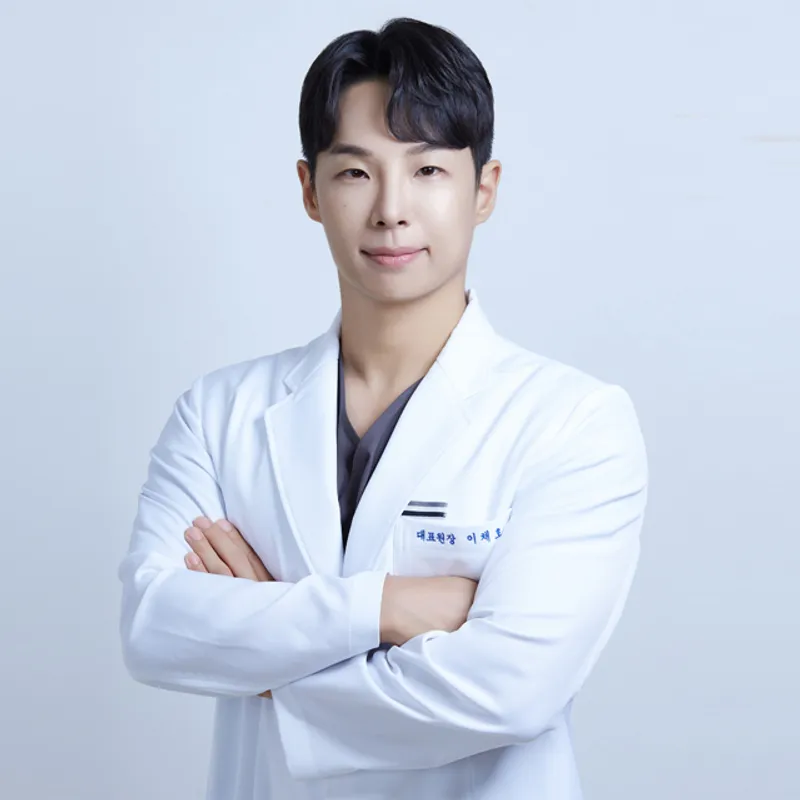
Dr. Chae-ho Lee, Medical Director
Dr. Chae-ho Lee, the Medical Director and the clinic's only physician, lists skin care and facial treatments among his core specializations. His stated subspecialty techniques in this area are LDM, LHALA Peel, and Cryo skin care. The clinic follows a one-on-one consultation principle with the Medical Director, so the decision about which facial suits your skin, and at what intensity, rests with him. He is the performing doctor named for this specialty. Before coming to Hongdae, Dr. Lee was a director at Lienjang Clinic Hongdae and at Doctorpetit Clinic Gangnam.
Medical Facial Options Available
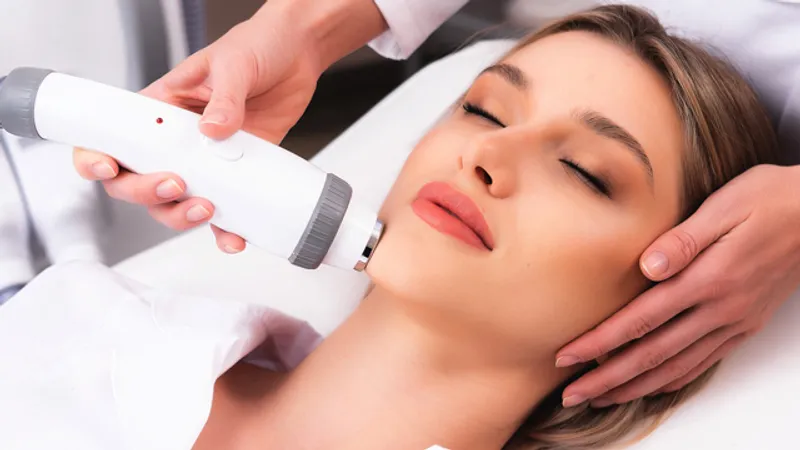
Nine facial services sit in this category. They fall into four broad groups: exfoliation, energy-based care, infusion, and light.
| Service | Main approach | Best suited to | Session time | Recommended interval |
|---|---|---|---|---|
| Skin Scaling | Removes dead skin cells and excess sebum | Oily skin, rough texture, clogged-looking pores | About 20 min | Every 1–2 weeks, 3+ sessions |
| Chemical & Hydrating Peels (Aqua / LHALA / Black / Aladdin) | Exfoliating solution; Aqua Peel adds hyaluronic-acid hydration | Whiteheads, blackheads, excess oil, uneven texture | Aqua about 30 min; LHA-based about 40 min | Every 1–2 weeks, multiple sessions |
| CO₂ Aging Care (Face & Body) | Carbon dioxide applied to the skin | Dull or dark-looking skin, oil–moisture imbalance | About 40 min | Every 1–2 weeks, at least 3 sessions |
| Whitening Iontophoresis (Face & Body) | Device-assisted vitamin ampoule delivery | Dull tone; extra brightening after toning laser | About 20 min | Weekly |
| sono Skin Care | Ultrasound with customized modes | Dehydrated, sensitive, or flushed skin | About 20 min | Weekly |
| High-Frequency (RF) Skin Care | Radiofrequency warming of skin tissue | Mild laxity, fine lines, uneven texture | About 20 min | Set by treatment plan |
| Cryo Skin Care | Below-freezing cooling device | Sensitive or red skin; heat after laser or injections | About 20 min | Weekly |
| LDM Ultrasound Therapy | High-density ultrasonic energy | Gentle lifting, redness, uneven tone, dry or sensitive skin | About 40 min | Weekly |
| LED Regeneration Therapy | Red, blue, yellow, and near-infrared LED | Sensitive skin, acne, redness | About 20 min | Weekly |
Skin Scaling
Skin scaling gently removes old dead skin cells and excess sebum from the surface. The clinic describes it as helping skin texture, the look of pores, brightness, acne concerns, and pigmentation. Temporary redness or a short-lived breakout can follow and generally settles.
Chemical & Hydrating Peels (Aqua / LHALA / Black / Aladdin Peel)
These peels use a controlled exfoliating solution to lift away the outer layer of dead skin. Aqua Peeling combines AHA and BHA solutions with hyaluronic-acid hydration, and the clinic links it with improvement in clogged pores, whiteheads, blackheads, and sebum. The LHA-based LHALA peel is one of Dr. Lee's named subspecialty techniques; Black Peel and Aladdin Peel are also offered, and the right peel is chosen according to oiliness, sensitivity, and current irritation. Chemical peels in general can address acne, dull complexion, rough-feeling skin, and discoloration, and lighter "refreshing" peels often need a series of about 3 to 5 treatments, according to the American Academy of Dermatology.
CO₂ Aging Care — Face & Body
CO₂ Aging Care applies carbon dioxide to the skin, with sodium carbonate and citric-acid components forming part of the described mechanism, to support circulation and oxygen supply. The clinic associates it with tone, elasticity, hydration, pore care, and exfoliation, and describes skin as looking fresher and more hydrated straight after treatment. It can be used on the face or body, but it is not recommended for skin with atopic dermatitis or other dermatitis.
Whitening Iontophoresis — Face & Body
An iontophoresis device helps a vitamin ampoule move into the skin to brighten a dull or tired-looking complexion. It is often chosen as an extra brightening step after a toning laser. Results tend to build over several weekly sessions and are temporary, so periodic maintenance may be needed.
sono Skin Care
sono Skin Care is an ultrasound-based treatment whose mode is customized to the skin's main concern. It is aimed at skin that feels dehydrated underneath and at sensitive skin with redness or flushing that needs calming. Ultrasonic energy is used to gently cleanse and care for the skin, with settings adjusted to its condition, and the clinic describes the goal as a more supple, healthy-looking complexion.
High-Frequency (RF) Skin Care
This treatment uses radiofrequency energy to warm targeted skin tissue and may help firmness, texture, and the appearance of mild laxity or fine lines. It is a gentle option rather than a lifting procedure; collagen-related changes, where they occur, develop over weeks to months. People with certain implanted electronic devices or implanted metal, or who are pregnant, need individual assessment first. For comparison, ultrasound tightening uses a different energy source, and a surgical facelift is the more invasive route for significant laxity.
Cryo Skin Care
Cryo Skin Care uses a device at below-freezing temperatures to soothe, hydrate, and support skin elasticity. It suits sensitive or visibly red skin and can be used after laser or injection treatments to reduce heat and discomfort. The clinic states it can be performed together with skin boosters to support product penetration.
LDM Ultrasound Therapy
LDM delivers high-density ultrasonic energy in a mode chosen for the skin's condition, with the stated aims of supporting the skin's own defenses, natural regeneration, and elasticity. It is recommended for people who want a gentle lifting effect or who have redness, uneven tone, or sensitive or dry skin. LDM is one of Dr. Lee's named subspecialty techniques.
LED Regeneration Therapy
LED Regeneration Therapy is a non-thermal treatment that uses red, blue, yellow, and near-infrared wavelengths, with the mode selected according to skin type. The clinic describes it as supporting collagen and elastin, cell regeneration, and relief of inflammation, and as suitable for all skin types. Blue, red, and blue-plus-red light devices can treat pimples but are not effective against blackheads, whiteheads, cysts, or nodules, and most people need a series of sessions, according to the American Academy of Dermatology.
Who Is a Good Candidate for Medical Facials?
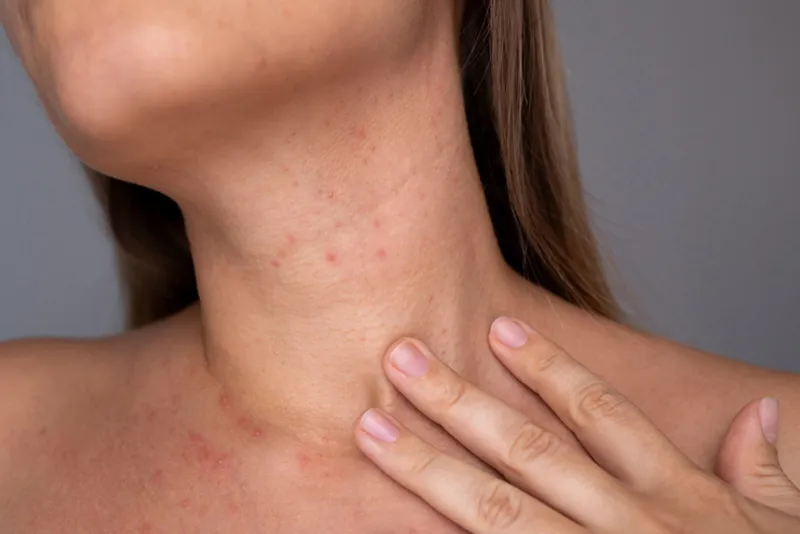
Facial treatments are generally suitable for adults who want to improve a specific skin concern. Likely candidates include:
- Adults with congestion, clogged-looking pores, whiteheads, or blackheads.
- People with excess sebum or an imbalance between oil and moisture.
- Those with rough or uneven texture or a buildup of dead skin.
- People with a dull, dark-looking, or uneven skin tone.
- Adults with acne-prone skin or acne-related concerns.
- People with sensitive skin, redness, or flushing who want calming care.
- Those whose skin feels dehydrated or dry.
- Adults with mild laxity or early signs of skin aging who want a gentle option.
- Patients looking to soothe heat and discomfort after a laser or injection treatment.
Treatment may need to be postponed or avoided for:
- Active skin infection in the treatment area.
- Open wounds or significant irritation or inflammation.
- An impaired skin barrier.
- Atopic dermatitis or other dermatitis (specifically for CO₂ Aging Care).
- Certain implanted electronic devices, implanted metal, or pregnancy (assessed individually for RF).
- Marked cold sensitivity or impaired sensation (for Cryo Skin Care).
- Known sensitivity to the products used, such as the ampoule in iontophoresis.
What to Expect: Procedure, Recovery, and Results Timeline
Before your session
Arrive with clean skin. Avoid aggressive exfoliation, scrubs, and newly introduced irritating products in the days before treatment. Tell the clinic about allergies, medications, sensitive or irritated skin, and any recent cosmetic procedure. Mention recent sunburn, because burned or broken skin may mean postponing.
The session
- Consultation: your skin type, sensitivity, pigmentation, acne, oil production, texture, and goals are reviewed.
- Preparation: the skin is cleansed.
- Treatment: the selected peel, device, cooling, ampoule, or light is applied, with intensity or mode matched to your skin.
- Soothing: the skin is checked, calmed, and moisturized.
- Aftercare: you receive instructions for the following week.
Comfort measures or topical numbing may be considered only where a particular treatment calls for it. Most patients describe these treatments as gentle. Mild warmth, tingling, light pressure, or a fizzing sensation can occur depending on the treatment.
Timeline
| Time after treatment | What usually happens |
|---|---|
| Same day | Daily activities can usually resume; skin may look smoother or brighter. Mild redness or warmth is possible. |
| First few days | Any redness, sensitivity, or dryness generally settles. A short-lived breakout can occur after exfoliating treatments. |
| First week | Moisturize, use sunscreen outdoors, and skip scrubs and peeling products for about a week. |
| Weeks 1–2 | The next session is usually due, weekly or every 1–2 weeks depending on the treatment. |
| After 3 or more sessions | Continued improvement in texture, hydration, and glow is typically assessed. |
Results vary with skin type and condition and are maintained by ongoing care rather than a single visit. Effects such as brightening are temporary, so periodic maintenance sessions may be suggested depending on your skin and lifestyle.
Planning around a trip
An extended stay is generally not needed for these treatments, and the clinic states that patients can fly home soon after a session. For a single facial, a stay of one to two days in Seoul is usually enough; if you plan several skin treatments, around two to three days gives more room. If you want a course of sessions, plan around the weekly or one-to-two-week interval, or discuss a schedule that fits your time in Seoul.
Combining Medical Facials with Other Treatments
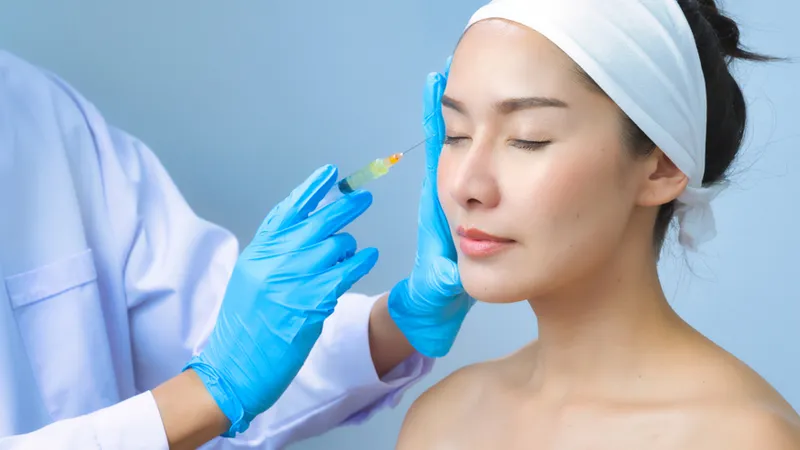
Facials are often layered with other care, and the clinic offers acne-care and customizable skin-care packages. The sequence is set after assessment.
- Skin Boosters & Biostimulators — Cryo Skin Care can be performed together with skin boosters.
- Laser & Skin Rejuvenation — Whitening Iontophoresis can add brightening after a toning laser, and cryo cooling can ease heat and discomfort after laser treatment.
- Non-Surgical Lifting — RF skin care is a gentle firming option; more marked laxity is usually a question for ultrasound-based or other lifting devices.
Within this category, scaling, peels, iontophoresis, LDM, cryo, and LED care can also be combined in one plan according to individual needs.
Safety, Precision, and Clinic Standards
- Doctorpetit Clinic Hongdae has held Ministry of Health and Welfare registration to attract foreign patients since January 2023.
- That status was granted under the Medical Overseas Expansion and Foreign Patients Attraction Act.
- Its Korean business registration number is 250-54-00398.
- Every treatment plan starts with a one-on-one consultation that considers individual skin condition and elasticity.
- Peel and device intensity is adjusted to skin type and current irritation.
- Aqua Peeling uses AHA and BHA solutions with hyaluronic-acid hydration.
- English consultation and interpretation are available.
Chemical peel safety
Chemical peels have more than 50 years of dermatologic use with an excellent safety record, according to the American Academy of Dermatology. The same source notes that peel results depend largely on the skill of the person performing them. It also advises that people with skin of color can have peels safely when treated by someone experienced with darker skin tones, since pigment problems can otherwise develop.
Known risks
Temporary redness, irritation, dryness, sensitivity, and short-lived breakouts are the most common reactions across this category. Peels can also cause peeling and temporary pigment change. RF treatments involve controlled heat, so excessive energy can cause burns or pigment change. Excessive cold can injure the skin, which is why cryo intensity is matched to the individual. CO₂ Aging Care can occasionally cause swelling, bruising, or tenderness, and rare complications include prolonged irritation, discoloration, infection, or delayed healing. Persistent or unusual symptoms should be assessed by a medical professional.
The Bottom Line
- Medical facials are non-surgical clinic treatments aimed at a defined concern such as congestion, dullness, redness, or texture.
- Doctorpetit Clinic Hongdae offers nine options, from scaling and Aqua or LHALA peels to LDM, cryo, and LED care.
- Sessions run about 20 to 40 minutes and generally involve little downtime.
- Results build with a series of sessions at weekly or one-to-two-week intervals.
- The treatment, and its intensity, is chosen after a one-on-one skin assessment.
Frequently Asked Questions
Is a medical facial painful?
Most facial treatments are gentle, with little to no pain. Depending on the treatment, you may notice mild warmth, tingling, light pressure, or a fizzing feeling during CO₂ care. Anesthesia is generally not required.
How long does a session take?
Most take about 20 minutes, including scaling, iontophoresis, sono, RF, cryo, and LED care. Aqua Peel takes about 30 minutes, while LHA-based peels, CO₂ Aging Care, and LDM take about 40 minutes.
Which facial is best for sensitive or red skin?
Cryo Skin Care, sono Skin Care, LDM, and LED Regeneration Therapy are all aimed at calming sensitive skin or redness. The choice depends on whether hydration, cooling, or regeneration is the main goal, which is assessed in person.
Can I fly home right after a facial?
These treatments generally involve little downtime, and the clinic states that patients can usually fly home after their session. If a peel or RF treatment leaves noticeable irritation, check timing with the clinic first.
How many sessions will I need?
Some patients see smoother or brighter skin after one visit. For continued improvement, the clinic recommends a series, such as three or more sessions at one-to-two-week intervals for scaling and peels, or weekly sessions for LDM, cryo, sono, LED, and iontophoresis.
What if something looks wrong after I return home?
Contact the clinic through its website or by phone and describe what you are seeing. Persistent redness, swelling, or unusual symptoms should also be checked by a local medical professional.
What should I avoid after treatment?
Keep the skin moisturized and wear sunscreen outdoors. Avoid scrubs and peeling products for about one week. After RF, also avoid excessive heat until the skin has settled.
Can a facial be added to a laser or injection visit?
Yes, in some cases. Cryo cooling can ease heat after laser or injections, cryo can be paired with skin boosters, and iontophoresis can follow a toning laser. The order and timing are planned at consultation.
Book a Consultation at Doctorpetit Clinic Hongdae
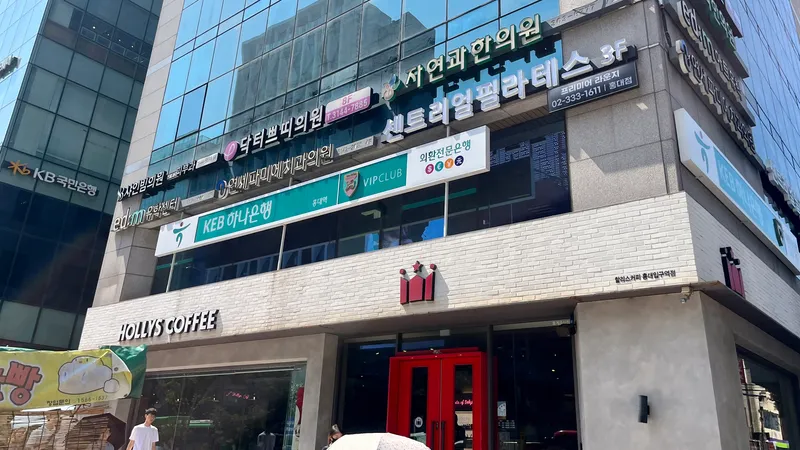
To find out which medical facial in Seoul fits your skin and your travel dates, start with a one-on-one skin assessment at the Hongdae clinic, with English interpretation available. You will find it on the 8th floor of the Wookdo Building at 151 Yanghwa-ro, Mapo-gu, a few steps from Hongik University Station Exit 1. Request an appointment here; you can also browse before-and-after photos and customer reviews beforehand.
Disclaimer
Treatment suitability, expected results, recovery time, risks, and potential side effects vary by individual. The information provided is for general informational purposes and does not replace an in-person medical consultation. Patients should discuss their medical history, treatment goals, and individual circumstances with a qualified medical professional before undergoing treatment.
Sources & Further Reading
Ready for Your Personalized Aesthetic Consultation in Hongdae?
Located right at Hongik Univ. Station Exit 1 (8F, 151 Yanghwa-ro, Mapo-gu). Multilingual coordinators for English, Traditional Chinese, and Simplified Chinese patients.